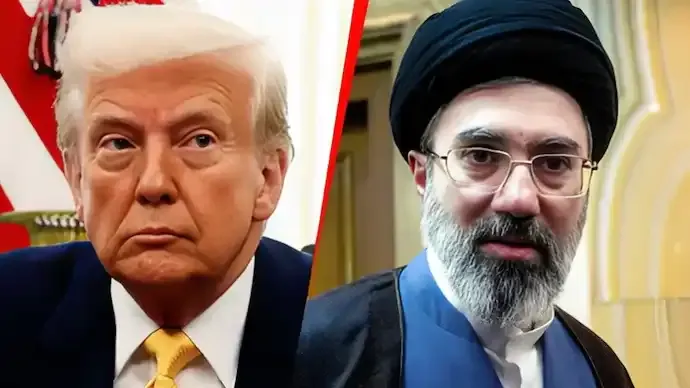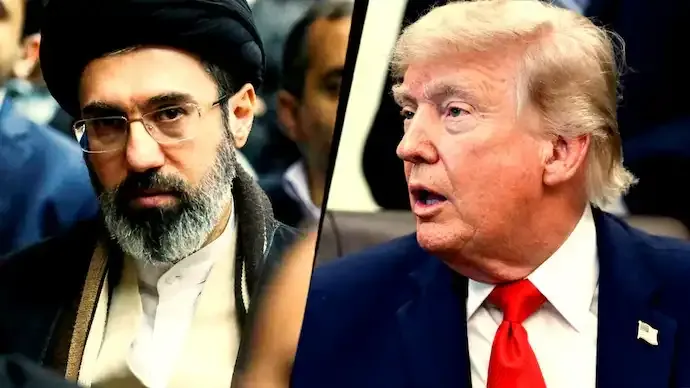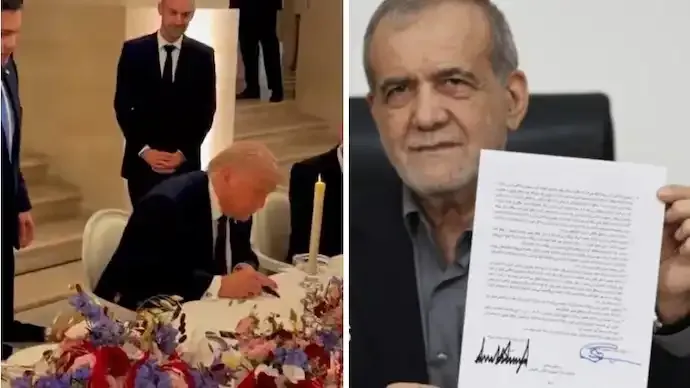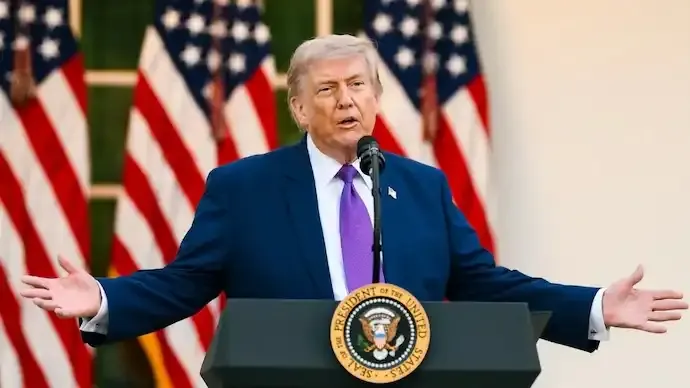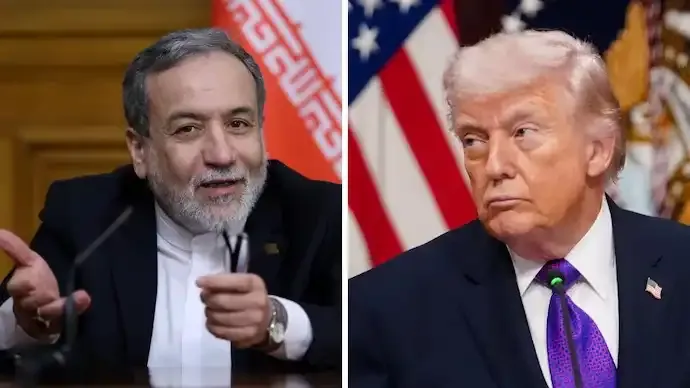
US President Donald Trump has linked the future of peace with Iran to what he described as "respect" between the two sides, as signs of stability begin to emerge following the recent Iran-Israel conflict.
The remarks came as commercial shipping activity resumed through the Strait of Hormuz, one of the world's most strategically important maritime routes. The recovery in tanker traffic has helped ease concerns in global energy markets, contributing to a decline in oil prices toward levels seen before the conflict escalated.
Trump Signals Optimism on Iran Peace Efforts
Speaking after the apparent easing of tensions, Trump expressed optimism about maintaining peace and restoring stability in the region.
He indicated that long-term progress would depend on mutual respect and cooperation, while emphasizing the importance of keeping critical energy routes open. The comments suggest that diplomatic efforts are increasingly shifting from military concerns toward economic recovery and regional stability.
The statement comes at a time when international observers are closely monitoring whether the fragile calm can be sustained in the weeks ahead.
Strait of Hormuz Shipping Activity Returns
One of the most significant developments following the ceasefire has been the gradual return of shipping traffic through the Strait of Hormuz.
The waterway serves as a crucial passage connecting the Persian Gulf to global markets and is responsible for transporting a substantial share of the world's oil exports.
Why the Strait of Hormuz Matters
The Strait of Hormuz is considered one of the most important maritime chokepoints in the world because:
- A large portion of global oil exports passes through it.
- It connects major Gulf energy producers to international markets.
- Disruptions can affect fuel prices worldwide.
- It plays a critical role in global energy security.
Any instability in the region often triggers immediate reactions from shipping companies, governments, and financial markets.
Oil Markets Respond Positively
As concerns about disruptions in oil supplies eased, global energy markets responded with cautious optimism.
Oil prices moved closer to levels recorded before the conflict, reflecting growing confidence among traders that shipping routes will remain operational and energy supplies will continue flowing normally.
Factors Supporting Lower Oil Prices
Several developments have contributed to easing market concerns:
- Improved security conditions in the Gulf region
- Resumption of tanker movements
- Reduced fears of supply disruptions
- Diplomatic efforts aimed at maintaining stability
- Expectations of continued energy exports
While markets remain sensitive to developments in the Middle East, recent trends indicate improving investor confidence.
From Conflict to Navigation Talks
With active hostilities appearing to subside, attention is now shifting toward practical issues such as maritime safety and freedom of navigation.
Regional and international stakeholders are expected to focus on:
- Securing shipping routes
- Preventing future disruptions
- Maintaining trade flows
- Supporting diplomatic communication
- Reducing regional tensions
These discussions are considered critical for sustaining economic stability and preventing renewed uncertainty in global markets.
What the Iran-Israel Conflict Meant for Global Markets
The recent conflict generated significant concern across financial and energy markets.
Investors worried that prolonged instability could:
- Interrupt oil supplies
- Increase shipping costs
- Raise fuel prices globally
- Disrupt international trade
- Slow economic growth
As a result, the easing of tensions has been welcomed by governments, businesses, and investors around the world.
Can the Peace Hold?
While shipping activity and market conditions have improved, analysts continue to caution that long-term stability will depend on continued diplomatic engagement.
Several factors will influence the durability of the current calm:
- Ongoing communication between stakeholders
- Security arrangements in the Gulf region
- Economic cooperation
- Maritime safety measures
- Broader regional political developments
Any breakdown in these efforts could quickly reignite uncertainty.
Impact on Global Energy Security
The Strait of Hormuz remains central to global energy security. Even short-term disruptions can have widespread consequences for economies dependent on imported oil and gas.
The resumption of normal shipping operations is therefore viewed as an important step toward restoring confidence in global supply chains and stabilizing energy markets.
For major oil-importing nations, continued stability in the region remains a top priority.
What Happens Next?
Diplomatic efforts are expected to continue as regional powers and international partners seek to strengthen the ceasefire and prevent future escalation.
At the same time, shipping operators and energy companies will closely monitor conditions in the Gulf to ensure the uninterrupted movement of goods and resources.
The coming weeks may prove crucial in determining whether the current improvement evolves into a lasting period of stability.
Conclusion
Donald Trump's remarks linking peace with Iran to mutual respect come at a time when signs of recovery are emerging across the region. With tanker traffic resuming through the Strait of Hormuz and oil prices easing, attention is gradually shifting from conflict management to economic stability and safe navigation. While challenges remain, the latest developments offer cautious optimism for global markets and regional diplomacy.
FAQ SECTION
Q1. What did Donald Trump say about Iran?
Trump stated that lasting peace with Iran would depend on respect and cooperation following the recent conflict.
Q2. Why is the Strait of Hormuz important?
It is one of the world's most important shipping routes for oil exports and plays a critical role in global energy supplies.
Q3. Has shipping resumed in the Strait of Hormuz?
Yes, tanker traffic has begun recovering following the easing of tensions in the region.
Q4. Why have oil prices fallen?
Improved security conditions and reduced concerns about supply disruptions have helped ease oil prices.
Q5. What impact does the Strait of Hormuz have on global markets?
Any disruption can affect oil prices, shipping costs, trade flows, and overall economic stability.
Q6. What is the focus of current diplomatic discussions?
Efforts are increasingly focused on maintaining peace, ensuring safe navigation, and protecting global trade routes.