

A social media post criticising the United States over its stance on human rights has gone viral, triggering intense debate online. The post, shared by an Indian commentator, alleges that while America frequently lectures other nations on human rights—even in cases involving terrorists—it fails to uphold the same standards when dealing with political figures linked to rival governments.
The post specifically refers to the wife of the Venezuelan President, claiming she was mistreated and presenting her bruised appearance as evidence of alleged abuse. The image accompanying the post shows a woman with visible facial injuries, which the user claims reflects the “true face” of American human rights practices.
The post has been widely reshared, with users questioning the moral authority of the United States to comment on human rights globally. Many users contrasted Washington’s repeated criticism of governments in Asia, Africa, and Latin America with what they describe as selective outrage and double standards.
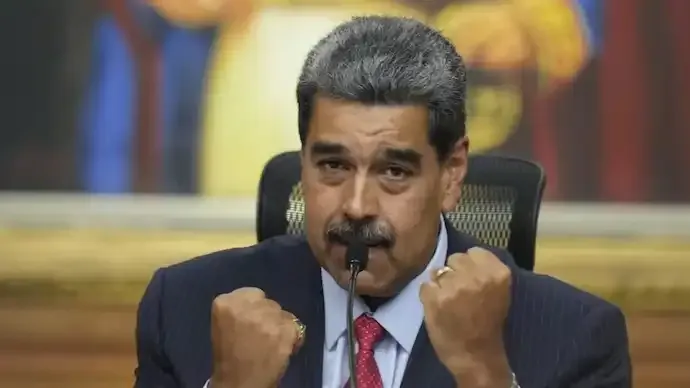
The woman shown in the image is reportedly linked to Venezuela’s political leadership, headed by President Nicolás Maduro. However, no official confirmation has been issued by US or Venezuelan authorities regarding the exact circumstances behind the injuries shown in the image. Independent verification of the claims made in the viral post is still pending.
Political analysts point out that such viral content often resurfaces amid ongoing tensions between Washington and Caracas. The US has long imposed sanctions on Venezuela, citing democratic backsliding and human rights violations, while the Venezuelan government has accused the US of political interference and economic coercion.
Human rights experts caution against drawing conclusions solely based on social media narratives. They stress the importance of verified facts, medical reports, and official statements before attributing responsibility. At the same time, they acknowledge that images like these gain traction because they resonate with broader global concerns about power politics and perceived hypocrisy in international relations.
The incident once again highlights how social media has become a powerful battleground for geopolitical narratives, where images and short statements can shape public opinion far beyond official diplomatic channels. As discussions continue, the episode underscores the growing demand for transparency, accountability, and consistency in how human rights are addressed worldwide.

Conversation
Be kind and stay on topic. Comments are moderated; abuse, spam and personal attacks are removed. Report a problem