
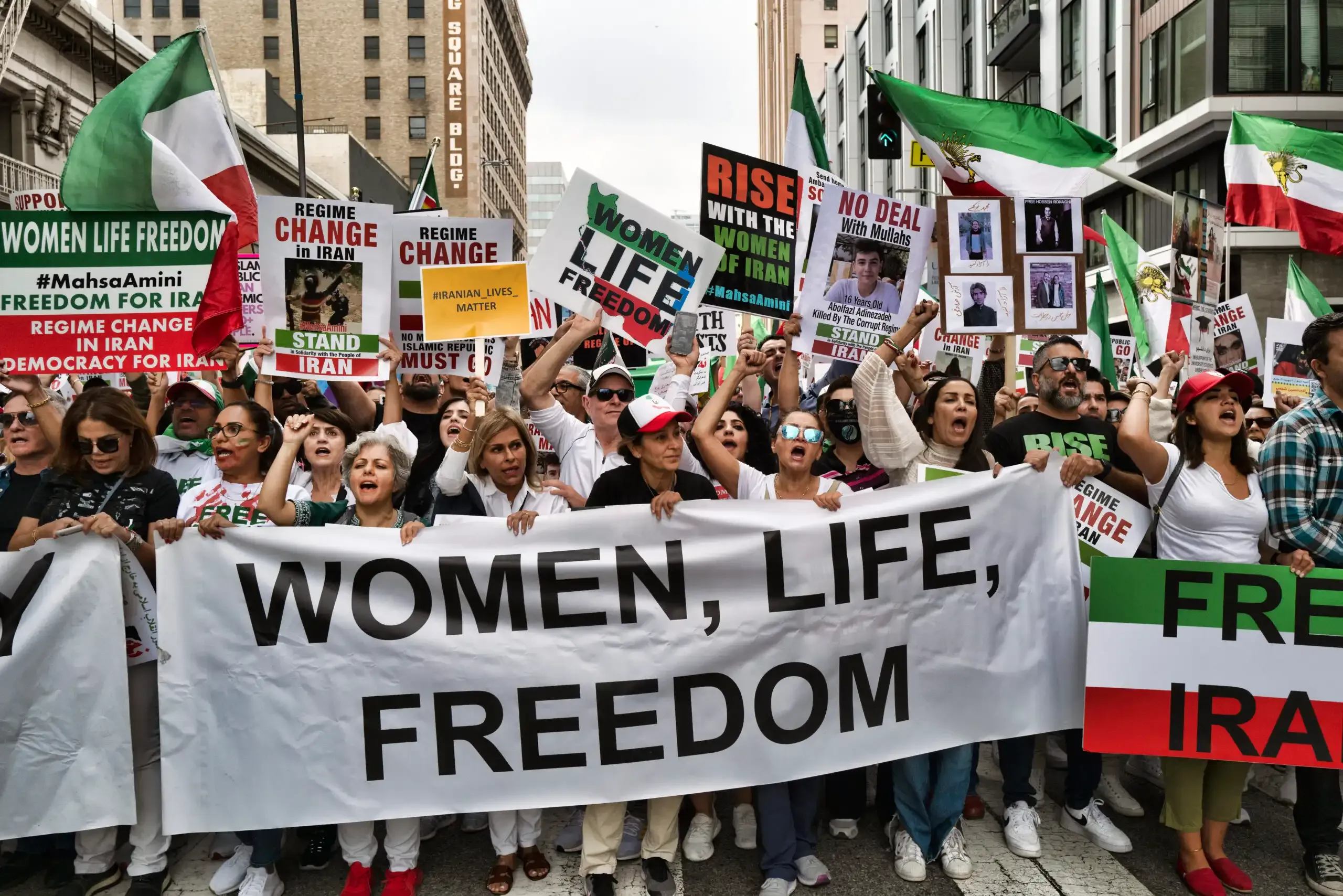
Human rights activists have issued a scathing indictment of the ruling establishment in Iran, accusing the regime of decades-long repression marked by executions, lynchings, and systematic killings. Speaking in an interview, the activist described the current unrest not as a routine political movement, but as a historic struggle for the liberation of an entire nation from what was termed a “foreign occupying murderous regime.”
According to the activist, violence and repression have remained constant features of governance in Iran for the past 47 years. They alleged that the authorities have continued to execute and kill dissenters while suppressing basic freedoms, leaving large sections of society living under fear. The remarks come amid growing unrest, widespread protests, and labour strikes across the country, signalling what activists describe as a decisive phase in Iran’s internal resistance.
Not Regime Change, But Liberation
The interviewee stressed that the movement unfolding in Iran goes beyond calls for a simple change of leadership. Instead, it is being framed as a national liberation struggle rooted in Iranian identity, culture, and self-determination. Activists argue that the current system no longer represents the will of the people and has lost legitimacy due to years of violence and ideological control.
Chants of “Javid Shah” heard during protests were highlighted as a reflection of public rejection of the existing Islamic leadership and nostalgia for a pre-revolutionary national identity. The slogan, activists say, symbolises resistance rather than a return to absolute monarchy, serving as a rallying cry against authoritarian rule.
Reza Pahlavi and Transition Debate
The discussion also touched upon the role of Reza Pahlavi, who has emerged as a prominent voice among opposition groups abroad. The activist described Pahlavi not as a claimant to permanent power, but as a potential transitional figure who could help guide Iran toward a democratic framework if the current system collapses.
According to the activist, many Iranians view the transition phase as critical and believe leadership should focus on stabilisation, justice, and the rebuilding of institutions rather than personal authority. The emphasis, they said, remains on creating a future shaped by the people themselves.
Role of International Community
While asserting that the Iranian people are determined to succeed regardless of external help, the activist warned that silence or inaction by the international community could come at a heavy cost. A lack of diplomatic or moral support, they argued, may embolden further crackdowns, leading to increased bloodshed.
The interviewee called on democratic nations and human rights organisations to recognise the gravity of the situation and support the Iranian people’s aspirations. They maintained that meaningful international pressure could limit violence and accelerate a peaceful transition.
Economic Strain and Nationwide Strikes
The activist also highlighted the economic dimension of the unrest, noting that widespread strikes have begun to impact key sectors of the Iranian economy. According to them, these strikes represent both protest and sacrifice, as workers risk livelihoods to weaken the regime’s grip and force change.
They claimed that economic paralysis, combined with mass dissent, has brought the system under unprecedented strain. Despite the risks, the activist said people remain resolute, driven by the belief that the cost of inaction is far greater.
Rejection of Ideological Rule
At the heart of the movement, the activist said, is a rejection of ideological governance imposed in the name of religion. Protesters, they argued, are asserting Iranian national identity over enforced religious authority, demanding dignity, freedom, and the right to choose their own future.
As protests continue and tensions escalate, activists insist that the situation in Iran has reached a point of no return. Whether supported or ignored by the world, they say, the Iranian people are determined to end decades of repression and reclaim control over their nation’s destiny.



Conversation
Be kind and stay on topic. Comments are moderated; abuse, spam and personal attacks are removed. Report a problem