
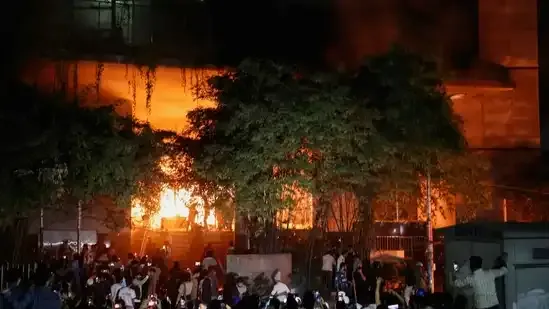
The deaths of Dipu Chandra Das and Sharif Osman Hadi in Bangladesh last week have revealed a stark and uncomfortable truth: Western concern for human rights often operates within selective moral boundaries.
While governments in the US and Europe swiftly issued statements mourning the killing of Osman Hadi, their silence over the brutal lynching of Dipu Chandra Das has been striking. Both deaths occurred on December 18, yet the global reaction could not have been more different.
Osman Hadi, a prominent face of the July–August 2024 agitation against the former Sheikh Hasina government, was shot in the head by masked assailants in Dhaka. He later died while undergoing treatment in Singapore. His killing drew widespread condemnation from Western governments and diplomatic missions, some of which even lowered national flags in Bangladesh as a mark of respect.
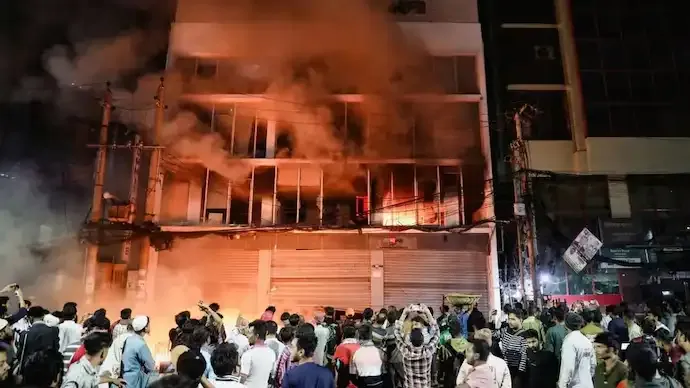
In contrast, Dipu Chandra Das, a 27-year-old Hindu factory worker, was beaten to death by a mob in Bhaluka, Mymensingh district, over allegations of blasphemy. According to reports, he was handed over to the mob by factory supervisors, stripped, tied to a tree in public view and set on fire. Hundreds witnessed the attack, many recording videos as the violence unfolded. Outside India, however, the outrage was virtually non-existent.
Western media coverage of Das’s lynching was minimal. The The New York Times was among the few major outlets to report the incident, but framed it within a broader regional narrative of religious intolerance, drawing parallels with communal violence in India rather than addressing the specific pattern of minority persecution in Bangladesh.
Critics argue that this approach dilutes accountability and reflects a deeper discomfort in acknowledging attacks on Hindus in Muslim-majority nations. Former Indian diplomat Kanwal Sibal described the diplomatic response to Hadi’s killing as “unusual”, noting that his organisation, Inquilab Mancha, has Islamist leanings and advocates the Islamisation of Bangladesh.
The silence over Das’s lynching has also drawn attention to the changing political climate under interim chief Muhammad Yunus. While Western governments were vocal critics of Sheikh Hasina’s authoritarianism, they have largely refrained from condemning rising political violence and minority attacks since her ouster.
For decades, Bangladesh’s Hindu population has faced discrimination, sporadic violence and displacement, pushing many to migrate to India. Yet these realities rarely feature prominently in Western human rights discourse, which critics say focuses selectively on causes aligned with geopolitical or ideological comfort zones.
The contrasting reactions to the deaths of Dipu Chandra Das and Osman Hadi underline a broader charge: that Western advocacy for human rights is often conditional. When victims fall outside preferred narratives, outrage fades into silence, leaving crimes unacknowledged and justice unamplified.





Conversation
Be kind and stay on topic. Comments are moderated; abuse, spam and personal attacks are removed. Report a problem