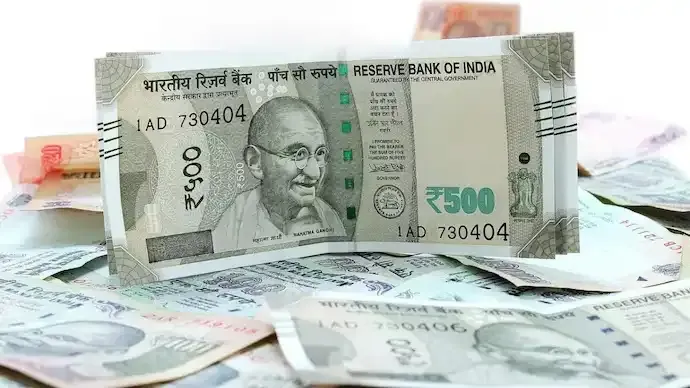
As the tenure of the 7th Pay Commission ends on December 31, 2025, attention is gradually shifting to what the 8th Pay Commission may deliver for central government employees and pensioners. While expectations of a major pay hike remain, revised salaries and pensions are now unlikely to be implemented before late 2027 or early 2028, given the 18-month timeline typically granted to a new commission.
Once implemented, the 8th Pay Commission is expected to impact over 50 lakh central government employees and nearly 69 lakh pensioners. While formal announcements on its constitution and funding are awaited, inflation and the rising cost of living have already emerged as key factors likely to influence its recommendations.
Why Inflation Will Be Central to the 8th Pay Commission
Although headline inflation remains relatively stable, household expenses have risen sharply over the past few years, especially in urban areas. Experts say the nature of spending has changed significantly, making traditional inflation metrics less reflective of real financial pressure.
According to Shashank Gupta, inflation and cost-of-living concerns will play a decisive role in the commission’s assessment. He notes that everyday expenses, rather than official inflation numbers alone, will shape expectations from the next salary revision.
Housing Costs Emerging as the Biggest Pressure Point
Housing-related expenses are expected to be a major consideration for the commission. Rents, home loan EMIs, maintenance charges and electricity bills have increased steadily, particularly in metropolitan cities, squeezing disposable incomes.
Experts say this is where the fitment factor—the multiplier used to revise basic pay and pensions—becomes crucial. If revisions fail to reflect real housing and living costs, it could weaken purchasing power and affect long-term financial security for employees and retirees.
Salary Revisions Go Beyond Inflation Adjustment
Gupta points out that pay commission recommendations are not merely mathematical corrections for inflation. Instead, they aim to preserve purchasing power and ensure that income levels remain aligned with evolving living standards.
Housing affordability, in particular, is expected to influence both basic pay hikes and revisions in House Rent Allowance (HRA), especially for employees posted in urban centres.
What Happens to Arrears?
Some clarity has also emerged on arrears. Manish Mishra, Founder of GenZCFO, says delays in implementation are unlikely to affect entitlement.
He explains that arrears are expected to be calculated from January 1, 2026—the date marking the end of the 7th Pay Commission—even if actual payments are made later, after the government approves the recommendations.
For now, central government employees and pensioners may need patience. However, when the 8th Pay Commission finally submits its report, inflation—particularly the real cost of urban living—is likely to play a decisive role in shaping salary and pension revisions.