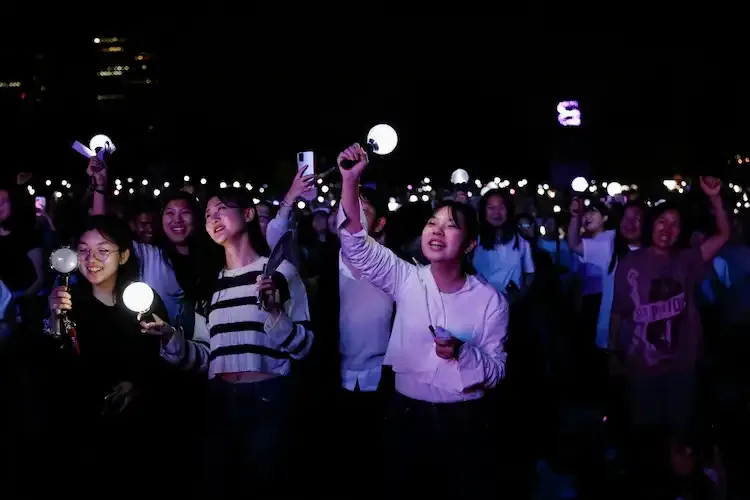
The global rise of Korean pop culture, often called the Hallyu wave, has transformed music, television, fashion and beauty trends across the world. From K-pop performances to binge-worthy dramas and highly marketed skincare routines, South Korea’s cultural influence has grown into a powerful form of soft power. While many celebrate this cultural exchange as creative and inspiring, recent events have sparked a deeper conversation about how intense digital fandoms and idealised lifestyles can shape young audiences.
The discussion intensified after a tragic incident in Ghaziabad involving three sisters whose personal writings referenced a deep attachment to Korean culture. Authorities and experts emphasise that complex incidents involving mental health and self-harm cannot be reduced to a single cause. However, the episode has drawn attention to the broader ecosystem of online fandoms, algorithm-driven content and aspirational marketing that often accompanies global entertainment trends.
South Korea’s cultural exports are widely regarded as carefully designed and highly polished. K-pop groups present synchronised performances and strong fan engagement, while K-dramas offer emotionally immersive storytelling that resonates across cultures. K-beauty brands promote flawless aesthetics that appeal to a global audience. Together, these industries create a lifestyle narrative that feels intimate and accessible, encouraging fans to adopt new fashion choices, language phrases and online communities.
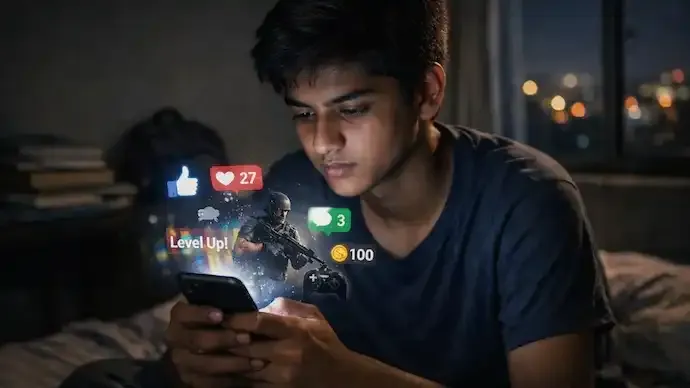
Digital platforms have played a major role in amplifying this influence. Algorithms recommend content continuously, often pulling viewers deeper into fan forums, streaming challenges and social media discussions. For many young people, these spaces become a source of belonging and identity. While fandom culture can build creativity and community, psychologists caution that excessive immersion — especially during periods of isolation or stress — may blur the boundary between entertainment and personal reality.
Experts note that global pop culture has always inspired intense fan movements, but the digital era has increased the speed and scale of engagement. Online rituals such as coordinated streaming, virtual fan events and gaming-style challenges can create strong emotional bonds. When access to these platforms changes suddenly, some individuals may experience feelings of loss or disconnection, highlighting the importance of balanced media consumption and supportive offline environments.
The debate also reflects a wider discussion about the commercial nature of modern entertainment. Cultural products are often packaged not just as art but as aspirational lifestyles, encouraging consumers to buy into a vision of romance, beauty and success. Critics argue that such portrayals can create unrealistic expectations, particularly among younger audiences navigating identity and self-worth.
At the same time, cultural exchange remains a positive force that fosters creativity and global understanding. Many fans find joy, inspiration and new opportunities through Korean music, dramas and language learning. The challenge lies in maintaining perspective — appreciating global culture while recognising the difference between curated entertainment and everyday reality.
The conversation surrounding Hallyu’s influence continues to evolve, blending discussions about digital responsibility, youth mental health and the role of global media industries. As international cultural trends become more immersive, experts stress the importance of open dialogue between families, educators and platforms to ensure that entertainment remains enriching rather than overwhelming.
Prev Article
Virtual Reality Elderly Care: How VR Therapy Is Helping India’s Seniors Heal and Stay Independent
Next Article
Smartphone Ban Debate Explained: Why Experts Say Restrictions Alone Won’t Solve Teen Digital Risks