


The T20 World Cup 2026 has been overshadowed by a major controversy after Pakistan’s proposed boycott of its highly anticipated match against India triggered intense debate across the cricketing world. What initially appeared to be a firm political and sporting stance gradually evolved into a complex negotiation involving financial realities, diplomatic exchanges and the International Cricket Council’s (ICC) efforts to maintain tournament stability.
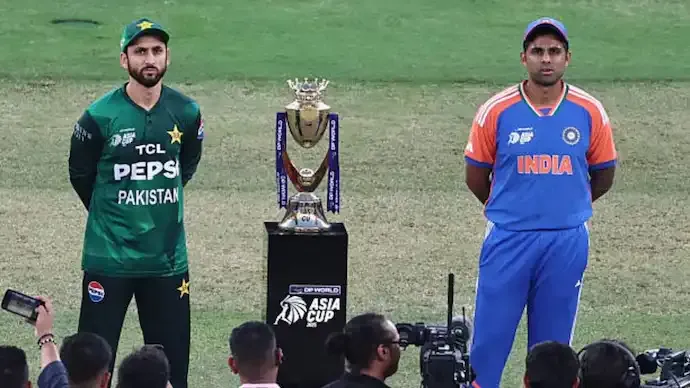
The controversy began when Pakistan announced its intention to avoid the high-profile clash, framing the decision as a matter of principle and regional solidarity. However, as discussions progressed behind closed doors, the practical challenges of withdrawing from one of cricket’s most commercially valuable fixtures became increasingly evident. The India-Pakistan rivalry remains a cornerstone of global cricket broadcasting, attracting massive audiences and generating substantial revenue for stakeholders.
Former players and analysts had earlier suggested that the boycott might not be sustainable, given the scale of financial commitments tied to the event. Broadcast agreements, sponsorship obligations and tournament logistics all placed significant pressure on decision-makers to find a workable solution. As negotiations unfolded, ICC officials reportedly engaged in extensive talks with representatives from multiple cricket boards to prevent disruption to the competition schedule.

Behind the scenes, the ICC sought to balance competing interests while avoiding a scenario that could damage the tournament’s commercial and sporting credibility. Discussions reportedly focused on addressing concerns raised by participating teams while ensuring that contractual obligations remained intact. The governing body ultimately emphasised that bilateral issues between nations fall outside its jurisdiction, reinforcing the importance of maintaining neutrality.
The episode also highlighted how modern cricket operates at the intersection of sport, politics and economics. Analysts noted that while public statements often emphasise principle and national sentiment, tournament organisers must simultaneously consider financial sustainability and global fan engagement. The India-Pakistan fixture, in particular, is widely regarded as one of the most valuable matches in international sport, making any disruption highly consequential.
Observers believe the controversy reflects a broader trend in international cricket, where administrative decisions increasingly attract public scrutiny. The rapid spread of information through digital platforms has amplified reactions from fans, players and experts, turning boardroom negotiations into global talking points.
As the tournament progresses, attention is expected to shift back to on-field performances, though the debate surrounding the boycott episode has left lasting questions about governance and communication within international cricket. For many fans, the eventual confirmation that the match will go ahead underscores the enduring appeal of one of sport’s most iconic rivalries.
With teams preparing to meet on the field, organisers hope the focus will return to competitive cricket rather than administrative disputes. The situation serves as a reminder that while political narratives may influence sporting decisions, financial considerations and the global appeal of marquee fixtures often play an equally decisive role.







Conversation
Be kind and stay on topic. Comments are moderated; abuse, spam and personal attacks are removed. Report a problem