



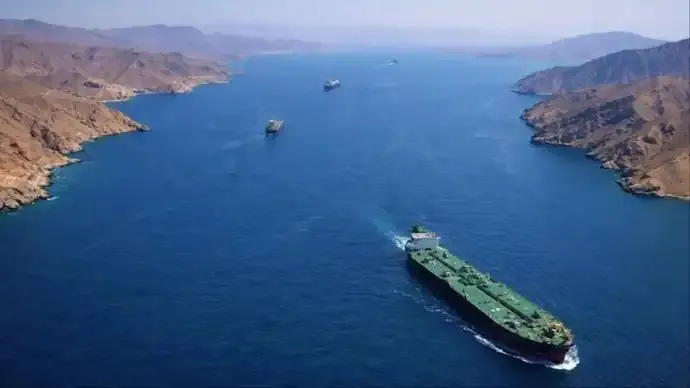
The Strait of Hormuz, one of the world’s most critical oil transit routes, has become a focal point of global concern amid rising geopolitical tensions. Nearly 20% of the world’s crude oil passes through this narrow waterway, making any disruption a major threat to global energy security.
Recent developments suggest that the region may now be heavily mined, turning it into a high-risk zone for international shipping.
Iran Suspected of Laying Naval Mines
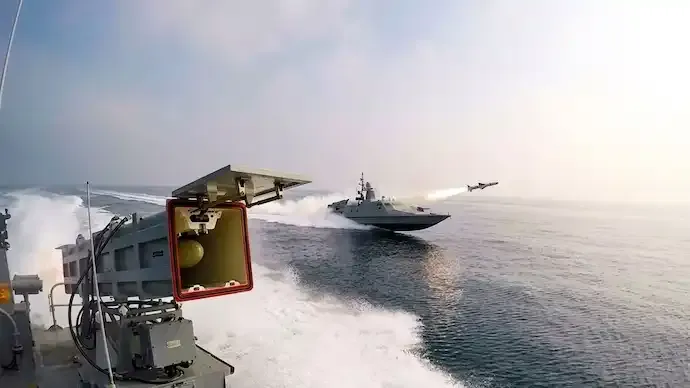
Iran is believed to have deployed naval mines in the Strait of Hormuz in response to military actions by the United States and its allies. The move is seen as a strategic attempt to disrupt maritime traffic and increase pressure in the ongoing geopolitical conflict.

These mines are designed to damage or destroy vessels, making navigation through the strait extremely dangerous.
How Naval Mines Work
Naval mines are highly sophisticated underwater weapons that can remain undetected until triggered. A common type includes contact mines equipped with protrusions known as “Hertz horns,” which detonate explosives when touched or disturbed by a vessel.
These devices can be anchored to the seabed or float beneath the surface, making them difficult to detect and avoid.
Clearing Mines Is a Complex Operation
While laying mines can be done relatively quickly, clearing them is a far more complicated and time-consuming process. Mine-clearing operations require:
- Specialised naval vessels
- Advanced sonar and detection systems
- Highly trained personnel
- Controlled detonation or safe removal techniques
Each step involves significant risk, as even a small mistake can trigger an explosion.
Global Shipping and Oil Supply Impacted
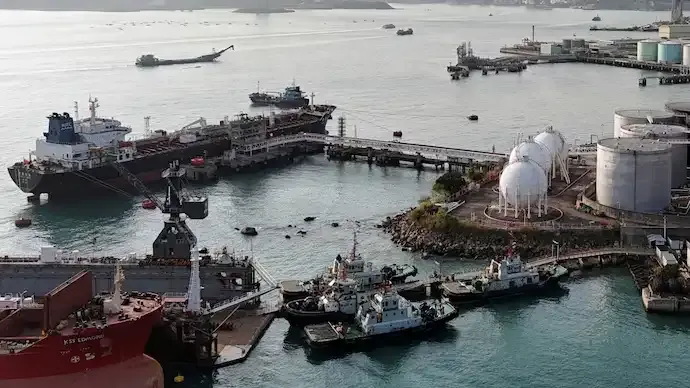
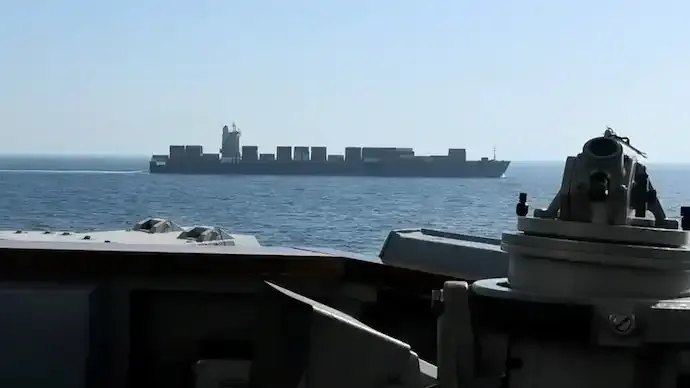
The presence of mines has effectively turned the Strait of Hormuz into a no-go zone for many commercial vessels. This has disrupted global shipping routes and raised concerns about oil supply shortages.
Countries dependent on oil imports, including India, are closely monitoring the situation due to potential impacts on fuel prices and economic stability.
Geopolitical Tensions Add to Uncertainty
The mining of the strait comes amid ongoing tensions involving the United States and Israel, with the situation remaining volatile despite recent pauses in military activity.
The risk of escalation continues to loom, with global powers urging caution and diplomatic solutions.
Why Mine Clearance Takes Time
Mine clearance is not just a technical challenge but also a strategic one. Operations must ensure:
- Safety of personnel and vessels
- Minimal disruption to marine environments
- Accurate identification of all threats
Even after initial clearance, repeated checks are required to ensure safe passage.
What Lies Ahead for Global Trade
The situation in the Strait of Hormuz will play a crucial role in shaping global trade and energy markets in the coming weeks. Any delay in clearing mines could prolong disruptions and increase economic uncertainty.
As efforts continue, the world remains focused on how quickly and safely this critical waterway can be secured for normal operations again.





Conversation
Be kind and stay on topic. Comments are moderated; abuse, spam and personal attacks are removed. Report a problem