
The crude oil shock may not have fully reached consumers at petrol pumps, but its impact is increasingly visible across Indian financial markets. Brent crude was trading around $107 a barrel on September 29, while the rupee slipped past Rs 96 against the US dollar.
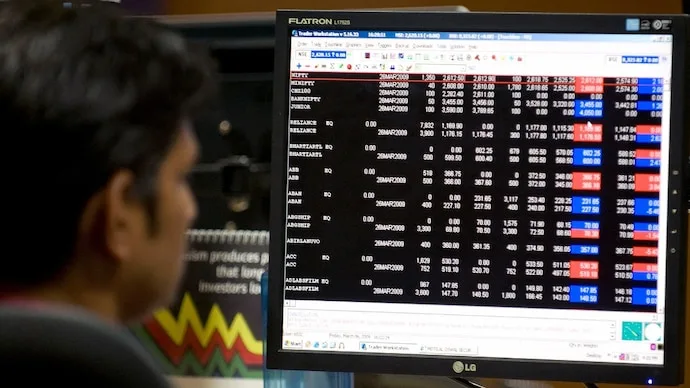
The pressure comes at a difficult time for Indian equities, with the Sensex and Nifty trading around six-month lows amid foreign outflows, elevated US bond yields and geopolitical uncertainty.
India's crude import dependence stood at 88.7% in FY26. Higher international prices therefore increase the country's import bill and demand for dollars, adding pressure on the rupee.
OMC margins take the hit
Although petrol and diesel prices have remained unchanged since the previous hikes in May, oil marketing companies are absorbing much of the higher crude cost.
ICRA estimates that Indian Oil, BPCL and HPCL are collectively losing around Rs 530 crore a day from fuel marketing, with marketing margins turning negative at roughly Rs 8 per litre for petrol and Rs 9 per litre for diesel.
If Brent averages $105-$115 a barrel for the rest of FY27 while domestic fuel prices remain unchanged, the three OMCs could face around Rs 64,000 crore in petrol and diesel under-recoveries during the financial year, according to the estimate cited in the report.
Expensive oil can spread across sectors
The impact extends beyond OMCs. Airlines face higher fuel expenses, while paint, chemical, tyre, plastics and packaging companies can face increased petroleum-linked input costs.
Companies that cannot fully pass these expenses to consumers may see their profit margins squeezed. Over time, sustained high crude prices can therefore become an earnings concern for corporate India.
Geojit Investments Chief Investment Strategist V K Vijayakumar said expensive crude combined with elevated US Treasury yields was creating an unfavourable macro environment for equities.
What does it mean for investors?
Crude at above $100 is not necessarily the key issue by itself. The duration of elevated prices could matter more.
A prolonged oil shock could pressure OMC profitability, weaken the rupee, increase input costs and affect corporate earnings. Foreign portfolio outflows and high US yields add another layer of pressure.
For retail investors, the crude story therefore goes beyond petrol prices. Even when fuel rates remain unchanged, the economic impact can emerge through company margins, currency movements and stock-market sentiment.





Conversation
Be kind and stay on topic. Comments are moderated; abuse, spam and personal attacks are removed. Report a problem