
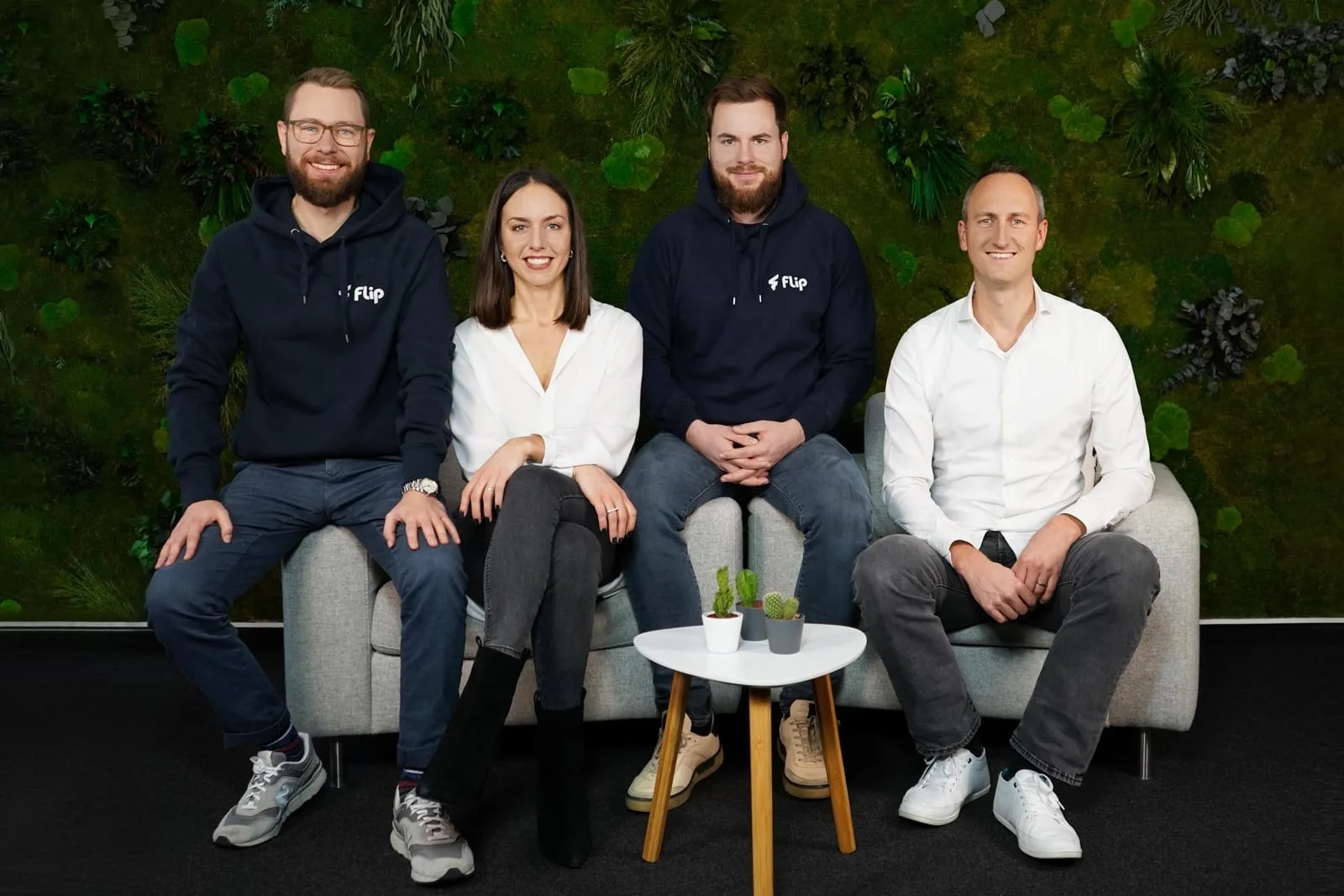
Building a startup can be far more demanding than simply working long hours, says the founder of employee communication platform Flip. The idea for Flip emerged in 2018 while its co-founder was working in Porsche’s data science department in Stuttgart and noticed that businesses struggled to effectively connect deskless employees with workplace information and reporting systems.
Flip was created to help employees communicate through chats, newsfeeds, shift planning, timesheets and other workplace tools. But turning the idea into a company brought challenges that went far beyond product development.
The founder recalls that after Flip raised its first funding round and grew to around 25 employees, the responsibility of building a sustainable business became much more real. The possibility of failure was no longer personal; it could affect an entire team.
Feedback became part of the founder journey
One lesson was to view both the founder and the business as works in progress. As Flip evolved, its leadership also needed to keep learning. The founder says feedback, coaching, mentors, advisors and other entrepreneurs can provide perspective and help founders identify areas for improvement.
He also considers building the right team one of the most important responsibilities of a founder. According to him, great companies depend on talented people working together, while leadership also involves identifying and removing obstacles that hold teams back.
When the company becomes personal
Another unexpected aspect of entrepreneurship was how closely the business became tied to his personal life. He says the traditional idea of work-life balance can become difficult for founders because their identity and the company can become deeply connected.
That relationship can also reveal a founder’s own strengths and weaknesses within the organisation. Leadership therefore requires recognising how personal decisions and behaviours can influence the wider company.
Flip’s experience also reinforced the importance of asking for support. With numerous responsibilities competing for attention, founders can overlook resources that could help them solve problems or make better decisions.
For entrepreneurs considering the venture-capital route, the founder recommends actively using the support offered by investors, mentors and professional networks. His broader lesson is that building a company is also a continuous process of building oneself as a leader.
Conversation
Be kind and stay on topic. Comments are moderated; abuse, spam and personal attacks are removed. Report a problem