
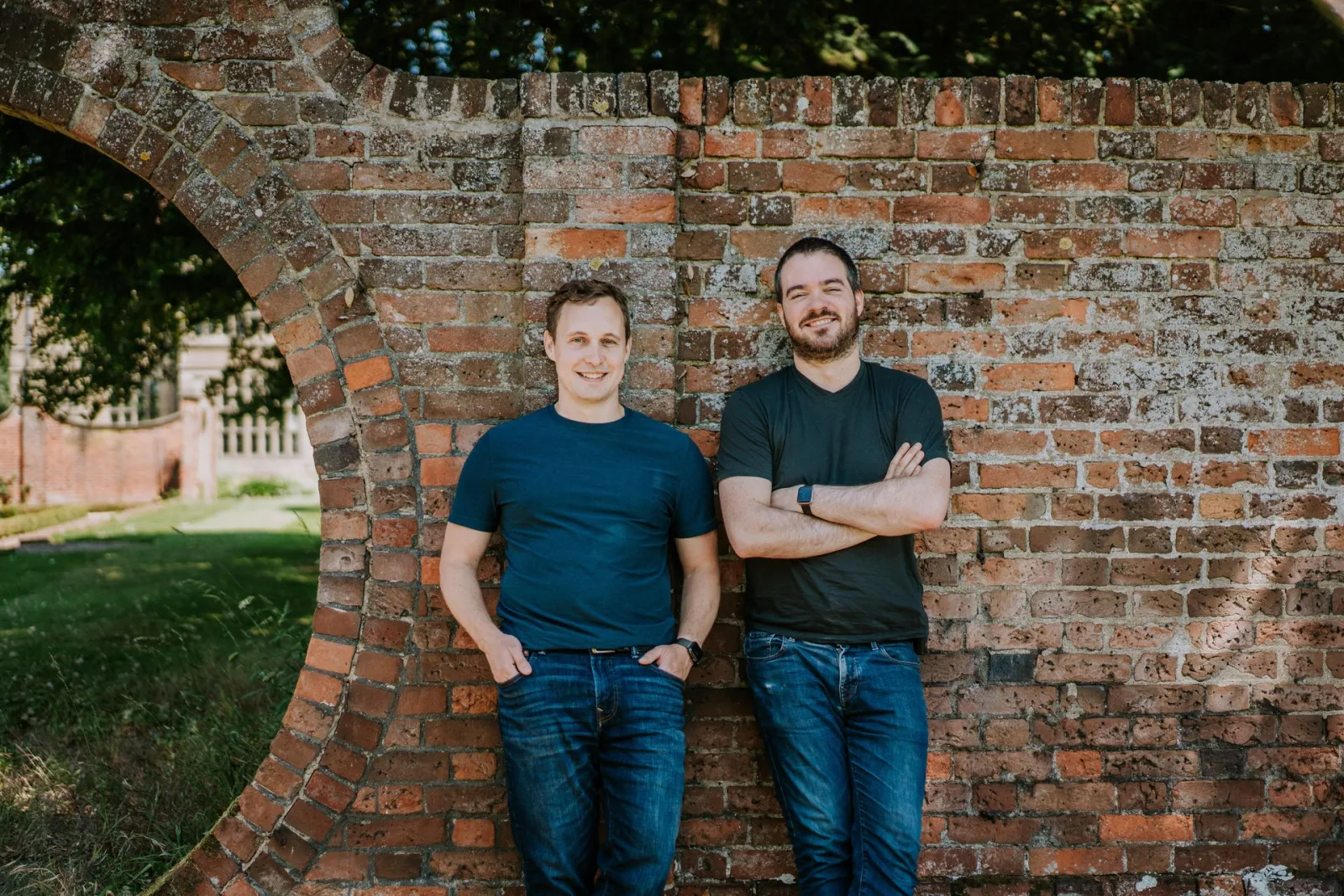
The Griffin founder says building a modern financial infrastructure company requires patience, resilience and a clear understanding of customer demand. His journey began after an earlier banking infrastructure startup identified a genuine market need but struggled with its business model. In 2016, he began exploring the idea that eventually became Griffin, a modern, API-first bank designed to support companies building financial products.
A vision that stayed remarkably consistent
The core idea behind Griffin has changed little since its early days. While the economic environment has evolved, particularly with interest rates returning closer to historical levels, the company has continued working toward its original vision of making it simpler for businesses to develop and launch financial products.
The founder says some deviations from that path happened because of investor pressure, but those attempts to accelerate or alter the strategy largely did not work. Securing regulatory authorisation and seeing demand for Griffin’s services eventually provided validation for the original approach.
Building the right team
One of the founder’s biggest lessons has been the importance of hiring people with expertise he initially lacked. Coming into the company without a traditional banking background meant learning how to evaluate candidates for specialised areas such as risk, compliance and finance.
Over time, he says the company built a team that is talented, kind and hardworking. For him, surrounding himself with capable people has also been an important way of managing the pressures of entrepreneurship.
Family, hobbies and relationships with his co-founder have helped provide balance during difficult periods. He describes his co-founder as a stabilising influence and says the two rarely experience setbacks at the same time.
Solving problems one at a time
The founder believes entrepreneurship inevitably brings moments when founders question their decisions. However, each challenge can also build resilience. His approach is to keep addressing problems as they emerge rather than becoming consumed by hypothetical future scenarios.
He also stresses the importance of understanding what customers actually want. Instead of building around an imagined future, Griffin focuses on existing demand and makes incremental adjustments based on customer feedback.
For the founder, that clarity, combined with a strong internal culture and trusted relationships, remains central to Griffin’s long-term ambitions.
Conversation
Be kind and stay on topic. Comments are moderated; abuse, spam and personal attacks are removed. Report a problem