

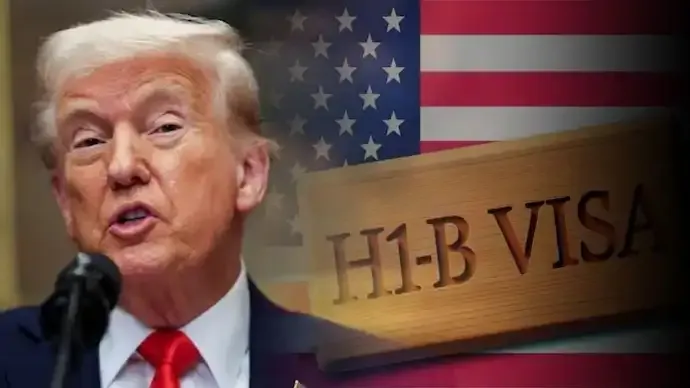

The selection rate for the H-1B visa has seen a sharp increase in 2026, reaching as high as 75% in some cases. This marks a significant improvement compared to previous years, when approval chances were considerably lower.
The rise in selection rates is being attributed largely to a decline in the number of applications, which has altered the dynamics of the visa lottery system.
Impact of Donald Trump Administration Policies
The increase in selection rates is closely linked to policy changes introduced under the administration of Donald Trump. These changes have reshaped the visa programme and significantly reduced the applicant pool.

One of the major policy shifts included a steep increase in application fees, which reportedly reached up to $100,000 in 2025. This move discouraged a large number of applicants, particularly smaller firms and multiple filings.
From 33% to 75%: Dramatic Shift in Approval Odds
In previous years, the H-1B visa selection rate hovered around 30–35%, making it highly competitive for skilled foreign workers.
However, in 2026, the reduced number of applications has led to a dramatic increase in approval chances, with many applicants experiencing significantly improved odds.
This shift represents one of the most notable changes in the history of the H-1B lottery system.
Why Fewer Applications Were Filed
Experts point to several factors behind the drop in applications:
- Higher application costs
- Stricter regulatory measures
- Reduced multiple or duplicate filings
- Increased scrutiny in the visa process
These changes have streamlined the application pool, leading to a higher selection ratio.
Implications for Indian Professionals
India remains one of the largest contributors to the H-1B visa programme, with a majority of applicants coming from the country.
The improved selection rate could benefit Indian professionals seeking opportunities in the United States, especially in sectors like IT, engineering, and finance.
However, higher costs and policy restrictions may still pose challenges for many applicants.
Business and Economic Impact
For American companies, the higher selection rate means easier access to skilled talent. This could help address workforce shortages in key industries.
At the same time, policy changes continue to shape hiring strategies and global talent mobility.
What Lies Ahead
While the current increase in selection rates is significant, future trends will depend on policy decisions, application volumes, and economic conditions.
The H-1B visa programme remains a critical pathway for global talent entering the US workforce.








Conversation
Be kind and stay on topic. Comments are moderated; abuse, spam and personal attacks are removed. Report a problem