

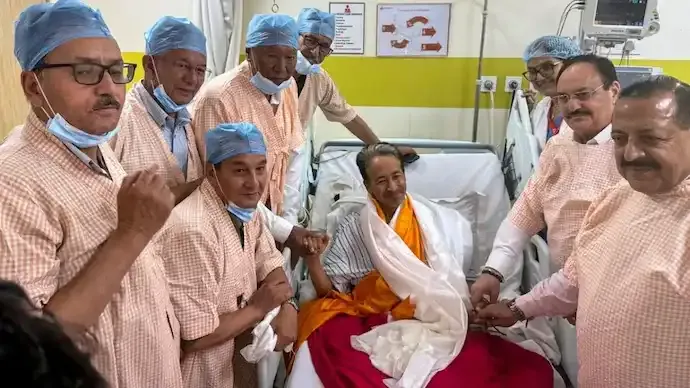

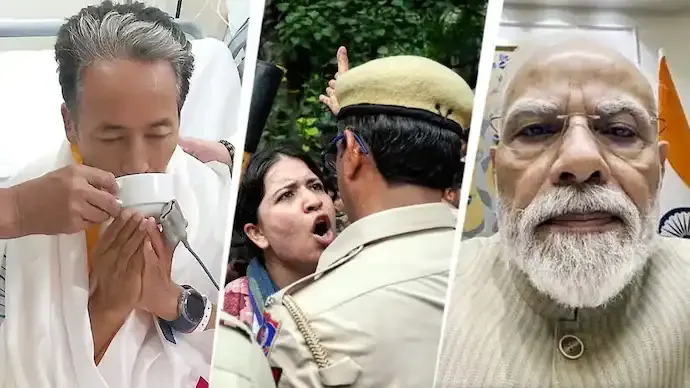
A four-hour high-level meeting chaired by Union Home Minister Amit Shah proved pivotal in ending activist Sonam Wangchuk's 26-day hunger strike, as the Central Government offered written assurances on examination reforms, legislative action against paper leaks and continued dialogue with student representatives.
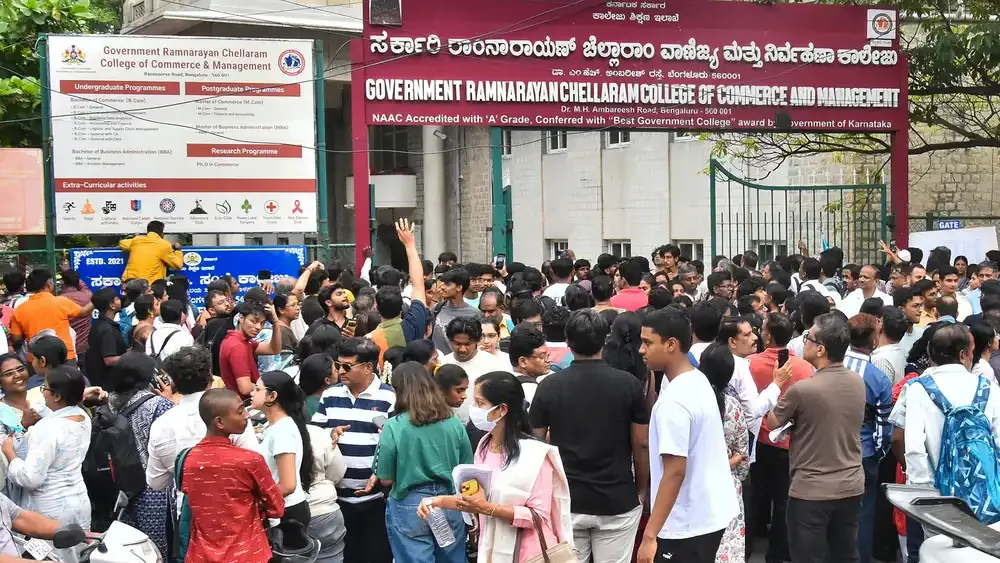
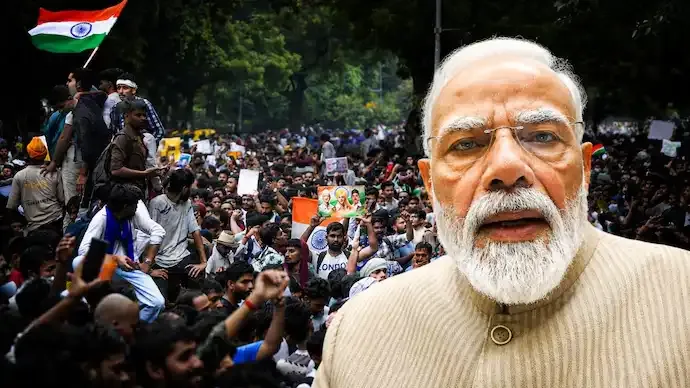
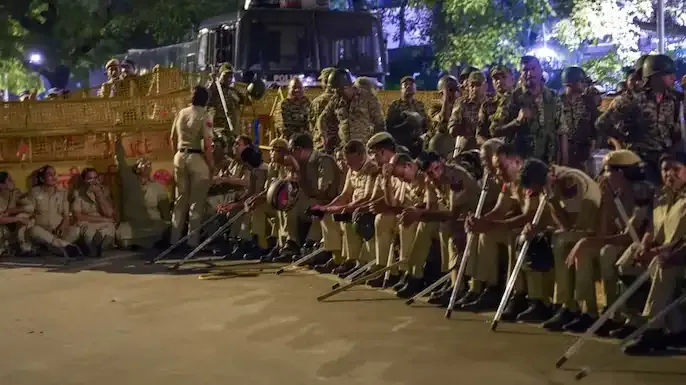
The outreach came amid escalating nationwide protests over alleged NEET examination irregularities, with the government seeking to address growing public concern while prioritising Wangchuk's deteriorating health.
High-Level Meeting Focused on Health and Student Concerns
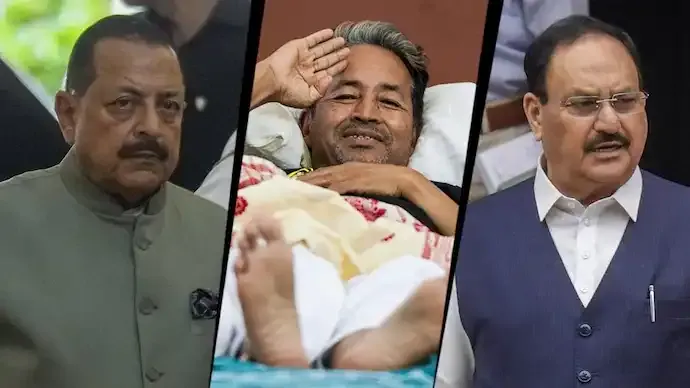
According to sources, Amit Shah chaired a marathon meeting attended by:

- Union Health Minister JP Nadda
- Minister of State in the Prime Minister's Office Dr Jitendra Singh
The discussions reportedly centred on two immediate priorities:
- Addressing Sonam Wangchuk's declining health.
- Responding positively to demands related to examination reforms and the ongoing student movement.
The meeting concluded with a decision to intensify government outreach while initiating dialogue with protest representatives.
Government Reached Out to Wangchuk's Family
Following the meeting, Dr Jitendra Singh contacted Gitanjali Angmo, Sonam Wangchuk's wife, assuring her that the government was committed to addressing the concerns raised by the activist.
The communication formed part of a broader effort to persuade Wangchuk to end his prolonged fast and engage with the government's proposed roadmap for reforms.
Written Assurances Handed Over at Hospital
Later in the day, JP Nadda and Dr Jitendra Singh visited Wangchuk at a hospital in Gurugram.
During the meeting, the ministers personally handed over a written assurance outlining the government's proposed measures.
The two ministers were also present when Wangchuk officially ended his hunger strike later that night.
Government Promises New Anti-Paper Leak Bill
According to sources, one of the key assurances provided by the government was the introduction of a new anti-paper leak Bill under the framework of the Department of Personnel and Training (DoPT).
The proposed legislation is expected to strengthen existing provisions against examination malpractice.
Sources indicated that:
- The proposal is expected to receive Cabinet approval.
- The Bill is likely to be introduced in Parliament during the coming week.
The legislation is intended to reinforce action against organised examination fraud and paper leaks.
Talks with CJP Delegation at Neutral Venue
The government also informed Wangchuk that representatives of the Cockroach Janta Party (CJP) would be invited for discussions at a neutral venue.
The decision followed the CJP's rejection of earlier proposals to hold talks at official government residences or offices.
Subsequently, both sides agreed to meet at the Constitution Club of India in New Delhi.
Wangchuk Receives Multiple Assurances
After ending his fast, Wangchuk said he had received written assurances from the Centre on several issues.
According to his statement, the government assured:
- Parliament would discuss accountability in the examination system.
- The alleged NEET paper leak would be debated.
- Broader education reforms would be considered.
- Peaceful protesters would not face legal action.
- Compensation for families affected by the alleged examination controversy was being positively considered.
These assurances formed the basis of his decision to conclude the hunger strike.
Wangchuk Appeals for Peaceful Dialogue
Sources said Wangchuk informed government representatives that, after recovering, he intended to return to Ladakh.
Before doing so, he planned to meet students and supporters associated with the movement to encourage continued peaceful demonstrations and constructive dialogue.
He also reportedly urged protesters to maintain faith in the government's assurances while cautioning against attempts by anti-social elements to disrupt the movement.
Government Pursues Dialogue Alongside Legislative Action
The government's outreach, coupled with legislative proposals and discussions with protest leaders, represents an effort to reduce tensions surrounding the nationwide student movement.
Whether these measures succeed will depend on the implementation of the promised reforms and the outcome of ongoing discussions between the government and protest representatives.
Key Highlights
- Amit Shah chaired a four-hour meeting on the student protests and Sonam Wangchuk's health.
- The Centre offered Wangchuk written assurances on examination reforms.
- JP Nadda and Jitendra Singh personally met Wangchuk in hospital.
- The government proposed introducing a new anti-paper leak Bill in Parliament.
- CJP representatives were invited for talks at a neutral venue.
- Wangchuk ended his 26-day hunger strike after receiving the assurances.
- The activist urged supporters to continue the movement peacefully.
Frequently Asked Questions (FAQs)
Why did Sonam Wangchuk end his hunger strike?
He ended his 26-day hunger strike after receiving written assurances from the Central Government regarding examination reforms, legislative action against paper leaks and continued dialogue.
Who attended the high-level government meeting?
The meeting was chaired by Union Home Minister Amit Shah and attended by Union Health Minister JP Nadda and Minister of State in the Prime Minister's Office Dr Jitendra Singh.
What assurances did the government provide?
According to Wangchuk, the government assured discussions in Parliament on examination accountability, proposed stronger anti-paper leak legislation, dialogue with protest representatives and consideration of additional reforms.
What is the proposed anti-paper leak Bill?
According to sources, the proposed legislation under the Department of Personnel and Training framework aims to strengthen legal action against examination paper leaks and organised examination fraud.
Why were talks shifted to a neutral venue?
The Cockroach Janta Party rejected earlier government proposals for official venues and insisted on a neutral location, after which the Constitution Club of India was chosen.
What will Sonam Wangchuk do next?
According to sources, Wangchuk plans to return to Ladakh after recovering and will continue encouraging peaceful dialogue while urging supporters to remain patient during discussions with the government.



Conversation
Be kind and stay on topic. Comments are moderated; abuse, spam and personal attacks are removed. Report a problem