


The Indian Council of Agricultural Research (ICAR) is expanding its global presence through bilateral, regional and multilateral partnerships aimed at strengthening agricultural science, improving food security and helping countries respond to climate change and emerging agricultural threats.
With hunger, water scarcity, emerging pests and declining natural resources threatening agricultural productivity worldwide, international scientific cooperation is becoming increasingly important. ICAR is extending India’s agricultural research expertise to other countries through technology exchange, collaborative research and scientific capacity building.
Over five decades, ICAR has signed more than 100 agreements with countries, international research institutions and multilateral organisations. Of these, 72 remain active, covering 37 countries across all inhabited continents.

ICAR Strengthens International Research Cooperation
The organisation’s active partnerships include 49 country-level agreements, 12 collaborations with international agricultural research centres and 11 multilateral or multi-country arrangements. Thirty-one active agreements were established during the past decade, highlighting the growing international reach of India’s agricultural research capabilities.
Through platforms such as the BRICS Agricultural Research Platform, India facilitates scientific exchange, joint research and technology sharing. Proposed Centres of Excellence on Agroecology and Regenerative Agriculture could further strengthen collaboration on sustainable farming and climate resilience.
ASEAN–India cooperation also offers opportunities in crop improvement, horticulture, agricultural mechanisation, livestock and natural resource management. Engagement through the G20 and BIMSTEC supports coordinated approaches to agricultural diseases, crop pests and other shared risks.
Millets and Emerging Technologies Gain Attention
India’s promotion of millets as nutritious and climate-resilient crops is creating opportunities for international research collaboration. The Millets and Other Ancient Grains International Research Initiative (MAHARISHI), headquartered at ICAR–Indian Institute of Millets Research in Hyderabad, supports knowledge exchange and research partnerships.
The Global Centre of Excellence on Millets, also associated with ICAR-IIMR, focuses on research, production technologies, processing, value addition and capacity building. These initiatives aim to help diversify food systems and improve nutrition.
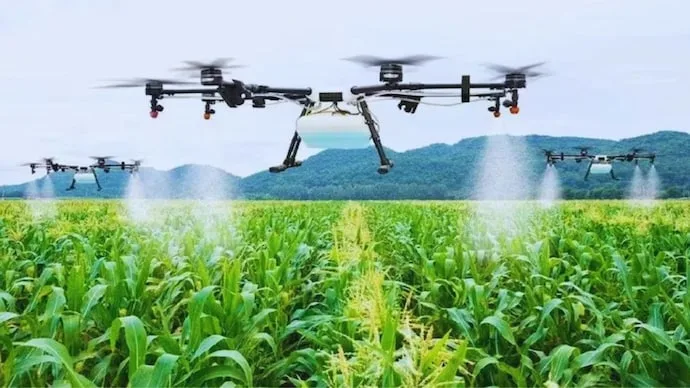
ICAR is also pursuing international cooperation in artificial intelligence for agriculture, including data-driven farming, crop monitoring and efficient resource management.
Livestock Vaccines and Global South Research Platform
ICAR’s veterinary research includes technologies and vaccines targeting Foot-and-Mouth Disease and Peste des Petits Ruminants. International collaboration could help extend relevant innovations to other countries through appropriate technology-sharing arrangements and regulatory processes.
Looking ahead, a proposed Global South research platform aims to connect research organisations from around 50 countries. The initiative could improve access to agricultural technologies, strengthen scientific capacity and encourage joint solutions to common farming challenges.
ICAR’s international role will ultimately depend on the technologies shared, research capabilities strengthened and agricultural problems addressed. By combining India’s agricultural experience with global scientific cooperation, the organisation aims to contribute to more resilient food systems and long-term food and nutritional security.









Conversation
Be kind and stay on topic. Comments are moderated; abuse, spam and personal attacks are removed. Report a problem