

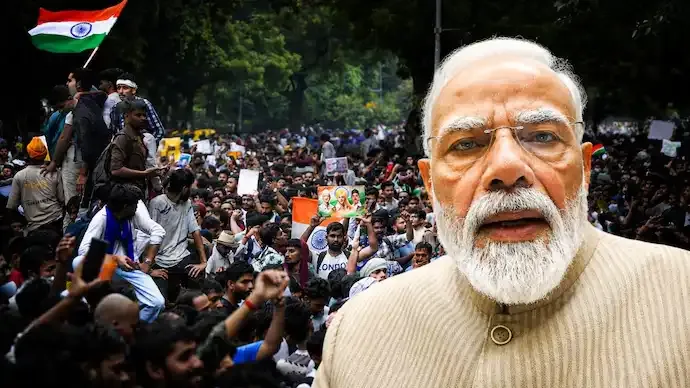

In an unusual late-night outreach, Prime Minister Narendra Modi addressed students through a selfie video posted shortly before midnight, promising stronger action against examination paper leaks and assuring young people that the government was committed to protecting their future.
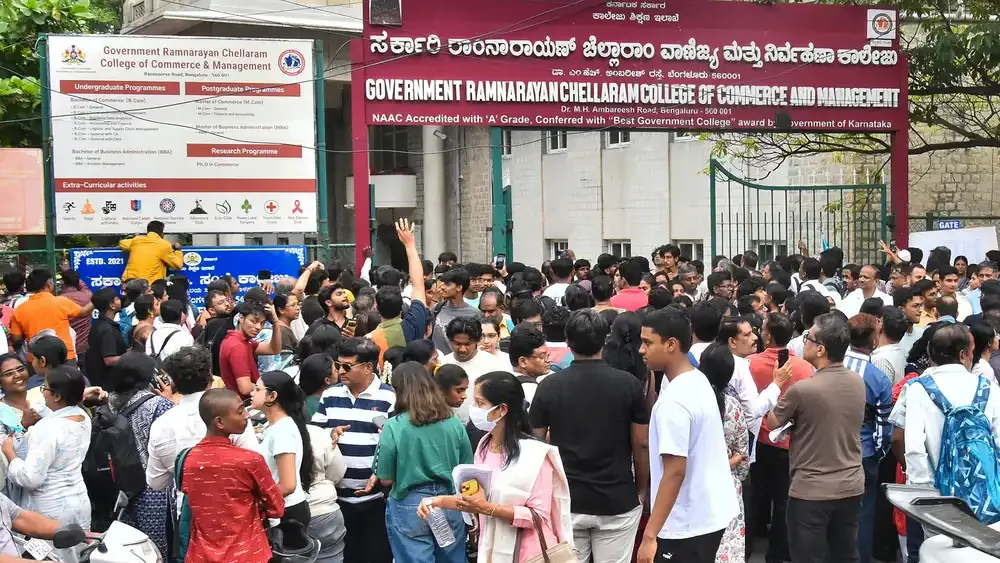
The nearly three-minute video came amid nationwide protests over alleged NEET examination irregularities and marked a noticeable shift in the Prime Minister's communication style by adopting a format commonly associated with digital-first audiences.
PM Modi's Direct Message to Students
Speaking directly to students, Prime Minister Modi acknowledged the emotional impact of the alleged paper leak controversy.

He said the issue had caused distress to lakhs of students and their families and assured viewers that those responsible had already been arrested and legal proceedings were underway.
The Prime Minister also reiterated that ensuring students did not lose an academic year remained one of the government's highest priorities.
Promise of Faster Legal Action
A key focus of the video was the government's proposed legal response.
Prime Minister Modi announced that the government was preparing measures that include:
- Fast-track courts for examination-related offences.
- Stronger anti-paper leak legislation.
- Speedier prosecution of those involved in examination malpractice.
He also revealed that the draft proposal had been prepared and would be placed before the Union Cabinet for consideration before being introduced in Parliament.
A Different Communication Style
Unlike traditional televised addresses delivered from official locations, the Prime Minister chose to record the message in selfie mode, giving it a more informal and personal tone.
The video was uploaded at approximately 11:52 pm, a time when younger audiences are generally active on social media platforms.
The communication style differed from previous government announcements by focusing almost entirely on students and their concerns rather than broader political messaging.
Focus on Students Rather Than Politics
Throughout the video, the Prime Minister concentrated on:
- The concerns of students.
- Restoring confidence in competitive examinations.
- Accountability for examination malpractice.
- Measures to prevent future paper leaks.
He avoided direct political criticism or references to opposition parties, instead framing the government's response around educational reforms and protecting students' aspirations.
Government Highlights Administrative Response
During the address, the Prime Minister highlighted steps already taken following the alleged paper leak.
According to the government:
- Individuals accused in the alleged paper leak have been arrested.
- Examinations for nearly 22 lakh students were conducted within a short period.
- Results were declared promptly to minimise academic disruption.
He added that the government intended to strengthen the examination system through legislative reforms.
Public Reaction on Social Media
The video attracted widespread attention online, receiving millions of views within hours of being posted.
Supporters described the communication style as a fresh approach that directly engaged younger audiences on digital platforms.
At the same time, several users questioned why the response had come after weeks of protests and called for further clarification on issues related to the ongoing controversy.
Others argued that additional dialogue and public engagement would be necessary alongside legislative action.

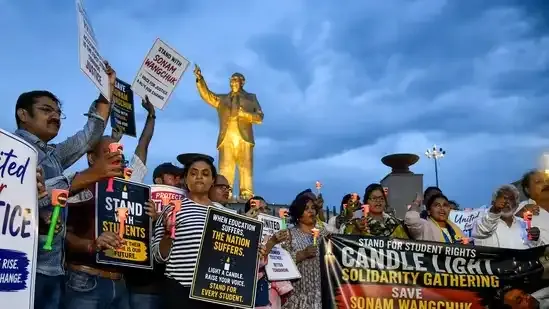
Outreach During a Period of Student Unrest
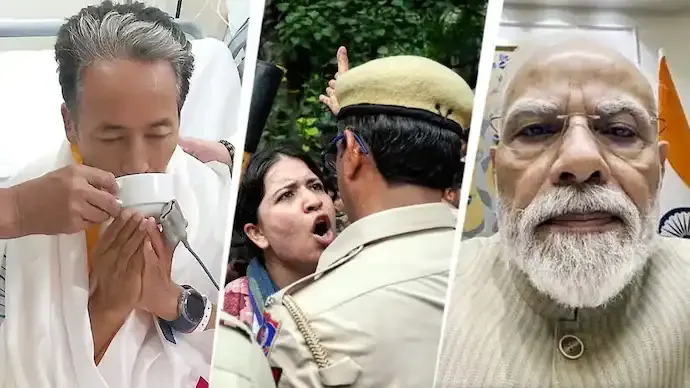
The selfie video formed part of a broader government outreach effort that included announcements on fast-track courts, proposed anti-paper leak legislation and discussions with representatives of the Cockroach Janta Party (CJP).
The communication reflected an attempt to reassure students while highlighting the government's commitment to strengthening examination integrity and accountability.
Key Highlights
- Prime Minister Narendra Modi released a late-night selfie video addressing students.
- The video focused on examination reforms and accountability in paper leak cases.
- The Prime Minister announced plans for fast-track courts and stronger anti-paper leak laws.
- The message emphasised protecting students' academic future and restoring confidence in examinations.
- The communication marked a shift toward a more informal, digital-first outreach.
- The video came amid nationwide protests over alleged NEET examination irregularities.
Frequently Asked Questions (FAQs)
Why did PM Modi release a selfie video?
The Prime Minister used a short selfie video to directly address students and reassure them about the government's response to the alleged NEET paper leak controversy.
What did PM Modi announce?
He announced plans for fast-track courts, stronger anti-paper leak legislation and quicker legal action against those responsible for examination malpractice.
Why was the timing of the video significant?
The video was released shortly before midnight, marking an unusual communication strategy aimed at directly engaging audiences active on digital and social media platforms.
Did PM Modi discuss the ongoing protests?
The Prime Minister focused primarily on student concerns, examination reforms and government action rather than commenting extensively on the protests themselves.
What reforms did the government propose?
The government proposed stronger legal provisions against paper leaks, including fast-track courts and amendments to existing laws governing public examinations.
How was the video received?
The video generated significant engagement online, with supporters praising the direct communication while critics called for additional action and greater accountability.




Conversation
Be kind and stay on topic. Comments are moderated; abuse, spam and personal attacks are removed. Report a problem