

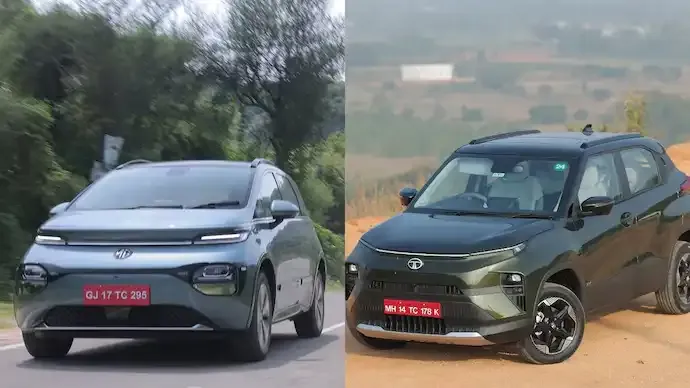

Electric vehicles are often discussed in terms of technology, sustainability, and performance figures, but long-term ownership can also reshape how drivers think about mobility itself. Spending extended time behind the wheel of modern electric cars has gradually transformed perceptions around driving style, comfort, and efficiency, challenging many traditional assumptions associated with internal combustion engines.
Initial hesitation around EVs usually stems from familiar concerns such as limited range, lack of engine sound, and doubts about driving excitement. However, prolonged exposure to electric mobility highlights advantages that go beyond environmental benefits. One of the most noticeable changes comes from the dedicated platforms used in many EVs. With battery packs placed beneath the floor, the cabin design becomes more spacious and practical, offering flat floors and improved rear-seat comfort. This architecture allows vehicles to feel larger inside than their exterior dimensions might suggest, creating a new level of practicality for daily use.
Driving dynamics also evolve significantly. Features such as regenerative braking introduce a different relationship between acceleration and deceleration. Instead of relying heavily on the brake pedal, drivers learn to control speed through throttle modulation. Adjustable regeneration levels allow flexibility depending on traffic conditions, encouraging smoother inputs and more predictable movement. Over time, this leads to a calmer and more controlled driving style, especially in urban environments.

Another key adjustment involves mastering the concept of coasting. Electric vehicles reward drivers who anticipate traffic flow and lift off the accelerator earlier, allowing the car to glide efficiently while conserving energy. This approach reduces sudden braking and promotes a more relaxed driving rhythm. As habits change, efficiency becomes a natural part of the driving experience rather than a conscious effort.
The quiet nature of EVs also influences behaviour. Without engine noise, drivers often feel less fatigued on longer journeys, and conversations inside the cabin become easier. At the same time, the absence of traditional auditory cues can make speed feel deceptive. Instant torque and seamless acceleration allow EVs to gather pace quickly, encouraging drivers to rely more on the speedometer than on sound or vibration to judge velocity.
Range anxiety, one of the biggest barriers for first-time EV users, tends to fade with experience. Understanding how battery percentages translate into real-world distance helps drivers develop confidence. Charging habits also redefine the idea of refuelling, shifting the focus from kilometres to energy management and planning charging windows around daily routines.
Ultimately, extended time with electric vehicles encourages patience and smoother driving techniques. Rather than promoting aggressive acceleration, EVs reward anticipation and efficiency. While traditional combustion engines continue to hold emotional appeal for many enthusiasts, electric mobility introduces a quieter, more mindful approach to driving that reshapes how people interact with their cars.









Conversation
Be kind and stay on topic. Comments are moderated; abuse, spam and personal attacks are removed. Report a problem