



India has raised strong concerns over the functioning of the United Nations Security Council's sanctions mechanisms, warning that the Council should not become a platform for pursuing narrow political interests.
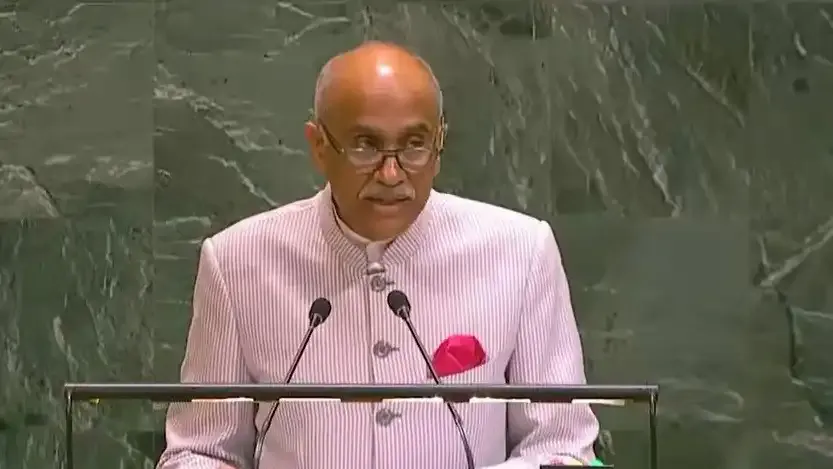
Addressing an open debate on the UN Security Council's working methods, India's Chargé d'Affaires at the Permanent Mission to the UN, Ambassador Yojna Patel, called for greater transparency, objectivity and accountability in decisions related to the listing and de-listing of terrorists and terror entities.
India also highlighted delays in appointing chairs of key Security Council subsidiary bodies and renewed its demand for broader reforms in the functioning and structure of the UNSC.

India Questions Political Influence in Terror Sanctions
India said membership of the Security Council comes with significant responsibilities and should not be used to advance political agendas.
Patel stressed that decisions related to terrorist designations must be based on objective criteria and supporting evidence rather than political considerations.
India has repeatedly raised concerns over the lack of transparency in the functioning of UN sanctions committees, particularly when proposals to designate terrorists or terror organisations are blocked or placed on technical hold.
While successful listings are made public, India has argued that there is limited transparency regarding the reasons behind rejected or blocked proposals.
India Raises Concerns Over Terrorist De-Listing
India also warned against attempts to use political influence to remove terrorists from sanctions lists or designate organisations as terrorist entities without sufficient evidence.
New Delhi has previously described the blocking of evidence-backed proposals through procedural mechanisms as a form of “disguised veto”, arguing that such practices undermine the global fight against terrorism.
India has faced obstacles in its attempts to secure UN sanctions against Pakistan-based terrorists, with China previously placing holds on or blocking some designation proposals at the Security Council.
The issue has been particularly relevant to the functioning of the UNSC 1267 Al-Qaida and Taliban Sanctions Committee, which deals with sanctions against individuals and entities linked to terrorism.
Delay in Appointing UNSC Subsidiary Body Chairs
India also expressed concern over the continued delay in appointing chairs and vice-chairs of the Security Council's subsidiary bodies.
According to India, eight months into 2026, the appointments for several subsidiary bodies, including key sanctions committees, were yet to be finalised.
Patel said the delay was affecting the ability of these bodies to effectively implement Security Council mandates and called for a definitive and non-negotiable timeline for finalising such appointments.
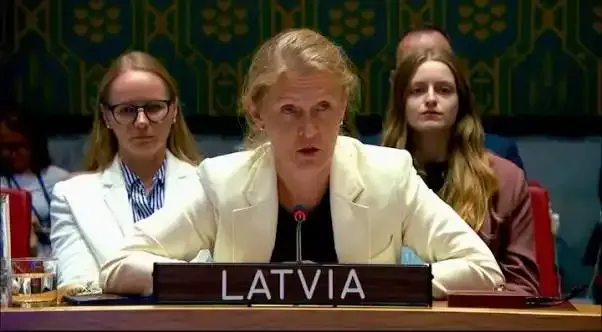
Denmark, which holds the UN Security Council presidency for August, also described the delay as unprecedented and warned that it was affecting the Council's effectiveness, credibility and institutional integrity.
India Pushes for Greater Role for Elected UNSC Members
India further called for greater transparency and participation for the Security Council's elected non-permanent members.
It argued that elected members, and by extension the wider UN General Assembly, should have a stronger role in important institutional processes, including matters connected to the selection of the UN Secretary-General.
Currently, the UN Secretary-General is appointed by the 193-member General Assembly following a recommendation from the Security Council, where the five permanent members — China, France, Russia, the United Kingdom and the United States — hold veto powers.
‘The World of 1945 Has Changed’
India once again used the debate to press for comprehensive reform of the UN Security Council.
Pointing to the transformation of the global order since the creation of the United Nations after World War II, Patel argued that the Council's structure and working methods must reflect contemporary geopolitical realities.
India noted that UN membership has expanded significantly since 1945 and said the composition and functioning of the Security Council cannot remain unchanged indefinitely.
The intervention underlined India's broader demand for a more representative, transparent and effective Security Council, while also calling for reforms in sanctions procedures and subsidiary bodies.
India's message at the UN was clear: counterterrorism mechanisms must be driven by evidence and objective standards, not geopolitical calculations or narrow political interests.






Conversation
Be kind and stay on topic. Comments are moderated; abuse, spam and personal attacks are removed. Report a problem