

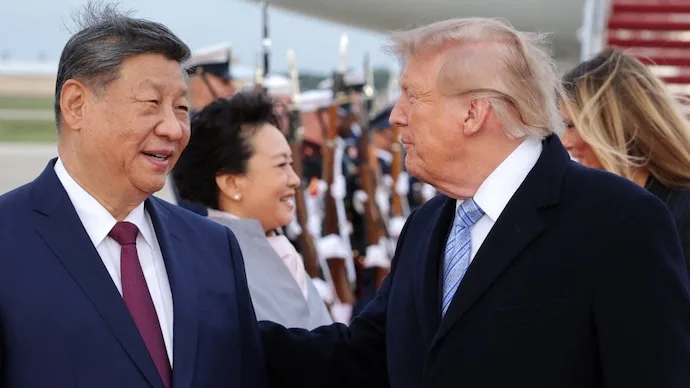

A reported China advanced AI chips spy campaign involved efforts by the country's intelligence agency to obtain restricted semiconductors and gather information about the global chip industry, according to an investigation published by The New York Times.
The report said China's Ministry of State Security (MSS) established a working group under the leadership of its chief, Chen Yixin, to coordinate the effort. The campaign allegedly involved assisting Chinese companies in acquiring advanced chips, including through smuggling networks, while collecting intelligence on semiconductor manufacturers and international supply chains.
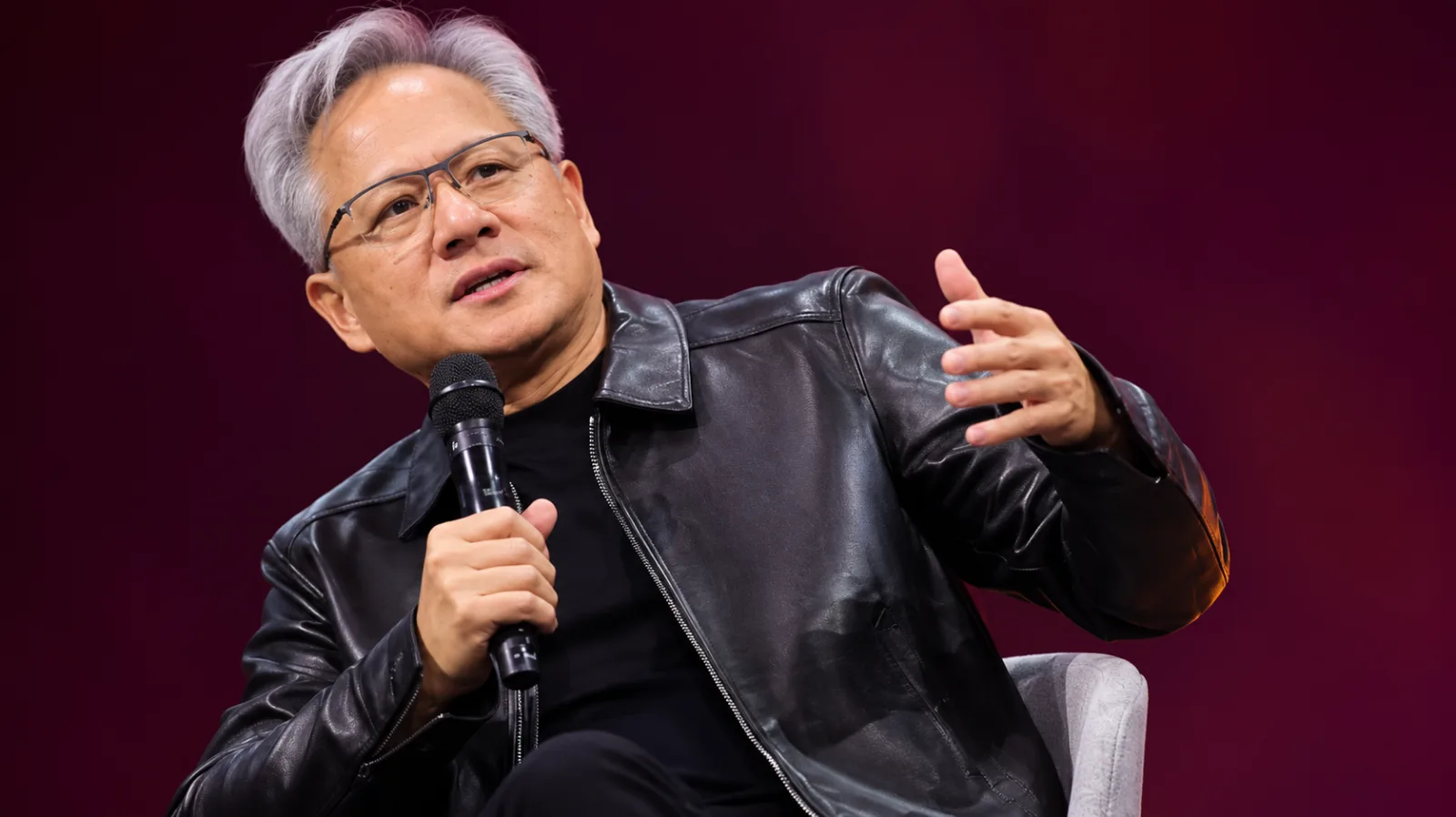
The revelations come amid increased US scrutiny of Chinese businesswoman Alice Huang, who American officials have alleged had links to China's intelligence agency and efforts to gather information about Nvidia co-founder Jensen Huang.

China has rejected the espionage allegations, describing them as "pure fabrication".
Xi Jinping's Push for Technological Self-Reliance
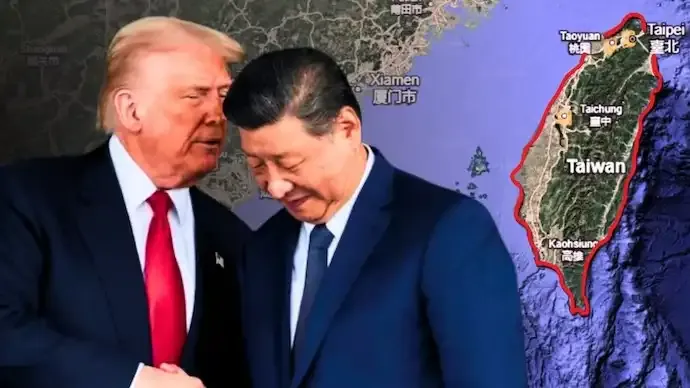
According to the report, the intelligence campaign forms part of President Xi Jinping's broader strategy to reduce China's dependence on foreign technology and overcome export restrictions imposed by the United States and its allies.
The Central Science and Technology Commission, established in 2023 and led by Politburo Standing Committee member Ding Xuexiang, is reportedly coordinating the wider technological push at the Communist Party level.
Chen Yixin, who became China's state security minister in late 2022, has also called for stronger efforts against Western technology restrictions.
In April, he reportedly urged the country to intensify its response to technological blockades while advancing innovation, industrial development and artificial intelligence applications.
Investigation Examines Companies Linked to Alice Huang's Family
A separate investigation published on November 20 examined business connections involving companies associated with Alice Huang's family, Nvidia partners and Chinese defence contractors.
Citing a confidential analysis by intelligence firm Strider Technologies and corporate filings, the report estimated that approximately $3.6 billion in Chinese government funding had flowed through companies associated with Huang's family or business associates.
The funding reportedly supported technology projects, including data centres that received Nvidia chips. However, the investigation did not establish whether the Chinese military had actually used computing capacity from those facilities.
The report also examined business relationships involving Huang's sister, Huang Yu, and investor Kang Wei.
One company mentioned was Shanghai-based Century Litong, established in 2023 by Century Longteng, a data centre operator in which an investment firm controlled by Huang Yu reportedly held a 27% stake.
Jiangsu Lettall Electronic subsequently acquired a 90% stake in Century Litong in 2023 and owned the entire company by 2024.
Lettall also owns 80% of Nanjing Jinning Microwave, a manufacturer of components that the company has described as being used in Chinese radar and missile systems.
US Investigates Possible Illegal Nvidia Chip Shipments
Alice Huang operated Megaspeed, a Singapore-based data centre company that reportedly purchased billions of dollars' worth of Nvidia chips and provided high-performance computing services to Chinese businesses.
The US Justice Department is investigating the company over suspected illegal shipments of advanced semiconductors to China.
American officials are also examining whether Megaspeed helped supply Nvidia chips to data centres connected to Chinese military research.
The developments have renewed concerns in Washington about the possibility of restricted computing technology reaching Chinese companies through overseas infrastructure.
US Plans Tighter Controls on Overseas Data Centres
The Trump administration is also seeking to address what it considers a loophole allowing Chinese businesses to access advanced Nvidia chips through data centres located outside China.
According to the report, Washington announced a new rule requiring overseas data centres to obtain government licences before supplying significant volumes of computing power to companies headquartered in countries including China, Russia and Iran.
The restriction is scheduled to take effect in approximately 90 days.
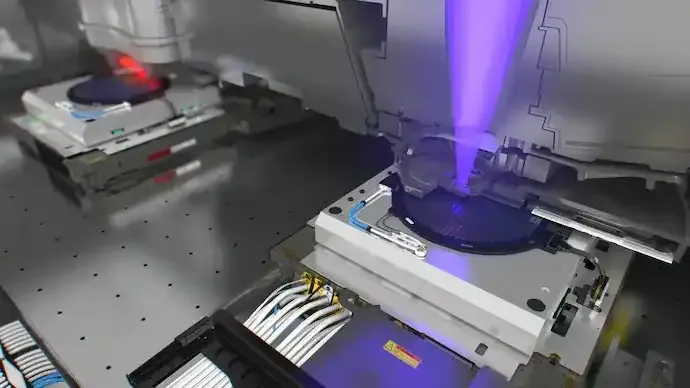
The investigation highlights the growing importance of semiconductor technology in the US-China strategic competition. As both countries pursue advances in artificial intelligence, access to advanced chips and computing infrastructure has become a major focus of national security and economic policy.
Read more: All India Story





Conversation
Be kind and stay on topic. Comments are moderated; abuse, spam and personal attacks are removed. Report a problem