

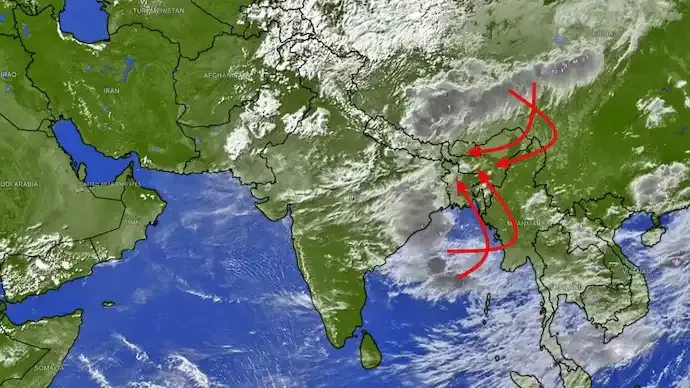

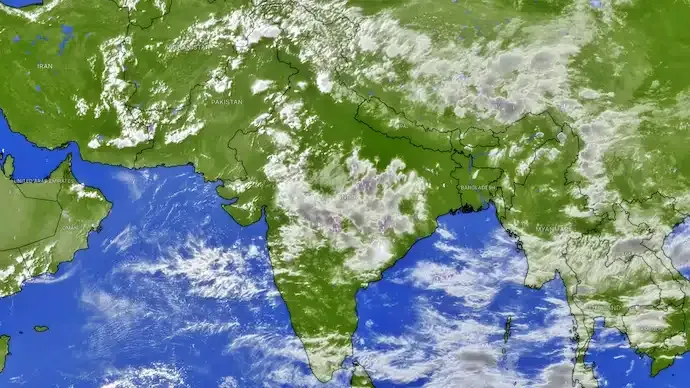
India's southwest monsoon has entered a temporary break phase, leaving large parts of the country waiting for rain while the Northeast prepares for another spell of heavy to very heavy rainfall. According to meteorologists, the contrasting weather pattern is being driven by a northward shift of the monsoon trough and the development of a low-pressure system over the north Bay of Bengal.
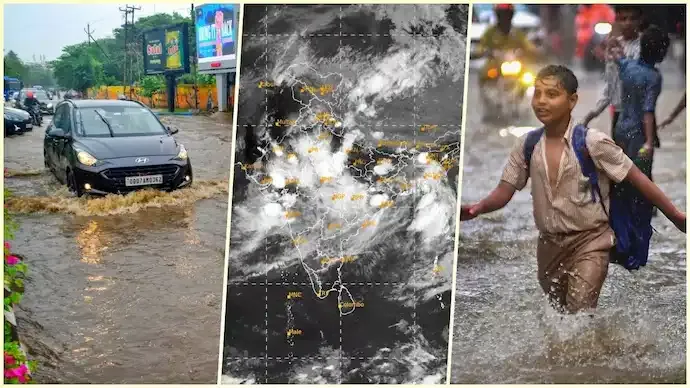
The India Meteorological Department (IMD) has warned that Assam, Meghalaya, Arunachal Pradesh, Nagaland, Manipur, Mizoram and Tripura are likely to witness intense rainfall over the coming days. Some parts of Meghalaya could receive exceptionally heavy rainfall, raising concerns over flooding and landslides in vulnerable areas.
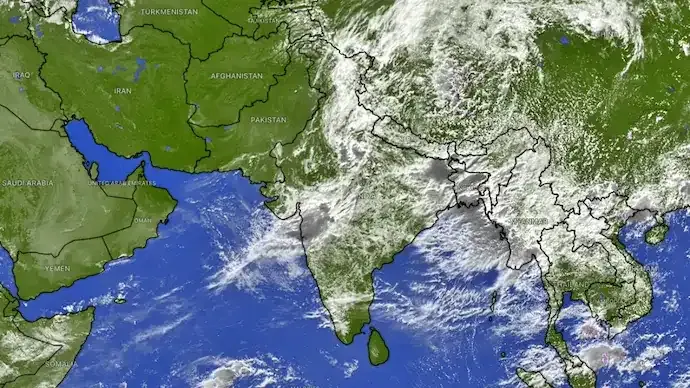
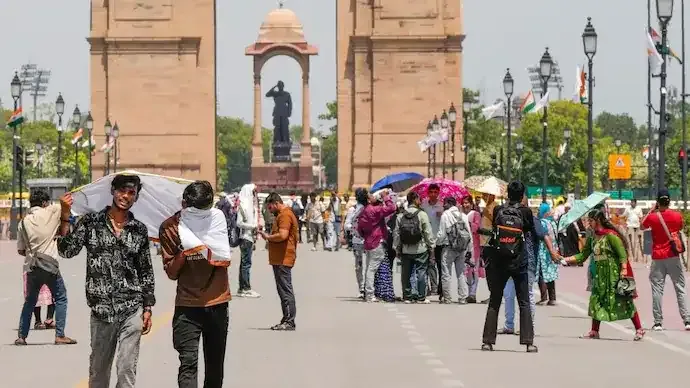
While the Northeast braces for heavy showers, most of central, western and northwestern India continue to experience subdued rainfall. The break in monsoon activity has also resulted in hot and humid conditions across several cities. In Delhi, for example, humidity pushed the heat index, or "feels like" temperature, significantly above the actual air temperature, making outdoor conditions uncomfortable despite moderate readings on the thermometer.

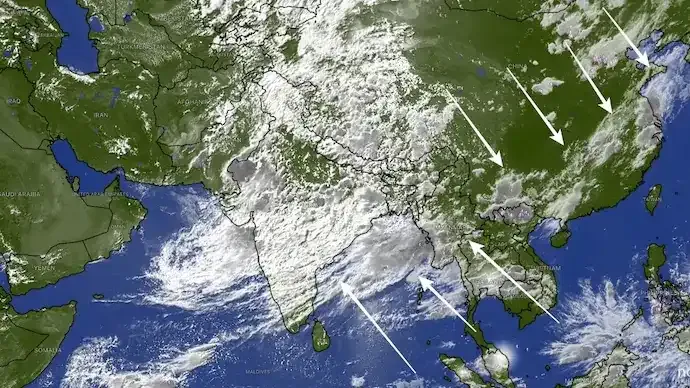
Meteorologists explain that during a monsoon break, the monsoon trough shifts closer to the Himalayan foothills. This reduces cloud formation over much of mainland India while directing moisture-laden winds towards eastern and northeastern states.
The situation has been further intensified by a developing low-pressure system over the Bay of Bengal. As moisture-rich winds move towards the Northeast, they collide with the Himalayan ranges and the Khasi, Garo and Jaintia Hills. This forces the air to rise, cool and condense, producing persistent rainfall through a process known as orographic lifting.
The IMD expects this weather pattern to continue for the next several days, with the Northeast remaining the country's primary rainfall zone. Authorities have advised residents in vulnerable regions to remain alert as continuous rain may trigger flash floods, landslides and waterlogging.
Meanwhile, rainfall is expected to remain below normal across many parts of northwestern, central and western India until fresh weather systems emerge over the Bay of Bengal later this month. Weather experts believe the monsoon is likely to regain strength once these systems move inland.
The current conditions highlight the uneven nature of India's monsoon season, with one part of the country facing an excess of rainfall while another continues to wait for widespread showers.
Key Highlights
- Southwest monsoon has entered a break phase across much of India.
- Heavy to very heavy rainfall is expected over several northeastern states.
- A low-pressure system over the Bay of Bengal is strengthening rainfall activity.
- Delhi and many other regions continue to experience hot, humid weather.
- Meteorologists expect the current pattern to continue until fresh weather systems develop later this month.
FAQs
Why is most of India not receiving monsoon rainfall?
The monsoon trough has shifted northwards towards the Himalayan foothills. This limits cloud formation over central, western and northwestern India, leading to a temporary pause in widespread rainfall.
Which states are expected to receive heavy rain?
The IMD has forecast heavy to very heavy rainfall over:
- Assam
- Meghalaya
- Arunachal Pradesh
- Nagaland
- Manipur
- Mizoram
- Tripura
Parts of West Bengal and the foothills of Bihar may also receive heavy rainfall.
Why is the Northeast receiving so much rain?
A low-pressure system over the north Bay of Bengal is pushing moisture-laden winds towards the Northeast. When these winds collide with the Himalayan ranges and the Khasi, Garo and Jaintia Hills, they rise rapidly, cool and produce intense rainfall through orographic lifting.
Why does Delhi feel hotter despite lower temperatures?
High humidity prevents sweat from evaporating efficiently, making temperatures feel much higher than the actual air temperature. This is measured using the heat index or "feels like" temperature.
When is the monsoon expected to revive?
Meteorologists expect rainfall to return to other parts of the country after new weather systems move inland from the Bay of Bengal later this month.




Conversation
Be kind and stay on topic. Comments are moderated; abuse, spam and personal attacks are removed. Report a problem