
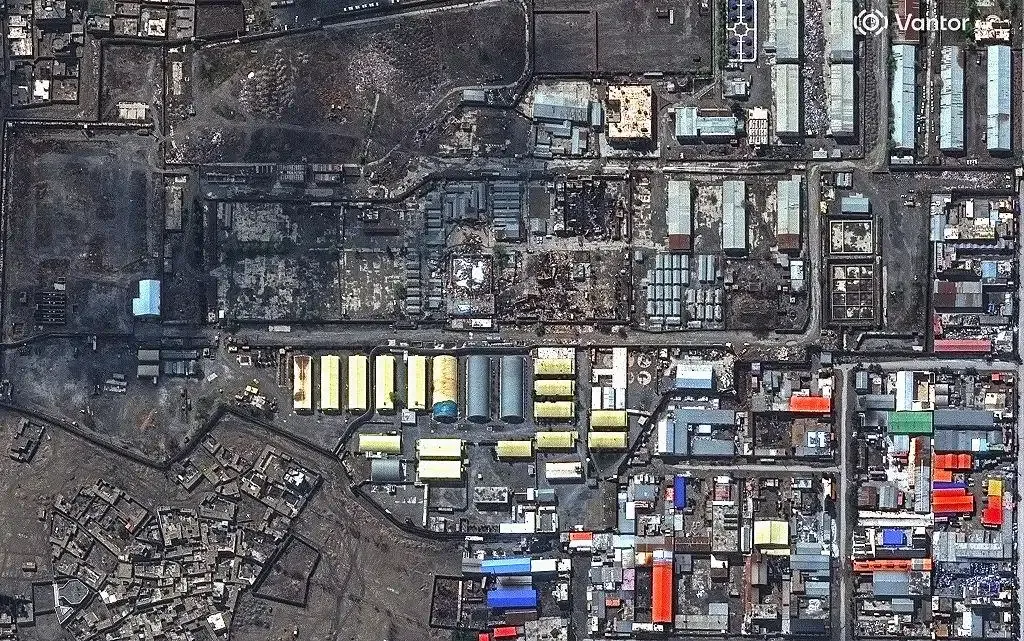
Recent satellite images have revealed the scale of destruction following a deadly airstrike on a hospital in Kabul, Afghanistan. The visuals provide a clearer picture of the damage caused to infrastructure and surrounding areas after the attack.
The incident has drawn international attention due to its severity and the reported loss of civilian lives.
Conflicting Reports on Casualties
Initial reports claimed that at least 400 people were killed and over 250 injured in the airstrikes carried out on February 20 and 21. However, the United Nations Assistance Mission in Afghanistan has provided a lower estimate, stating that around 143 people lost their lives.
The difference in figures highlights the complexity of verifying information in conflict zones.
Strike Linked to Cross-Border Tensions
The strikes reportedly took place in Afghanistan’s Nangarhar province and were linked to escalating tensions in the region. Pakistan stated that the operation was aimed at targeting terrorist camps and was carried out in response to attacks within its territory.
However, the reported damage to a hospital has raised serious concerns about civilian safety and the nature of the targets.
Damage to Civilian Infrastructure
Satellite imagery indicates significant destruction in and around the hospital premises. Buildings appear heavily damaged, with structural collapse visible in multiple areas.

Such damage to civilian infrastructure has intensified scrutiny and concern from international observers and human rights groups.
Global Concerns Over Civilian Safety
The incident has sparked debate over the impact of military operations on civilian populations. Attacks involving hospitals and medical facilities are particularly sensitive, as they are protected under international humanitarian laws.
The situation has renewed calls for accountability and adherence to global norms during armed conflicts.
Rising Tensions in the Region
The airstrike is part of a broader pattern of escalating tensions in the region, with cross-border operations becoming more frequent.
Such developments raise concerns about stability and the potential for further conflict, which could have wider geopolitical implications.
Role of Satellite Evidence
Satellite images are increasingly playing a crucial role in conflict reporting. They provide independent verification of events and help in assessing the scale of damage when on-ground access is limited.
In this case, the images have become central to understanding the extent of the strike and its consequences.
Calls for Investigation
International organisations and observers are expected to call for a detailed investigation into the incident. Establishing facts and accountability will be key to addressing concerns raised by the global community.
The event highlights the importance of transparency and responsibility in conflict situations.




Conversation
Be kind and stay on topic. Comments are moderated; abuse, spam and personal attacks are removed. Report a problem