
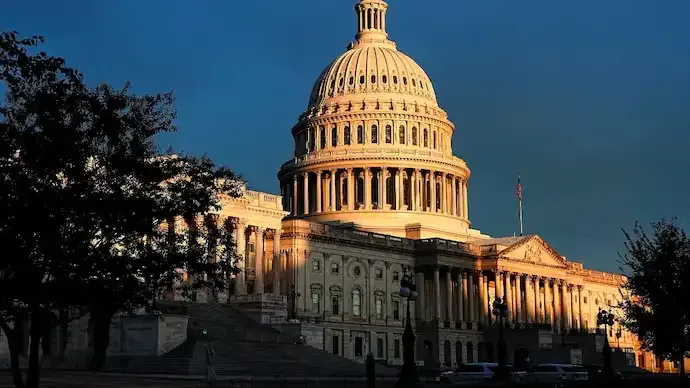
A significant development has emerged in the United States as lawmakers push for official recognition of the 1971 Bangladesh genocide. A resolution introduced in the US House of Representatives seeks to acknowledge the large-scale atrocities committed during the Bangladesh Liberation War.
The move reflects growing international attention toward historical injustices and the need for formal acknowledgment.
Resolution Introduced by US Representative
The resolution was introduced by Greg Landsman, who called for the United States to formally recognize the events of 1971 as genocide, war crimes, and crimes against humanity.
The proposal highlights the scale of violence and emphasizes the importance of recognizing these events at an official level.
Focus on Operation Searchlight
The resolution specifically refers to Operation Searchlight, a military operation carried out during the Bangladesh Liberation War.
This operation is widely associated with mass killings, widespread violence, and large-scale displacement. The resolution points to the systematic targeting of civilians during this period.
Targeted Violence Against Bengali Hindus
The document also draws attention to the targeted violence against Bengali Hindus, who were among the most affected communities during the conflict.
Reports from that time indicate instances of mass killings, sexual violence, and forced displacement, which the resolution seeks to formally acknowledge.
Call for Accountability
In addition to recognition, the resolution calls for accountability for those responsible for the atrocities. It urges action against perpetrators and collaborators, including references to groups accused of supporting the violence.
The move underscores the importance of justice and historical accountability in addressing past conflicts.
Political Context of the Resolution
The proposal was introduced in a politically divided environment within the US House, where voting often reflects party alignments. Despite this, the resolution highlights bipartisan awareness of human rights issues.
The initiative signals a broader effort to address historical events through legislative action.
Global Significance of Recognition
Formal recognition of the 1971 events by a major global power like the United States could have significant international implications. It may influence global discourse on human rights and encourage further acknowledgment by other countries.
Such recognition is also seen as an important step toward preserving historical memory.
Renewed Focus on Historical Justice
The resolution reflects a growing global trend of revisiting historical conflicts and seeking justice for victims. By acknowledging past atrocities, policymakers aim to promote accountability and prevent similar events in the future.
The push for recognition of the Bangladesh genocide marks an important moment in the ongoing conversation around human rights and historical truth.


Conversation
Be kind and stay on topic. Comments are moderated; abuse, spam and personal attacks are removed. Report a problem