

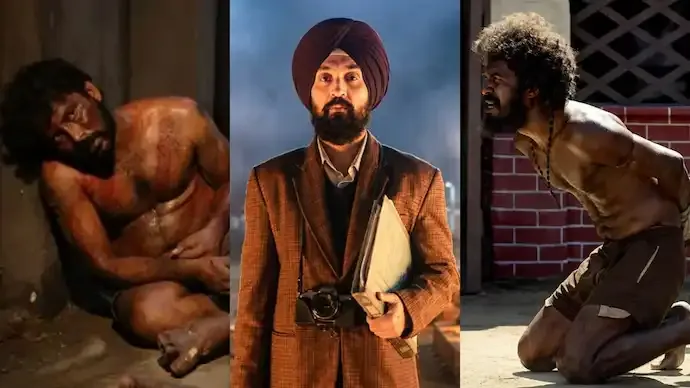

Diljit Dosanjh's Satluj is more than a biographical drama. Inspired by the life of human rights activist Jaswant Singh Khalra, the film examines allegations of illegal cremations, custodial killings and enforced disappearances during Punjab's militancy years. Rather than portraying violence as isolated acts, it questions how institutions can normalise abuse of power.
If Satluj left you reflecting on state power, justice and accountability, Indian cinema has several other films that explore similar themes. From custodial torture and fake encounters to caste discrimination and political interference, these films present hard-hitting stories that expose the darker side of law enforcement.
Key Highlights
- Satluj joins a growing list of Indian films exploring police excesses.
- Several movies are inspired by real incidents and landmark legal cases.
- Themes include custodial torture, fake encounters, caste violence and institutional corruption.
- The list covers Tamil, Hindi, Malayalam and Marathi cinema.
1. Visaaranai (2016)
Language: Tamil

Often regarded as one of India's most disturbing films on custodial violence, Visaaranai follows four migrant labourers who are arrested for a crime they did not commit.
The men are brutally tortured until they confess, exposing how fabricated cases, forced confessions and police corruption operate within the justice system. Inspired by a real-life account, the film avoids sensationalism and instead presents violence as an accepted part of institutional functioning.
Why watch: One of the most realistic depictions of police torture ever made in Indian cinema.
2. Jai Bhim (2021)
Language: Tamil
Inspired by a landmark legal case, Jai Bhim follows an Irula tribal woman who fights for justice after her husband disappears from police custody.
As the investigation unfolds, the film exposes custodial torture, caste discrimination and systemic bias against marginalized communities. Led by a powerful courtroom narrative, it remains one of the most acclaimed social dramas in recent years.
Why watch: A compelling legal drama that highlights how caste and policing intersect.
3. Karnan (2021)
Language: Tamil
Directed by Mari Selvaraj, Karnan explores how caste oppression and state violence reinforce each other.
Set in a fictional village inspired by real events, the story follows a young man who challenges systemic discrimination. His resistance is met with brutal police retaliation, making the film a powerful commentary on structural violence.
Why watch: A striking blend of social realism, symbolism and political commentary.
4. Nayattu (2021)
Language: Malayalam
Unlike conventional police dramas, Nayattu follows three police officers who become victims of the very system they once served.
After a politically sensitive incident, they are forced to flee while powerful interests manipulate the investigation. The film demonstrates how truth can quickly become secondary to political convenience.
Why watch: A gripping thriller about institutional survival and political pressure.
5. Santosh (2024)
Language: Hindi
Directed by Sandhya Suri, Santosh follows a young widow who joins the police force after her husband's death.
Assigned to investigate the murder of a Dalit girl, she gradually witnesses how caste prejudice, gender discrimination and institutional bias shape criminal investigations. Rather than focusing only on physical violence, the film examines how prejudice becomes embedded within policing itself.
Why watch: A thought-provoking examination of power, caste and policing.
6. Mai Ghat: Crime No. 103/2005 (2019)
Language: Marathi
Based on a true story, this courtroom drama follows a mother's years-long struggle for justice after her son dies in police custody.
Instead of focusing on the violence itself, the film highlights the emotional toll of a prolonged legal battle and the resilience required to pursue accountability against powerful institutions.
Why watch: A deeply emotional story inspired by one of India's most significant custodial death cases.
7. Article 15 (2019)
Language: Hindi
Inspired by real incidents, Article 15 follows an IPS officer investigating the disappearance and murder of Dalit girls in rural Uttar Pradesh.
The film explores discrimination within policing, institutional apathy and the social realities that allow injustice to persist. Its central message is rooted in constitutional equality and the need for accountability.
Why watch: A socially relevant thriller that places caste and institutional bias at the heart of its narrative.
Why Satluj Stands Out
While many films examine police brutality through investigations or courtroom battles, Satluj focuses on documenting the lives that disappeared without answers.
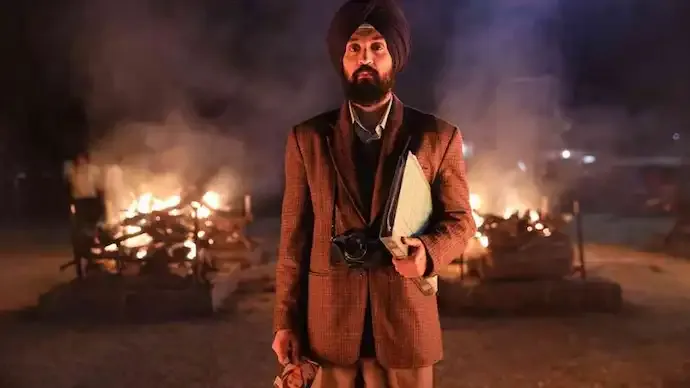
Instead of framing the story as a conventional crime drama, it follows Jaswant Singh Khalra's efforts to uncover records, identify victims and seek accountability for alleged illegal cremations. The film raises difficult questions about memory, justice and the responsibility of democratic institutions.
FAQs
What is Satluj about?
Satluj is a biographical drama based on human rights activist Jaswant Singh Khalra, who investigated allegations of illegal cremations and enforced disappearances during Punjab's militancy period.
Which is the best Indian film on police brutality?
Visaaranai is widely regarded as one of the finest Indian films depicting custodial violence, while Jai Bhim and Article 15 are also highly acclaimed.
Are these films based on real events?
Many of them draw inspiration from documented incidents, legal cases or historical events, including Jai Bhim, Visaaranai, Article 15 and Mai Ghat.
Which OTT platforms have these films?
Availability varies by platform and region, so viewers should check current streaming services for the latest listings.
Why has Satluj generated so much discussion?
The film revisits a sensitive chapter of Punjab's history through the work of Jaswant Singh Khalra and has been widely discussed following its release and subsequent removal from ZEE5.
Conclusion
Indian cinema has repeatedly explored difficult questions surrounding police power, custodial violence and institutional accountability. While each film approaches these themes differently, they collectively encourage viewers to examine justice beyond courtrooms and headlines. If Satluj sparked your interest in these issues, these seven films offer equally compelling perspectives on the human cost of unchecked authority.







Conversation
Be kind and stay on topic. Comments are moderated; abuse, spam and personal attacks are removed. Report a problem