
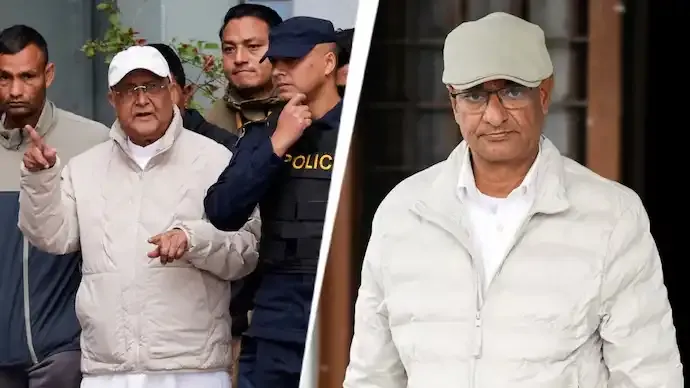
Nepal’s Supreme Court has denied bail to former Prime Minister KP Sharma Oli and former Home Minister Ramesh Lekhak, marking a significant development in the ongoing legal proceedings against them.
The decision means both leaders will remain in police custody as investigations continue into their alleged involvement in a deadly crackdown on protests that took place in 2025.
No Immediate Relief from Top Court
The court’s order clearly states that there will be no immediate relief for the two senior political figures. Their bail pleas were rejected following hearings that examined the seriousness of the allegations.
Both Oli and Lekhak were arrested during pre-dawn raids on March 28, in an operation that drew considerable attention within Nepal’s political landscape.
Background of the Case
The case is linked to a violent crackdown on protests in 2025, which led to widespread unrest and eventually resulted in a major political shift in the country.
The protests played a key role in reshaping Nepal’s leadership, leading to new elections and changes in governance. Authorities are now investigating the actions taken during that period.
Political Developments Following Arrests
The arrests came shortly after a new government was formed following elections held after the 2025 uprising. The timing has added to the political significance of the case.
The developments have intensified political debates in Nepal, with different groups expressing varying views on the legal action against former leaders.
Show-Cause Notice Issued
Along with rejecting bail, the Supreme Court has issued a show-cause notice to the government. This indicates that the court is seeking further clarification on aspects of the case.
The notice is expected to play an important role in shaping the next phase of legal proceedings.
Impact on Nepal’s Political Landscape
The decision has had a major impact on Nepal’s political environment. The continued custody of two prominent leaders is likely to influence ongoing political discussions and alignments.
Observers believe the case could have long-term implications for governance and accountability in the country.
What Happens Next
The legal process is expected to continue, with further hearings and investigations likely in the coming weeks. The outcome of the case will be closely watched both within Nepal and internationally.
As the situation evolves, it remains a key development in South Asia’s political landscape.




Conversation
Be kind and stay on topic. Comments are moderated; abuse, spam and personal attacks are removed. Report a problem