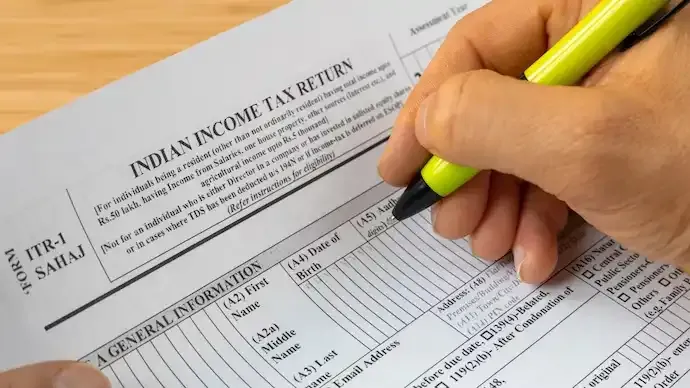
Many taxpayers assume that once an income tax return (ITR) is filed, it cannot be changed. However, the Income Tax Department recognises that genuine mistakes can occur and allows taxpayers to correct them by filing a revised return within a specified time window.
With the original ITR filing deadline already over, taxpayers still have an opportunity to review their returns and fix errors related to income reporting, deductions, tax calculations or even the selection of the wrong ITR form.
Why revised returns are allowed
Errors in ITR filings are common and may arise due to missed income sources, incorrect deduction claims or calculation mistakes. To address such situations, the Income-tax Act provides a mechanism to revise returns, provided the corrections are genuine and made within the prescribed timeline.
The tax department has clarified that revisions are meant solely for rectifying omissions or mistakes and not for making arbitrary changes after scrutiny has begun.
How many times can an ITR be revised?
According to tax expert Suresh Surana, there is no limit on the number of times an income tax return can be revised, as long as each revision is filed within the permitted time frame.
Under Section 139(5) of the Income-tax Act, 1961, a revised return can be filed any number of times before three months prior to the end of the relevant assessment year or before the completion of assessment by the tax authorities—whichever is earlier.
Can belated returns be revised?
Contrary to popular belief, even belated returns filed under Section 139(4) can be revised. Taxpayers who missed the original due date are still allowed to correct mistakes, provided the revision is made within the same statutory deadline applicable to revised returns.
How to file a revised return
To file a revised ITR, taxpayers must log in to the Income Tax Department’s e-filing portal, select the option to file a revised return for the relevant assessment year, and enter the acknowledgement number and filing date of the original return.
After making the necessary corrections, the revised return must be submitted and e-verified to complete the process.
What taxpayers should do now
With limited time remaining, experts advise taxpayers to carefully recheck their returns, reconcile income details, verify deductions and act promptly if corrections are required. Filing a revised return in time can help avoid notices, penalties and delays in refunds.