

Former England captain Nasser Hussain has sparked debate across the cricketing world after voicing strong support for Bangladesh and Pakistan during the ongoing controversy surrounding the ICC Men's T20 World Cup 2026. The ex-cricketer criticised the handling of the situation by the International Cricket Council and the Board of Control for Cricket in India, arguing that consistent governance remains a major challenge in modern international cricket.
Speaking during a discussion with fellow former England captain Michael Atherton, Hussain questioned whether cricket’s global governing body applies the same standards to all nations. According to him, the current uncertainty highlights the growing imbalance in world cricket, where financially powerful boards often shape decisions that affect smaller teams.
Hussain Praises Boards for Standing Firm
Hussain said he respected the stance taken by Bangladesh and Pakistan amid escalating tensions before the tournament. He noted that both teams appeared willing to prioritise their players’ interests even if it meant sacrificing participation or facing criticism.
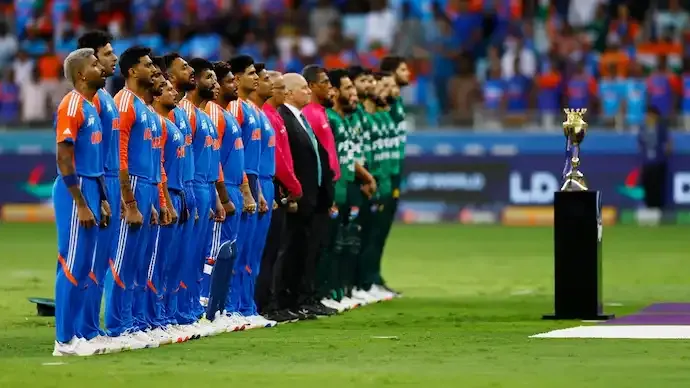
The controversy intensified after Bangladesh declined to travel for their scheduled fixtures, followed by Pakistan’s announcement that it would boycott a high-profile group-stage match against India. These developments have added significant uncertainty to the tournament build-up and sparked conversations about fairness and governance within global cricket.
Hussain emphasised that cricket boards should be treated equally regardless of their financial strength or influence. He warned that perceived double standards could harm the competitive balance of the sport and widen the gap between major cricketing powers and emerging nations.
Debate Over ICC Governance Intensifies
The former England skipper also questioned how the ICC might react if a major team faced similar restrictions or travel concerns. His comments have reignited long-standing debates about the concentration of power in international cricket, particularly as commercial revenues increasingly shape decision-making processes.
Critics argue that stronger boards have greater leverage due to their financial contributions to the sport, while supporters claim their influence helps sustain global tournaments and broadcast deals. Hussain’s remarks add to a growing chorus of voices calling for transparency and consistency in cricket administration.
Neutral Venue Solutions Under Scrutiny
The controversy comes despite earlier efforts to reduce political tensions through neutral venues for high-profile matches. However, Pakistan’s decision not to play India even at a neutral location has raised fresh questions about whether such compromises can truly resolve longstanding disputes.
Analysts say the situation reflects how cricket often intersects with broader political realities, making scheduling decisions more complex than purely sporting considerations. With the tournament fast approaching, administrators now face mounting pressure to find solutions that preserve competitive integrity while addressing concerns raised by participating teams.
Calls for Focus to Return to Cricket
Hussain concluded by stressing that while boards have the right to defend their players, the ultimate goal should be to ensure the sport itself does not suffer. He said fans around the world want to see competitive matches rather than administrative disputes dominating headlines.
As preparations continue, the debate over governance, fairness and financial influence remains central to discussions around the T20 World Cup. Whether the ICC can balance competing interests while maintaining unity among cricketing nations may ultimately shape not only the tournament’s success but also the future structure of international cricket.




Conversation
Be kind and stay on topic. Comments are moderated; abuse, spam and personal attacks are removed. Report a problem