

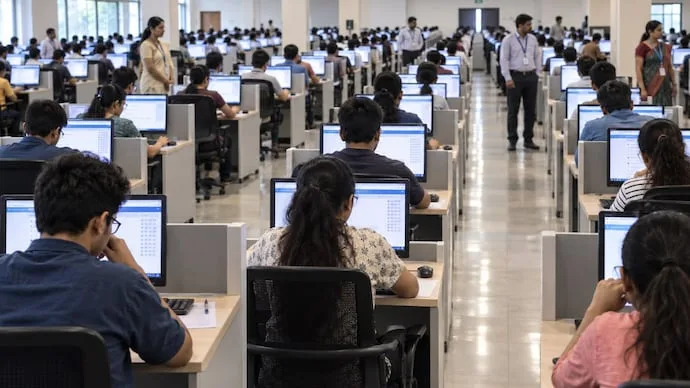
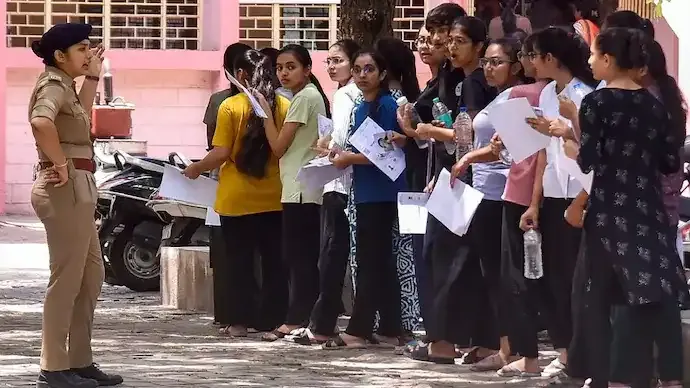
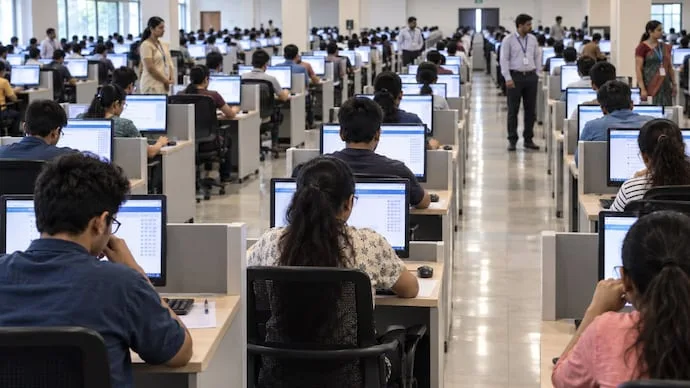
India's NEET UG is among the world's largest examinations, with around 25 lakh candidates, according to a new SBI Research report. The report compares major examinations across countries and examines how large testing systems manage security, staffing, accountability and candidate grievances.
China's Gaokao tops the list with around 1.29 crore candidates in 2026. Brazil's ENEM follows with about 48 lakh candidates, while China's national civil-service examination recorded around 37 lakh and its national master's entrance exam around 34 lakh candidates.
NEET UG, with approximately 25 lakh candidates, is placed fifth in the global comparison. Other major examinations include Turkiye's YKS with around 24 lakh candidates, Nigeria's UTME with 22 lakh and the SAT with about 20 lakh.
What India can learn from global exams
The report highlights China's Gaokao as an example of how a massive examination system can build multiple layers of security and operational planning. In 2026, the examination had 7,981 centres, 3.48 lakh examination rooms and 21,000 reserve rooms.
Its security measures include secure printing facilities, surveillance, monitored transportation of question papers, police escorts and controlled storage. Candidate identity and prohibited-item checks are also part of the process.
The report points to these arrangements as potential lessons for India, particularly around secure custody of examination material, transparent evaluation, contingency planning and grievance redressal.
SBI Research proposes NTA reforms
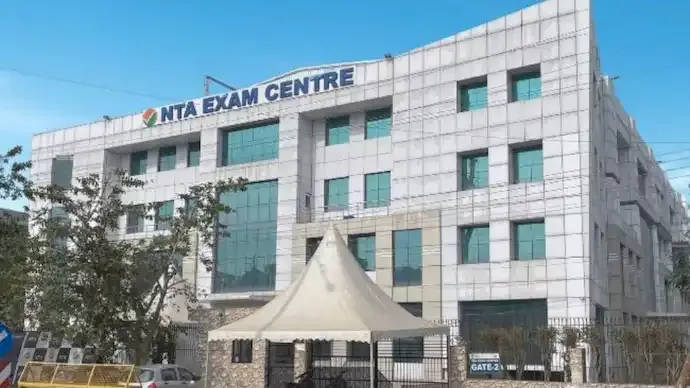
The comparison comes as India continues to examine the functioning of the National Testing Agency. According to the report, NTA had conducted more than 240 examinations involving over 5.4 crore candidates by July 2024.
SBI Research recommends giving NTA a stronger statutory foundation through an NTA Act of Parliament. It also proposes an expert board, a permanent professional workforce, independent review mechanisms, a candidate charter and greater public accountability.
The report argues that managing examinations involving millions of candidates requires institutional capacity to match the scale of the tests themselves.


Conversation
Be kind and stay on topic. Comments are moderated; abuse, spam and personal attacks are removed. Report a problem