

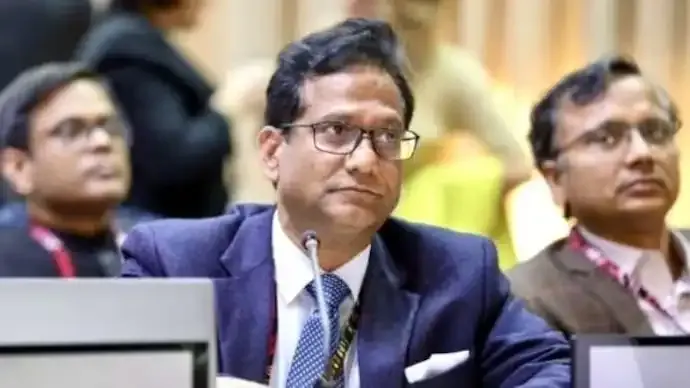

Senior IAS officer Naresh Pal Gangwar has assumed charge as Higher Education Secretary, succeeding Vineet Joshi at a time when India's higher education system is undergoing significant reforms and facing heightened scrutiny over examination integrity.
His appointment comes amid ongoing debates surrounding NEET, CUET, the functioning of the National Testing Agency (NTA) and the implementation of several key initiatives under the National Education Policy (NEP) 2020.
While several reforms have been initiated over the past few years, many structural changes remain incomplete, placing a substantial policy agenda before the new Higher Education Secretary.

Leadership Change Comes at a Crucial Time
The Department of Higher Education is currently balancing two major priorities: addressing concerns over the credibility of national entrance examinations and advancing long-pending reforms envisioned under NEP 2020.
With discussions on examination reforms continuing across the country, Gangwar is expected to oversee both immediate administrative challenges and long-term policy implementation.
Five Major Reforms Await Implementation
1. Single Higher Education Regulator
One of the central proposals under the National Education Policy is the creation of a unified higher education regulator.
The proposed Viksit Bharat Shiksha Adhishthan (VBSA) Bill seeks to streamline the regulatory framework by bringing multiple regulatory functions under a single umbrella institution.
However, the Bill is currently under examination by a Joint Parliamentary Committee, with discussions continuing on issues such as institutional autonomy, governance and funding.
2. New Governance Structure for Higher Education
The NEP also proposes separating higher education governance into four independent pillars responsible for:
- Regulation
- Accreditation
- Funding
- Academic standards
Although consultations have continued, the transition to this new framework has not yet been completed, leaving universities to operate under overlapping regulatory systems.
3. Academic Bank of Credits (ABC)
The Academic Bank of Credits (ABC) has already been introduced, enabling students to digitally store academic credits.
However, seamless implementation remains a work in progress.
Many institutions are yet to fully implement:
- Credit portability
- Multiple entry and exit options
- Interdisciplinary mobility
- Smooth transfer of academic credits between universities
As a result, students continue to face challenges when transferring between institutions.
4. Foreign Universities in India
The University Grants Commission (UGC) has framed regulations allowing leading international universities to establish campuses in India.
While a few institutions have announced plans, broader implementation has progressed slowly due to concerns related to:
- Regulatory clarity
- Academic autonomy
- Infrastructure availability
- Financial feasibility
Expanding the participation of globally reputed universities remains an important long-term objective.
5. Examination and Digital Reforms
Among the most immediate priorities is strengthening India's examination ecosystem.
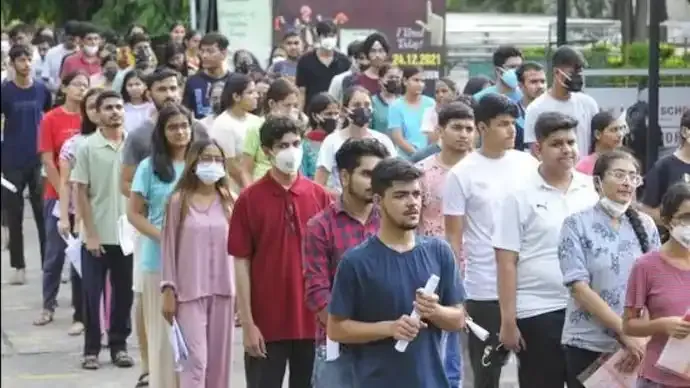
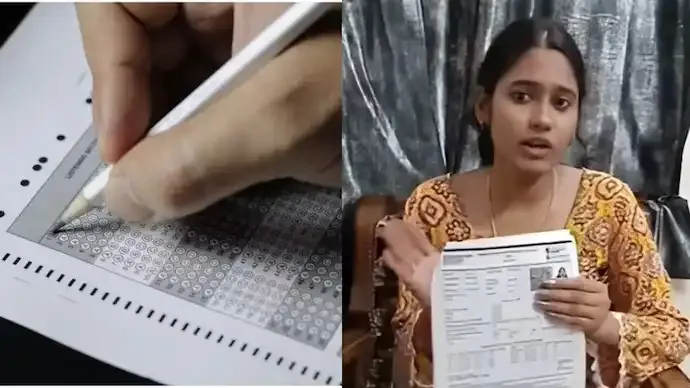
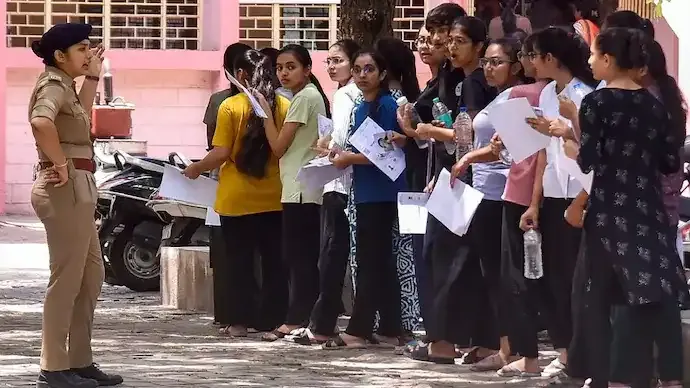
Recent controversies surrounding entrance examinations have increased the focus on reforms involving:
- National Testing Agency (NTA)
- NEET UG
- CUET
- Secure digital examination systems
- Technology-driven evaluation
- Transparency and accountability in examination processes
The government has already indicated plans to improve examination governance and modernise testing infrastructure.
Focus on Restoring Confidence
The new Higher Education Secretary assumes office at a time when restoring confidence in India's examination system has become a major policy priority.
Alongside examination reforms, the Department of Higher Education is also expected to accelerate implementation of structural reforms outlined in the National Education Policy.
The pace at which these initiatives move forward will have significant implications for universities, students and the future governance of higher education in India.
Key Highlights
- Naresh Pal Gangwar has taken charge as Higher Education Secretary.
- He succeeds Vineet Joshi during a crucial phase for higher education reforms.
- Major pending reforms include changes to NEET, CUET and the National Testing Agency.
- The proposed VBSA Bill aims to establish a single higher education regulator.
- Academic Bank of Credits implementation continues across institutions.
- Examination reforms and NEP implementation are expected to remain top priorities.
Frequently Asked Questions (FAQs)
Who is the new Higher Education Secretary?
Senior IAS officer Naresh Pal Gangwar has assumed charge as Higher Education Secretary, replacing Vineet Joshi.
Why is his appointment significant?
He takes office while the government is implementing major higher education reforms and addressing concerns over examination integrity.
What are the major pending reforms?
Key reforms include the proposed single higher education regulator, Academic Bank of Credits implementation, governance restructuring, expansion of foreign university campuses and examination reforms involving NEET, CUET and the NTA.
What is the Academic Bank of Credits?
The Academic Bank of Credits is a digital framework designed to enable students to store, transfer and utilise academic credits across participating institutions.
What is the VBSA Bill?
The proposed Viksit Bharat Shiksha Adhishthan Bill seeks to establish a unified higher education regulator by consolidating multiple regulatory functions.
What challenges remain?
Implementation of NEP reforms, examination transparency, digital assessment systems and institutional governance continue to be major priorities for the higher education sector.





Conversation
Be kind and stay on topic. Comments are moderated; abuse, spam and personal attacks are removed. Report a problem