



Prime Minister Narendra Modi has urged India’s fintech sector to move beyond the success of UPI and focus on the next generation of financial innovation, including credit, savings, pensions, insurance, artificial intelligence and emerging technologies.
Addressing the Global Fintech Fest 2026 in Mumbai, Modi said India’s fintech journey has achieved remarkable scale through digital payments, but the sector must now expand its focus to make a wider range of financial services simple, accessible and affordable.
He said India should take its fintech systems and standards to the global stage while using technology to increase financial inclusion and create new opportunities for businesses and consumers.

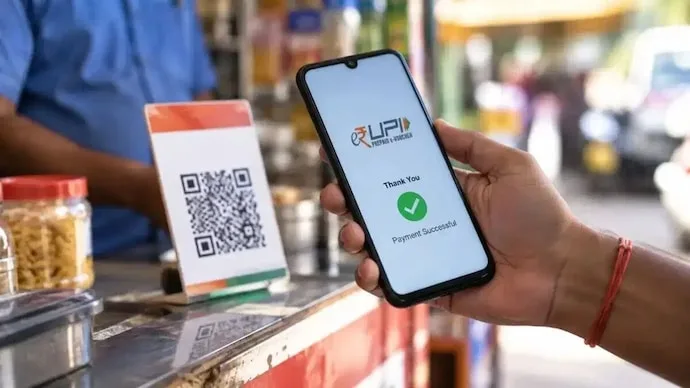
Modi highlighted the role of UPI in transforming India’s digital payments ecosystem and said the country’s fintech story would be incomplete without it. UPI recently completed 10 years, and Modi said the system has helped bring millions of people who were previously outside the formal banking network into the financial system.
According to Modi, UPI recorded more than 2,400 crore transactions in August alone, demonstrating the scale and speed of India’s digital payments ecosystem.
However, he said the next chapter of fintech growth must focus on increasing access to credit and other financial services.
Modi explained that digital payment data could help fintech companies better understand the financial needs of small businesses. A small shop owner receiving regular digital payments may require limited capital to expand operations, purchase goods or invest in equipment, but traditional lending models may not always efficiently serve such requirements.
Fintech companies, he said, can use technology and data to understand these needs and develop suitable credit solutions.
Modi also called for greater attention towards savings, pensions and insurance. He said technology can help delivery workers, small business owners and other sections of society access financial products more easily.
Financial services such as insurance and pension products, he said, should eventually become as simple and seamless to access as making a payment through a QR code.
The Prime Minister also pushed for the expansion of UPI beyond India. He said the country should work towards connecting the payment system with nations that have strong trade links with India or large Indian communities.
Such connectivity could help reduce transaction costs for Indians working overseas and sending money to their families in India, while making cross-border payments faster and more efficient.
Modi said India now has an opportunity to develop its own fintech rules and standards and connect them with global financial systems.
Highlighting the future of the financial technology sector, Modi said 2026 has opened new possibilities through technologies such as agentic AI, tokenisation and quantum technology.
He said the challenge for the fintech industry would be to convert these technological possibilities into practical solutions that create real-world impact.
Modi also outlined four priorities for India’s fintech ecosystem. The first is strengthening cybersecurity to ensure financial systems remain secure as digital transactions continue to grow.
The second priority is the development of strong ethical data protection standards for the fintech industry.
Third, Modi called for a stronger innovation ecosystem involving fintech companies, regulators and the broader industry.
The fourth priority is the creation of a fintech consumer protection index that could provide transparent ratings and help consumers make informed decisions.
Modi said India already has the experience and capabilities needed to take its fintech success to the next level. He added that the sector's growth has been built on scale, technology, secure systems, democratisation and public trust.
Calling on the industry to focus on next-generation innovation, Modi said India must now move quickly to transform new technologies and ideas into meaningful financial solutions for people in India and around the world.







Conversation
Be kind and stay on topic. Comments are moderated; abuse, spam and personal attacks are removed. Report a problem