

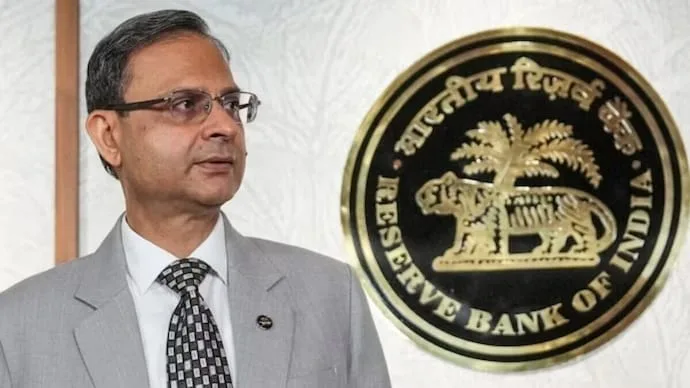

The RBI MPC risks facing India’s economy have come into sharper focus after the Reserve Bank of India raised the repo rate by 25 basis points to 5.50% and shifted its policy stance from neutral to calibrated tightening.
RBI Governor Sanjay Malhotra highlighted several domestic and global factors that could affect inflation and growth, including elevated international oil prices, weak monsoon conditions, El Niño, fragile global financial markets and widening domestic inflation pressures.
Here are five key risks flagged by the RBI.

1. Elevated international oil prices
Higher crude oil prices remain a major concern because they can increase domestic inflation and raise input costs across the economy.
Malhotra said global inflation is expected to rise sharply amid higher energy and food prices. Continued volatility in international oil prices has also been factored into the RBI’s inflation outlook.
2. El Niño and weak monsoon
Deficient and uneven rainfall, combined with strong El Niño conditions, could affect agriculture and rural demand.
The RBI warned that a weak southwest monsoon and El Niño could have an impact on the upcoming Rabi season and urban demand. Food prices are already showing broader pressure across several commodities.
3. Global financial conditions
Global financial markets remain another area of concern. Trade uncertainty, higher bond yields in advanced economies and an appreciating US dollar have contributed to what Malhotra described as nervous and fragile financial conditions.
Further tightening globally could put additional pressure on emerging economies, including India.
4. Geopolitical and trade tensions
The RBI has also flagged prolonged geopolitical tensions, elevated commodity prices, trade friction and supply-chain disruptions as potential threats to growth.
The unresolved West Asia conflict has added another layer of uncertainty to the global economic outlook.
5. Broader domestic inflation
The RBI is particularly watching whether inflation is becoming more widespread rather than remaining limited to specific supply shocks.
The weighted share of CPI items recording inflation above 4% rose to about 37% in August. The central bank also observed early signs of higher core inflation and a broader generalisation of price pressures.
Malhotra said there were some indications of elevated inflation expectations, although there were limited signs so far of supply-side pressures becoming firmly embedded in companies’ pricing behaviour.
The RBI’s decision to raise rates and adopt a calibrated tightening stance reflects its effort to contain these risks while preserving the momentum of India’s economic growth.
Relevant official source: Reserve Bank of India






Conversation
Be kind and stay on topic. Comments are moderated; abuse, spam and personal attacks are removed. Report a problem