

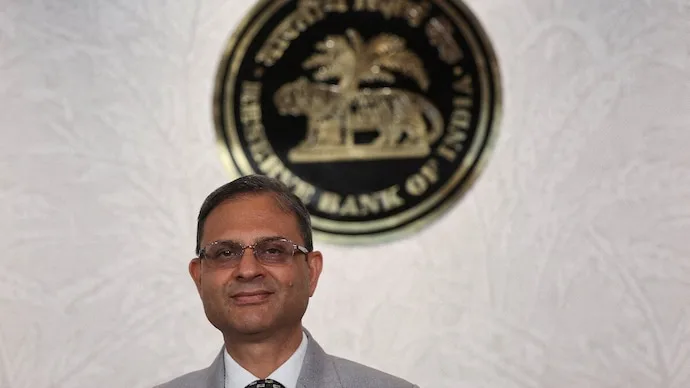

The RBI MPC has raised the policy repo rate by 25 basis points to 5.50%, marking the first increase since February 2023. The Monetary Policy Committee also shifted its stance from neutral to “calibrated tightening”, signalling that controlling inflation has become a stronger priority even as economic growth remains resilient.
The decision was taken unanimously during the October 5-7 meeting. RBI Governor Sanjay Malhotra said inflation and its outlook were no longer as benign as they had been previously, with the central bank becoming more cautious about future price pressures.
Here are five key takeaways from the October MPC decision.

1. Repo rate raised to 5.50%
The MPC unanimously increased the repo rate by 25 basis points to 5.50%.
The Standing Deposit Facility rate now stands at 5.25%, while the Marginal Standing Facility rate and bank rate have been raised to 5.75%.
The move reverses the recent period of stable interest rates and represents the first repo rate hike since February 2023.
2. RBI shifts to calibrated tightening
The RBI changed its policy stance from neutral to calibrated tightening, with four MPC members supporting the change.
The shift indicates that the central bank is prepared to tighten monetary conditions further if inflation risks increase. Governor Malhotra said recalibrating the policy rate had become necessary amid the changing inflation environment.
3. Rate cuts are off the table for now
The RBI has indicated that rate cuts are unlikely in the near term.
However, it has not committed to another increase. Future policy action could involve either a hike or a pause, depending on inflation, growth and broader economic conditions.
The RBI will particularly watch whether price pressures become broader and more persistent.
4. Inflation outlook becomes a concern
The RBI has projected CPI inflation at 5.2% for the current financial year. Inflation is expected to reach around 6% in the third quarter before easing to 5.7% in the fourth quarter.
The central bank identified deficient monsoon rainfall, El Niño conditions and international oil price volatility among the key risks.
5. GDP growth forecast raised to 7.1%
Despite inflation concerns, the RBI remains positive about India's growth prospects. It raised its GDP growth forecast for the financial year by 40 basis points to 7.1%.
First-quarter GDP growth stood at 7.8%, supported by private consumption and investment.
The RBI expects services activity, employment, infrastructure spending, private capital expenditure and strong credit growth to support the economy. However, geopolitical tensions, commodity prices, trade frictions and tighter global financial conditions remain risks.
Relevant official source: Reserve Bank of India








Conversation
Be kind and stay on topic. Comments are moderated; abuse, spam and personal attacks are removed. Report a problem