Shopping cart
Your cart empty!


Your cart empty!
Terms of use dolor sit amet consectetur, adipisicing elit. Recusandae provident ullam aperiam quo ad non corrupti sit vel quam repellat ipsa quod sed, repellendus adipisci, ducimus ea modi odio assumenda.
Lorem ipsum dolor sit amet consectetur adipisicing elit. Sequi, cum esse possimus officiis amet ea voluptatibus libero! Dolorum assumenda esse, deserunt ipsum ad iusto! Praesentium error nobis tenetur at, quis nostrum facere excepturi architecto totam.
Lorem ipsum dolor sit amet consectetur adipisicing elit. Inventore, soluta alias eaque modi ipsum sint iusto fugiat vero velit rerum.
Sequi, cum esse possimus officiis amet ea voluptatibus libero! Dolorum assumenda esse, deserunt ipsum ad iusto! Praesentium error nobis tenetur at, quis nostrum facere excepturi architecto totam.
Lorem ipsum dolor sit amet consectetur adipisicing elit. Inventore, soluta alias eaque modi ipsum sint iusto fugiat vero velit rerum.
Dolor sit amet consectetur adipisicing elit. Sequi, cum esse possimus officiis amet ea voluptatibus libero! Dolorum assumenda esse, deserunt ipsum ad iusto! Praesentium error nobis tenetur at, quis nostrum facere excepturi architecto totam.
Lorem ipsum dolor sit amet consectetur adipisicing elit. Inventore, soluta alias eaque modi ipsum sint iusto fugiat vero velit rerum.
Sit amet consectetur adipisicing elit. Sequi, cum esse possimus officiis amet ea voluptatibus libero! Dolorum assumenda esse, deserunt ipsum ad iusto! Praesentium error nobis tenetur at, quis nostrum facere excepturi architecto totam.
Lorem ipsum dolor sit amet consectetur adipisicing elit. Inventore, soluta alias eaque modi ipsum sint iusto fugiat vero velit rerum.
Do you agree to our terms? Sign up
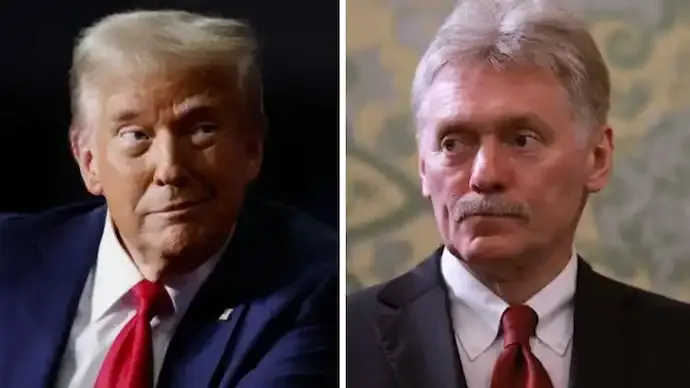
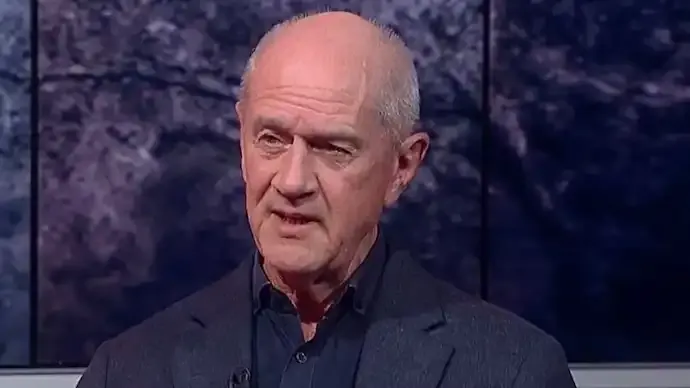
In a significant geopolitical development, Dmitry Peskov has stated that Russia had offered to take custody of Iran’s enriched uranium, but the proposal was rejected by the United States.
The remarks come at a time when the ongoing conflict involving Iran is raising concerns about a broader global crisis.
According to Peskov, Moscow proposed a solution aimed at reducing nuclear tensions by taking control of Iran’s enriched uranium stockpile.
The proposal was intended to:
However, the United States reportedly did not accept the plan, leading to continued uncertainty.
The situation unfolds amid increasing tensions in West Asia, with the conflict involving Iran threatening to expand into a wider geopolitical crisis.
Key developments include:
These factors have heightened global anxiety over stability in the region.
The crisis is also impacting global energy markets, particularly due to tensions around the Strait of Hormuz.
This critical route handles a significant portion of global oil shipments, and any disruption could:
Russia has positioned itself as a potential mediator, advocating for diplomatic solutions over prolonged conflict.
Peskov’s remarks suggest that Moscow is seeking:
The reported rejection of Russia’s proposal by the US reflects ongoing geopolitical differences between major powers.
This development highlights:
As tensions continue, the possibility of further escalation remains a key concern for global stakeholders. Diplomatic engagement, strategic negotiations, and international cooperation will play a crucial role in shaping the next phase of the crisis.
3
Published: 2h ago

All India Story is your trusted source for comprehensive and up-to-the-minute news coverage across India. Bringing you the latest on politics, business, technology, entertainment, sports, and more, we are dedicated to keeping you informed with accurate, engaging, and insightful stories from every corner of the nation.