

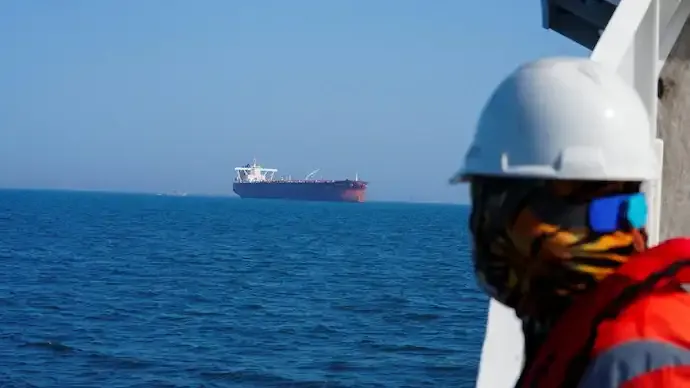

Iran has announced that all vessels passing through the Strait of Hormuz must strictly follow routes designated by Tehran.
The directive comes amid heightened geopolitical tensions, with Iran tightening control over one of the world’s most critical maritime corridors.
Ships Must Coordinate with Iranian Authorities
According to Iran’s Foreign Ministry spokesperson Esmaeil Baghaei, ships transiting the strait will also be required to coordinate fully with Iranian authorities.

The statement was made during a televised interview, emphasising stricter oversight of maritime movement in the region.
New Rules Reflect Rising Regional Tensions
The announcement follows recent developments involving restrictions and countermeasures linked to ongoing tensions with the United States.
Iran’s decision signals a shift towards tighter operational control in response to the evolving situation.
Strategic Importance of the Strait
The Strait of Hormuz remains a vital global shipping route, carrying a large share of the world’s oil exports.
Any new restrictions or regulations in this region can significantly impact global trade, energy supply, and shipping costs.
Concerns for Global Shipping and Energy Markets
Shipping companies and international stakeholders are closely monitoring the situation, as stricter navigation rules could lead to delays and increased operational challenges.
Energy markets may also react to any disruption in smooth transit through the strait.
Calls for Stability in Key Maritime Route
Global powers and organisations have repeatedly stressed the need to maintain open and secure navigation in international waters.
The latest directive adds to concerns over maritime security in the region.
What Lies Ahead
The situation in the Strait of Hormuz continues to evolve, with further developments likely depending on diplomatic and military dynamics.
Stakeholders worldwide remain alert to ensure uninterrupted trade and stability.








Conversation
Be kind and stay on topic. Comments are moderated; abuse, spam and personal attacks are removed. Report a problem