



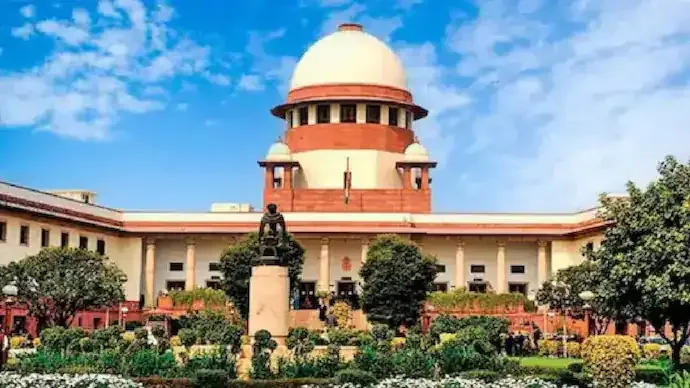
The Supreme Court of India has begun final hearings in the Sabarimala case, with a nine-judge Constitution bench examining key issues around women’s entry and religious freedom.
The bench is led by Chief Justice Surya Kant and is expected to address broader constitutional questions beyond the temple dispute.
Background: 2018 Verdict and Ongoing Debate
The case originates from the landmark 2018 judgment, where the Supreme Court allowed entry of women aged 10–50 into the Sabarimala Temple.

- The ban was declared unconstitutional
- The ruling triggered nationwide debate and protests
- Multiple review petitions were later filed
In 2019, the matter was referred to a larger bench to examine wider constitutional questions.
What the 9-Judge Bench Will Decide
The current hearing will focus on:
- Scope of religious freedom under Article 25
- Balance between faith and gender equality
- Rights of religious denominations vs individual rights
- Extent of judicial intervention in religious practices
The verdict could impact not just Sabarimala, but similar issues across religions in India.
Centre and Kerala Government’s Stand
Both the Central Government and Kerala Government have supported review petitions.
They argue that:
- The restriction is linked to Lord Ayyappa’s celibate nature (Naishtika Brahmachari)
- It is an essential religious practice
- It does not violate equality but reflects religious tradition
Key Legal Arguments in Court
During submissions, it was argued that:
- Changing long-standing practices may affect religious pluralism
- Devotees’ rights must be protected
- Courts should be cautious in interfering with faith-based customs
At the same time, petitioners have raised concerns over gender discrimination and constitutional rights.
Massive Public and Legal Interest
- Over 80 parties have sought to present arguments
- Dozens of review petitions are under consideration
- The case involves complex constitutional interpretation
This reflects the wide-ranging impact of the issue.
Why This Case Is Significant
The Sabarimala case is one of India’s most important legal battles because it deals with:
- Religion vs equality
- Tradition vs constitutional rights
- Judicial limits in faith matters
The final judgment could shape future rulings on similar disputes.
What to Expect Next
The hearings are expected to continue over several days, after which the court will reserve its judgment.
The final verdict may redefine how India balances religious freedom and gender justice.








Conversation
Be kind and stay on topic. Comments are moderated; abuse, spam and personal attacks are removed. Report a problem