



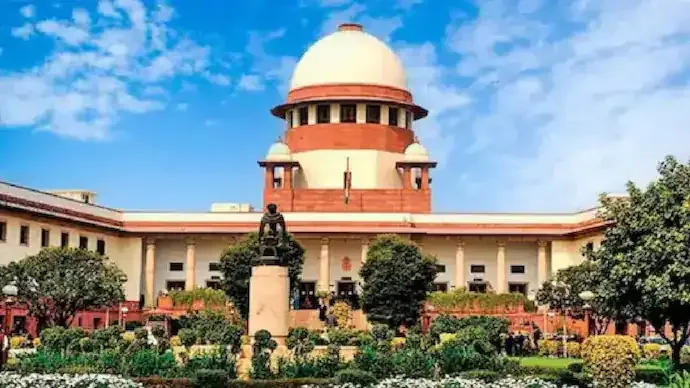
The Supreme Court of India has begun a significant hearing on the Sabarimala temple entry issue, a case that continues to shape the debate around religious freedom and gender equality in the country. A nine-judge Constitution bench is now reviewing broader constitutional questions linked to the case, making it one of the most closely watched legal proceedings in recent times.
The hearing stems from the landmark 2018 judgment that allowed women aged between 10 and 50 years to enter the Sabarimala temple, overturning a long-standing restriction. However, the matter did not end there. In 2019, the court referred larger questions related to religious practices and constitutional rights to a bigger bench for deeper examination.
Centre’s Stand: Not Every Issue Is About Gender
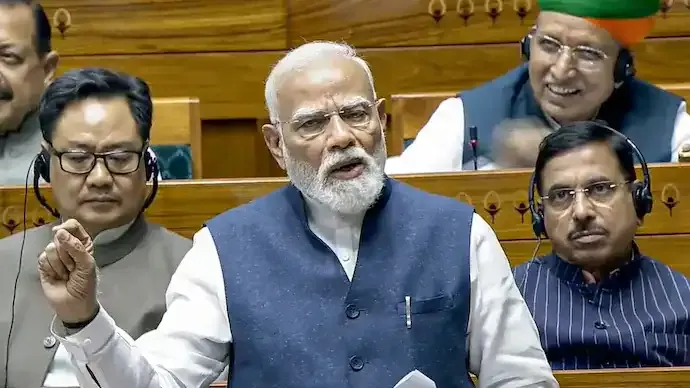
During the hearing, the Centre strongly argued that not all constitutional matters should be viewed solely through a gender perspective. It stated that while equality is a fundamental right, every religious practice cannot automatically be categorized as discriminatory.

The government emphasized that constitutional provisions like Article 14 and Article 15 already ensure equality and prohibit discrimination. However, interpreting every issue through a gender lens could overlook the complexity of religious traditions and practices.
The argument highlighted that India’s legal system must balance both equality and respect for religious diversity.
Faith, Tradition, and the Nature of Deity
A key point raised during the hearing was that the Sabarimala temple’s traditions are deeply linked to the nature of the deity, Lord Ayyappa, who is believed to be a ‘Naishtika Brahmachari’ (eternal celibate). According to the Centre, the restriction on entry of women in a certain age group is tied to this belief and not based on notions of inequality.
The government also argued that altering such practices could impact the fundamental character of worship and infringe upon the rights of devotees who have followed these customs for generations.
Debate on Court’s Role in Religious Matters
Another major issue raised was whether courts have the expertise to determine what qualifies as an essential religious practice. The Centre questioned the extent to which judicial intervention should be allowed in matters of faith.
It was argued that religious traditions often involve complex interpretations of scriptures and evolving belief systems, making it difficult for courts to define or judge them accurately.
The bench is now examining how far constitutional courts can go in balancing religious autonomy with fundamental rights.
Pluralism and Diversity in Indian Religions
The hearing also brought attention to the diversity within religions in India. The Centre stated that religions should not be treated as uniform entities, as each has multiple sects, denominations, and practices.
This diversity is recognized under Articles 25 and 26 of the Constitution, which guarantee freedom of religion while allowing different groups to manage their own religious affairs.
The argument stressed that understanding this plurality is essential before making any judicial interpretation.
Why This Case Matters
The outcome of this case is expected to have long-term implications for how India interprets the relationship between faith and constitutional rights. Legal experts believe that the judgment could influence similar disputes across religions in the future.
With over 80 parties involved and multiple viewpoints being presented, the case reflects the complexity of balancing tradition, belief, and modern constitutional values.
The Supreme Court is expected to carefully examine all arguments before delivering a decision that could shape India’s legal and cultural landscape for decades.






Conversation
Be kind and stay on topic. Comments are moderated; abuse, spam and personal attacks are removed. Report a problem