



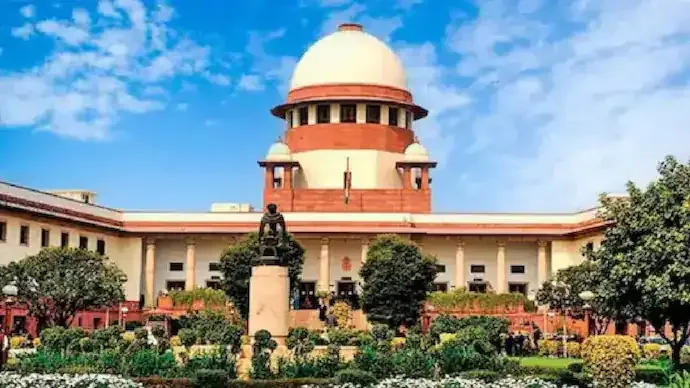
The Supreme Court of India has begun hearing one of the most significant constitutional cases in recent times — the Sabarimala review case.
At the centre of the debate is a crucial question: Should religious customs prevail, or should constitutional rights take priority?
What the Case Is About
The case revolves around the Sabarimala Temple, where traditionally women aged 10–50 were not allowed entry.

- In 2018, the Supreme Court allowed entry of women of all ages
- The ruling sparked protests and legal challenges
- Multiple review petitions were filed
Now, a nine-judge Constitution bench, led by Chief Justice Surya Kant, is re-examining the issue.
Seven Key Constitutional Questions
The court will address critical questions, including:
- Can constitutional morality override religious practices?
- What is the scope of religious freedom under Article 25?
- Do religious denominations have autonomy over their customs?
- Can courts intervene in essential religious practices?
The answers could reshape how religion and law interact in India.
Faith vs Equality Debate
The Sabarimala case has become a symbol of a larger debate:
Arguments Supporting Tradition
- The restriction is linked to Lord Ayyappa’s celibate nature
- It is considered an essential religious practice
- Changing it may disrupt long-standing traditions
Arguments Supporting Equality
- Denial of entry violates fundamental rights
- Gender-based restrictions go against constitutional equality
- Religious practices must align with modern legal standards
Historical Context Behind the Case
The controversy has roots going back decades:
- In 1991, a court upheld the restriction
- In 2006, the issue gained attention after temple-related incidents and legal challenges
- A public interest litigation questioned the exclusion of women
Over time, the matter evolved into a major constitutional issue.
Why This Case Is So Important
The outcome will not be limited to Sabarimala. It may impact:
- Entry rules in other religious places
- Interpretation of fundamental rights vs faith
- Future cases involving gender and religion
This makes it one of the most closely watched legal battles in India.
What Lies Ahead
The hearings will continue as multiple stakeholders present arguments. The final judgment is expected to:
- Clarify the balance between faith and law
- Set a precedent for similar cases
- Define limits of judicial intervention in religious matters
A Turning Point for Indian Constitutional Law
The Sabarimala case is more than a temple dispute. It is a test of how India interprets:
- Democracy
- Religious freedom
- Gender justice
The verdict could redefine these principles for years to come.







Conversation
Be kind and stay on topic. Comments are moderated; abuse, spam and personal attacks are removed. Report a problem