

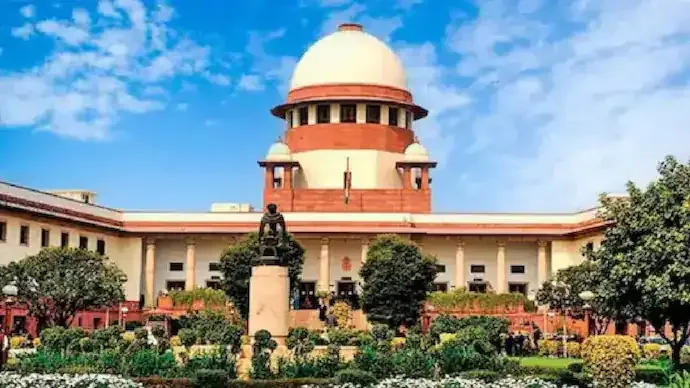

The Supreme Court of India has reiterated that religious practices are subject to legal scrutiny, emphasising that constitutional principles must guide judicial decisions.
The observation was made during hearings in the Sabarimala Temple Entry Case, a matter that continues to shape debates around faith, rights, and equality in India.
Judges Must Prioritise Constitution Over Personal Beliefs
A nine-judge bench of the Supreme Court stated that judges must rise above personal religious beliefs while adjudicating such cases.

The court highlighted the importance of freedom of conscience and adherence to constitutional values when dealing with matters related to religion.
Background of 2018 Verdict
The case stems from the landmark 2018 judgment, where a five-judge Constitution bench lifted the ban on entry of women aged 10 to 50 years into the Sabarimala Temple.
The majority verdict had ruled that the centuries-old practice was unconstitutional, sparking widespread debate across the country.
Review of Landmark Judgment Underway
The apex court is currently reviewing the 2018 decision, examining key questions related to religious freedom, gender equality, and constitutional rights.
The outcome of the review is expected to have far-reaching implications for similar cases involving religious practices.
Balancing Faith and Fundamental Rights
The Sabarimala case represents a complex intersection between religious traditions and fundamental rights guaranteed by the Constitution.
The court’s remarks underline the principle that no practice is beyond scrutiny if it conflicts with constitutional values.
Wider Legal and Social Implications
The case has triggered broader discussions on the role of the judiciary in regulating religious practices and ensuring equality.
It also raises questions about how traditions evolve in a modern constitutional democracy.
What Lies Ahead
The Supreme Court’s final verdict in the review petition will be closely watched, as it could redefine the boundaries between religion and law in India.
The case remains one of the most significant constitutional debates in recent years.









Conversation
Be kind and stay on topic. Comments are moderated; abuse, spam and personal attacks are removed. Report a problem