

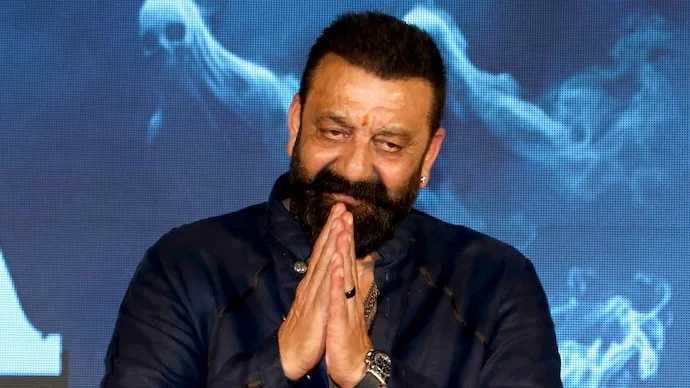

The Sanjay Dutt scripted remark controversy continues after the actor clarified for a second time that his comments about not feeling “peace” in India were part of a scripted and light-hearted segment on Shekhar Tonite. Dutt said the remarks did not represent his personal views and were delivered as part of a television performance.
The clarification has shifted the discussion from what Dutt intended to say to a broader question about responsibility when public figures deliver scripted statements on television.
What Sanjay Dutt Said on Shekhar Tonite
During the Gandhi Jayanti special episode, Dutt said that Indians were welcoming and large-hearted but added that he could no longer feel the same sense of peace in the country. He also expressed hope that “those days” would return.

The conversation later moved into political satire, with Dutt imagining what he would do if he became Prime Minister for five minutes. Speaking in the style associated with his Munna Bhai character, he talked about staying in India rather than travelling abroad and stressed the importance of a connection between the Prime Minister and citizens.
He also referred to Mahatma Gandhi’s three monkeys and jokingly suggested a fourth monkey, raising the question of who should correct something wrong when they see it.
Dutt Says It Was Written as Satire
Following the reaction to the comments, Dutt said the entire exchange was scripted and intended as humour inspired by the tone of Munna Bhai and the concept of “Gandhigiri”.
In his first clarification, he said it was never his intention to hurt, offend or disrespect any individual, community or institution. He later issued another clarification in which he said he and the other participants were performing according to a script and that the remarks were not his personal thoughts or feelings.
Where Does Responsibility Lie?
The controversy now raises a question that extends beyond Dutt himself: when a celebrity delivers scripted words on a public platform, how should responsibility be divided between the performer, writer, director and programme team?
A script establishes where the words originated, but the person delivering them is still the public face of those words. At the same time, a scripted performance does not necessarily mean that every statement reflects the performer’s personal beliefs.
That distinction is particularly relevant when satire touches on politics, national issues or public institutions.
Dutt’s clarification makes his stated intention clear: he says the remarks were scripted humour rather than a personal political statement. But the episode also illustrates how quickly scripted satire can be interpreted as an individual’s genuine opinion once it reaches a large public audience.
The controversy, therefore, is less about determining Dutt’s patriotism and more about the responsibilities of everyone involved when scripted commentary is delivered on television.





Conversation
Be kind and stay on topic. Comments are moderated; abuse, spam and personal attacks are removed. Report a problem