
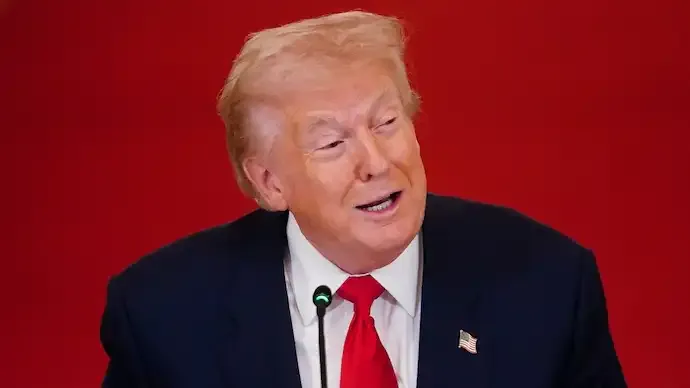
Former US President Donald Trump sharply criticised Iran after Tehran issued an apology to several Gulf countries for strikes carried out during the ongoing conflict in the Middle East. Trump used the moment to mock Iran’s position in the region, calling the country the “loser of the Middle East.”
The remarks came after Iran attempted to ease tensions with neighbouring Gulf nations, including countries that had recently faced missile and drone attacks during the escalating regional conflict. Iran’s leadership stated that it would avoid targeting neighbouring states unless they were directly involved in attacks against the country.
Reacting to the apology, Trump posted a strongly worded statement on his social media platform Truth Social, suggesting that Iran’s change in tone was the result of continuous military pressure from the United States and Israel.
According to Trump, Iran had previously attempted to project power and influence across the Middle East but had now been forced into a defensive position following the ongoing conflict.
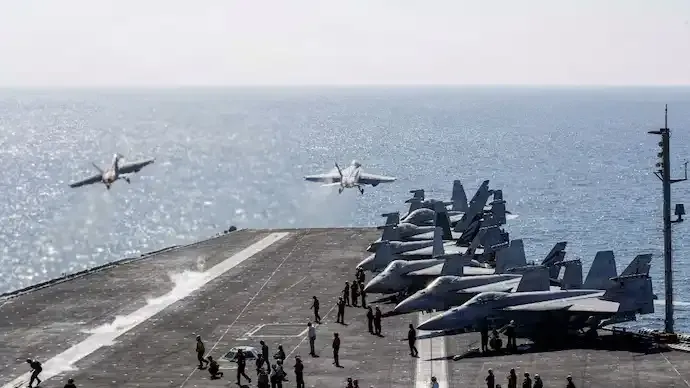
He claimed that Iran’s apology demonstrated that the country was no longer the dominant force it once attempted to portray itself as in the region. Trump argued that the strikes carried out by the United States and its allies had significantly weakened Iran’s military position.
Trump also suggested that the situation marked a historic moment, claiming that Iran had rarely faced such setbacks against neighbouring countries in the region. His comments reflected a broader narrative promoted by supporters of the military campaign against Iran.
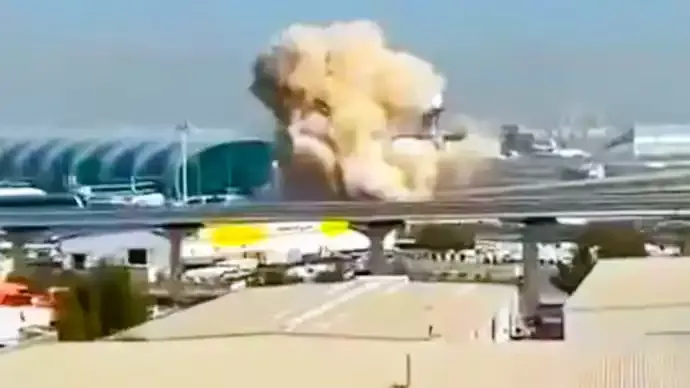
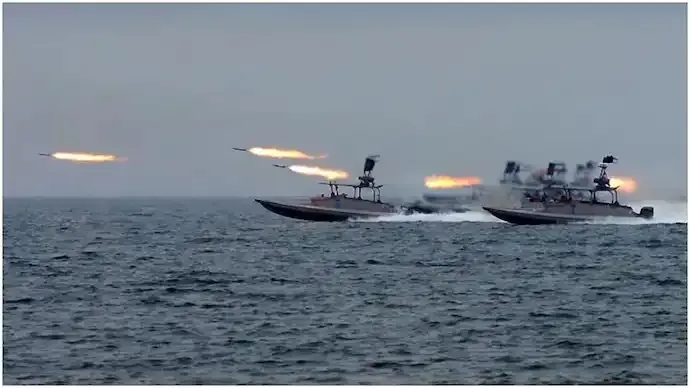
The remarks came at a time when the conflict between Iran and its opponents has intensified, with missile and drone attacks being reported across several Middle Eastern countries.
Iran had earlier issued statements seeking to reassure Gulf states that it did not intend to escalate hostilities against them. The apology was viewed by some analysts as an attempt to prevent the conflict from expanding further across the region.
However, the continued exchange of strikes and military operations has kept tensions extremely high across the Middle East. Several countries have raised security alerts and strengthened their defence systems amid fears of further attacks.
Trump’s comments have added a political dimension to the already volatile situation, highlighting the intense rhetoric surrounding the conflict.
International observers note that statements from political leaders often play a role in shaping global perceptions of ongoing conflicts. Strong language and public messaging can influence diplomatic relations and public opinion during times of war.
Meanwhile, global leaders and diplomatic organisations continue to call for restraint and dialogue to prevent further escalation in the region.
As the conflict continues to unfold, the situation remains highly unpredictable, with military operations, diplomatic efforts, and political reactions all shaping the rapidly evolving developments in the Middle East.
Conversation
Be kind and stay on topic. Comments are moderated; abuse, spam and personal attacks are removed. Report a problem