



The Akhil Bharatiya Vidyarthi Parishad (ABVP) has approached the Centre seeking permanent cancellation of a proposed screening of a documentary on jailed activist Umar Khalid at the National Law School of India University (NLSIU) in Bengaluru. The student organisation has also demanded a high-level inquiry into the university administration over the proposed event.
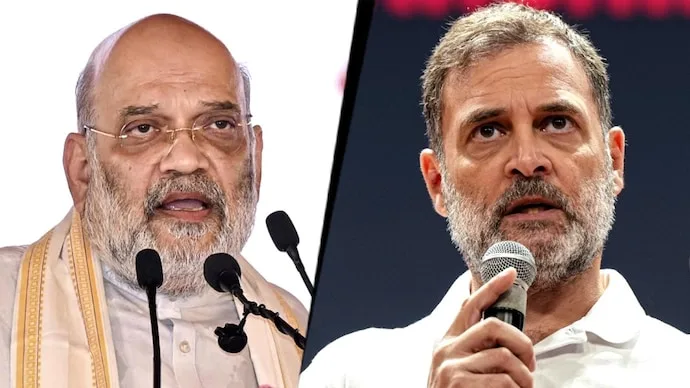
The Bengaluru unit of ABVP said it had submitted representations to Union Home Minister Amit Shah, Union Education Minister Pralhad Joshi and Union Minister of State for Law and Justice Arjun Ram Meghwal, seeking their intervention.
The documentary, “Prisoner No 626710 is Present”, directed by Lalit Vachani, was recently postponed by its organisers, who cited security and administrative concerns. ABVP has alleged that the postponement was intended to allow public opposition to the event to subside.

The organisation argued that educational institutions of national importance should not be used for what it described as political propaganda involving Khalid. It referred to controversies surrounding the 2016 JNU episode, Afzal Guru commemorations, protests against the CAA-NRC and the 2020 Delhi riots while explaining its objections.
ABVP has asked the Centre to direct NLSIU to withdraw any permission for the documentary to be filmed, screened or promoted on the campus. It has also sought an investigation into the university administration and the organising committee, questioning how approval for the event was granted and alleging that complaints from student groups were not adequately addressed.
The student body further called for stricter rules governing the use of publicly funded infrastructure at central and national universities. It said academic freedom and open debate are constitutional rights but argued that these freedoms must be balanced against national security, sovereignty and institutional integrity.
The proposed screening has therefore become a point of contention over academic freedom, political expression and the use of university spaces for controversial events.




Conversation
Be kind and stay on topic. Comments are moderated; abuse, spam and personal attacks are removed. Report a problem