

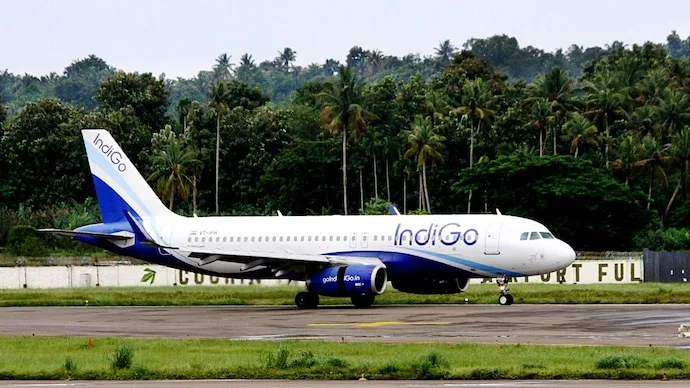

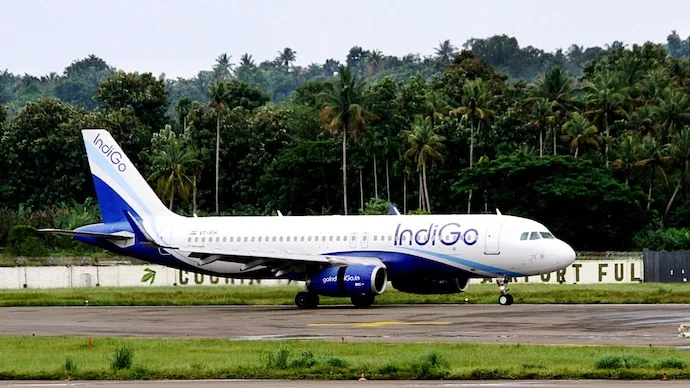
Air travel costs could remain under pressure as airlines face elevated fuel prices, higher airport charges and operational challenges. IndiGo CEO Willie Walsh has warned that jet fuel prices are likely to remain high in the near term, despite crude oil prices staying below their historical peaks.
Speaking about the aviation sector’s challenges, Walsh called for lower taxes and airport charges in India, arguing that these expenses are making airline operations more costly. Aviation turbine fuel (ATF) accounts for approximately 40% of IndiGo’s operating costs, making the rise in fuel prices a significant concern for the airline.
Jet Fuel Premium Over Crude Oil Rises Sharply
Walsh said the pressure on airlines was not simply due to crude oil prices but also the unusually high premium that jet fuel commands over crude.

He noted that crude oil was trading at around $110–111 per barrel, below the approximately $150 per barrel recorded in 2008. However, the difference between crude oil and jet fuel prices, known as the crack spread, has increased considerably.
According to Walsh, the long-term average crack spread between 2000 and 2025 was around 22%, compared with nearly 65% currently.
He attributed the increase to disruptions in global jet fuel refining. Reduced production at European refineries and supply difficulties in the Middle East, including Kuwait, have affected availability.
Walsh said crude oil production was showing signs of recovery, but jet fuel output had not increased at the same pace. He expects fuel prices to remain elevated until refining and supply conditions improve.
IndiGo CEO Calls for Lower Aviation Taxes
Apart from fuel expenses, Walsh identified airport charges and taxation as major cost concerns for airlines operating in India.
He said the aviation market could perform better with lower taxes and more competitive airport pricing. He also pointed out that airport charges increased by 4% in the second quarter compared with the first quarter.
Walsh argued that airports should offer better value to airlines, particularly given their position as operators with limited direct competition in many locations.
He described discussions with the Indian government as constructive and acknowledged initiatives taken to address industry challenges.
Pakistan Airspace Closure Adds Operational Pressure
The continued closure of Pakistan’s airspace is another challenge for Indian airlines. Walsh said IndiGo regularly reviews its network to manage operational disruptions caused by geopolitical developments.
The airline has also reduced services to Saudi Arabia, with passenger and crew safety remaining its priority.
On fuel hedging, Walsh said the decision required careful consideration. He noted that around 40% of Asian carriers and 70% of European carriers were hedged against fuel-price movements.
Navi Mumbai Airport Offers Growth Potential
Walsh also described Navi Mumbai airport as an important opportunity for IndiGo’s expansion, particularly in long-haul operations.
He said the airline maintains a good relationship with Adani Airports and is evaluating future capacity requirements for domestic and international services.
Despite the cost pressures, IndiGo plans to retain its low-cost carrier model while focusing on expense management and opportunities for long-term growth.
Official Link: IndiGo







Conversation
Be kind and stay on topic. Comments are moderated; abuse, spam and personal attacks are removed. Report a problem