

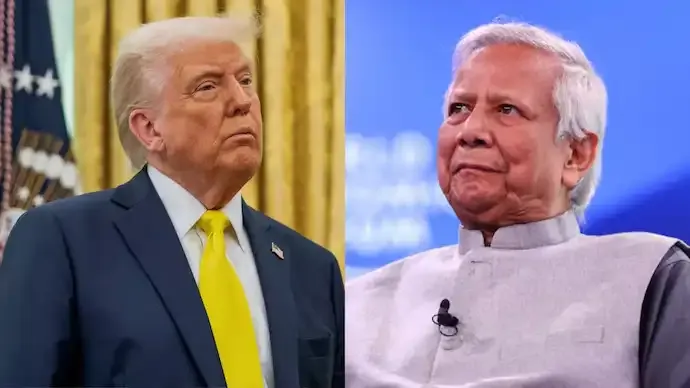

The United States has reduced reciprocal tariffs on imports from Bangladesh to 19 per cent under a newly concluded bilateral trade agreement, offering significant relief to Dhaka’s export-driven economy. The deal also opens the door for duty-free access to selected Bangladeshi garment products that are manufactured using US-origin raw materials, marking a notable shift in Washington’s trade approach towards the South Asian nation.
The announcement was made by Bangladesh’s interim chief adviser Muhammad Yunus, who said the agreement was the result of sustained negotiations with the United States over several months. He described the development as a critical step toward safeguarding jobs and strengthening Bangladesh’s position in global supply chains, particularly in the highly competitive textile and apparel sector.
Earlier in April, the US had proposed imposing tariffs as high as 37 per cent on Bangladeshi exports, raising alarm among manufacturers and policymakers in Dhaka. After rounds of discussions, the proposed rate was first brought down to 20 per cent last year. The latest agreement further reduces the tariff to 19 per cent, while also introducing preferential treatment for certain garments that incorporate US-produced materials.

According to an official statement, the agreement was signed on behalf of Bangladesh by Commerce Adviser Sheikh Bashir Uddin and National Security Adviser Khalilur Rahman. On the US side, the deal was signed by Ambassador Jamieson Greer, the US Trade Representative. American officials said the agreement would strengthen Bangladesh’s standing within US trade policy while also addressing long-standing non-tariff barriers.
The tariff reduction is expected to have a direct impact on Bangladesh’s readymade garments industry, which forms the backbone of the country’s economy. The sector accounts for over 80 per cent of total export earnings and employs nearly four million workers, the majority of whom are women from rural and economically weaker backgrounds. Garments also contribute roughly 10 per cent to Bangladesh’s gross domestic product.
Industry representatives have welcomed the move, saying lower tariffs will help Bangladeshi exporters remain competitive in the US market at a time when factories are under pressure from rising energy costs, currency volatility and stricter compliance norms imposed by global buyers. The US remains one of Bangladesh’s largest export destinations, making tariff access a crucial factor for the sector’s survival and growth.
The agreement comes amid a broader recalibration of US trade policy under President Donald Trump, who recently announced a separate trade deal with India that sharply reduced tariffs on Indian exports. Analysts see the Bangladesh agreement as part of Washington’s effort to balance protectionist measures with strategic economic partnerships.
The timing of the deal is also politically significant for Bangladesh, which is heading into national elections after a period of instability under an interim administration. With the economy and employment at the centre of public concern, the trade agreement allows the interim government to project economic stability and international confidence at a sensitive moment.
Overall, the tariff cut and selective duty-free access provide Bangladesh with much-needed breathing space, particularly for its garments sector, while reinforcing economic ties between Dhaka and Washington.





Conversation
Be kind and stay on topic. Comments are moderated; abuse, spam and personal attacks are removed. Report a problem