
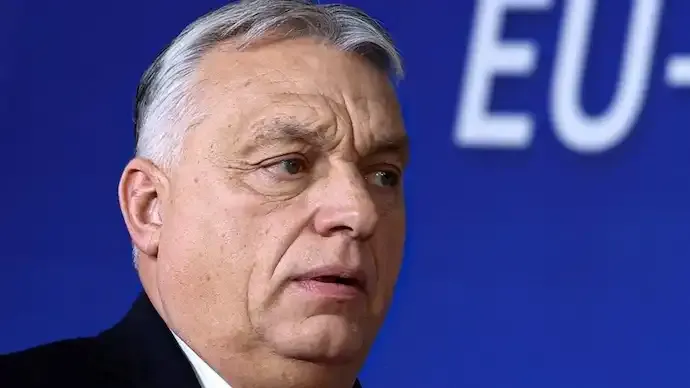
Hungary’s long-serving Prime Minister Viktor Orbán has lost power after 16 years, marking a significant political shift in Hungary.
Orbán conceded defeat, describing the outcome as “painful,” after the opposition delivered a decisive victory in the parliamentary elections.
Opposition Leader Peter Magyar Secures Landslide Victory
The election was won by Peter Magyar, whose Tisza Party achieved a strong majority in parliament.
Early results indicate that the party is on track to secure a two-thirds majority in the 199-seat parliament. This level of control would allow the new government to introduce major policy changes and potentially reverse key decisions made during Orbán’s tenure.
End of a 16-Year Political Era
Orbán’s leadership defined Hungary’s political landscape for over a decade and a half. His government was known for its nationalist policies and firm stance on issues such as immigration and European Union relations.
The election result brings an end to one of the longest-serving administrations in Europe in recent times.
Impact on Global Political Alignments
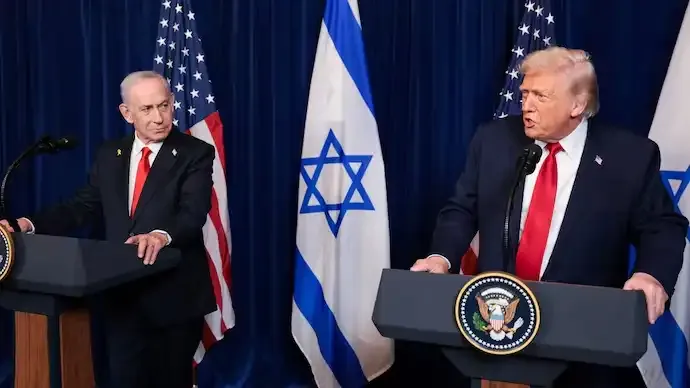
Viktor Orbán has been widely regarded as a close ally of Donald Trump and Vladimir Putin. His defeat is seen as a setback for nationalist and right-wing political networks that have maintained influence across regions.
The shift in leadership may signal changing political trends both within Europe and globally.
Potential Reset in EU Relations
The new government led by Peter Magyar is expected to take a more pro-European Union stance. Hungary’s relationship with the EU had faced challenges in recent years, with disagreements over governance, policy direction, and democratic standards.
With a new leadership in place, there is potential for improved cooperation between Budapest and Brussels.
Future Policy Changes Expected
With a strong parliamentary majority, the Tisza Party is positioned to introduce reforms across governance, economy, and foreign policy. Observers expect efforts to realign Hungary’s international positioning and domestic policies.
However, the transition will also come with challenges as the new administration works to implement its agenda.
A Turning Point for Hungary
The election outcome represents a major turning point in Hungary’s political history. It reflects shifting voter preferences and a desire for change after years of continuity.
As the new government takes charge, attention will remain on how it navigates both domestic reforms and international relations.


Conversation
Be kind and stay on topic. Comments are moderated; abuse, spam and personal attacks are removed. Report a problem