
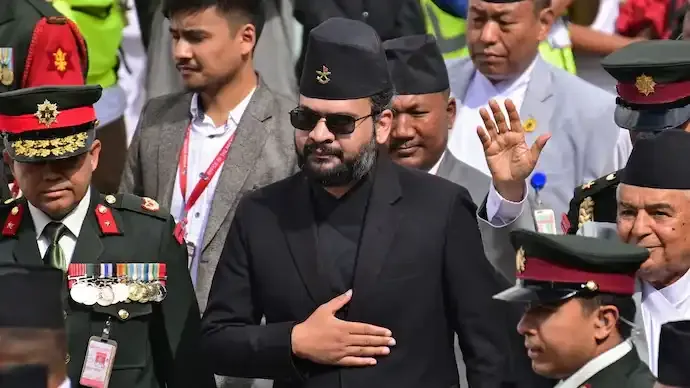
The possible rise of Balendra “Balen” Shah as Nepal’s Prime Minister has sparked discussions about how his leadership could influence the long-standing India–Nepal relationship, often described through the phrase “roti-beti ties.”
The phrase symbolises the deep cultural, social, and familial connections shared by people on both sides of the border. India and Nepal maintain one of South Asia’s closest bilateral relationships, marked by open borders, strong trade links, and extensive people-to-people connections.
As Balen Shah’s political influence grows, analysts are examining how his leadership might shape Nepal’s diplomatic approach toward India.
From Rapper to Political Leader
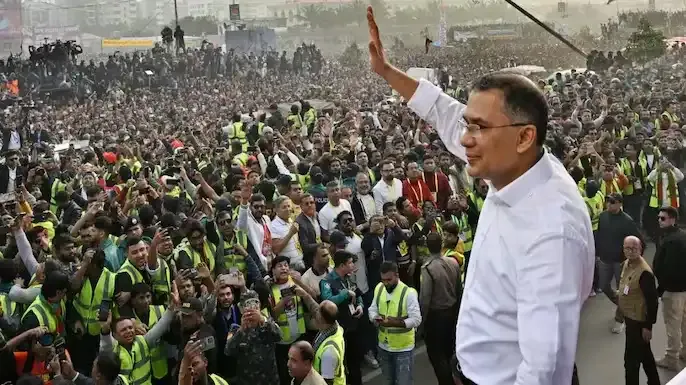
Balendra Shah first gained national prominence as a rapper and social media personality before entering politics. He later became the Mayor of Kathmandu, where his leadership style and anti-establishment messaging attracted strong support among young voters.
Shah has positioned himself as a leader advocating political reform, transparency, and a break from traditional political structures.
His political rise accelerated after public protests led by young voters challenged the established political order in Nepal, weakening traditional parties.
Controversial Viral Post
Shah had earlier drawn attention for a viral social media post in which he sharply criticised Nepal’s political parties as well as major global powers including India, China, and the United States.
The post remained online for only a short time but quickly spread across social media platforms and became widely discussed.
Observers note that the comments reflected his frustration with what he viewed as external influence in Nepal’s domestic politics.
However, political analysts say that statements made during periods of activism do not always reflect a leader’s long-term diplomatic approach once in office.
Strong Personal Links With India
Despite earlier criticism, Balen Shah also has personal and educational connections with India. He studied structural engineering in India after completing his civil engineering degree in Nepal.
These experiences have given him exposure to Indian institutions and society, which some analysts believe could contribute to a balanced diplomatic outlook.
Importance of India–Nepal Ties
India remains Nepal’s largest trading partner and one of its most important economic partners. The two countries share an open border that allows citizens to travel and work freely across the frontier.
Millions of Nepali citizens live and work in India, while cultural and family ties connect communities across both nations.
Because of these deep connections, any change in Nepal’s political leadership often leads to discussions about the future of bilateral relations.
Strategic Balance Between Major Powers
Nepal’s foreign policy traditionally involves balancing relationships with multiple countries, including India and China.
Analysts suggest that if Balen Shah assumes national leadership, he may continue this balancing approach while focusing on domestic reforms and governance priorities.
The recent election results in Nepal have also been interpreted by some observers as a setback for political groups perceived as being closer to Beijing.
Possible Future Direction
Experts say that while Shah’s rise represents a generational shift in Nepal’s politics, the fundamental structure of India–Nepal relations is unlikely to change dramatically.
The deep social, economic, and cultural ties between the two countries are likely to remain central to bilateral cooperation.
However, the tone and style of diplomacy could evolve as younger leaders bring new perspectives to regional politics.
As Nepal’s political situation continues to evolve, Balen Shah’s leadership could mark a new phase in the country’s domestic politics while maintaining the longstanding connections that define India–Nepal relations.

Conversation
Be kind and stay on topic. Comments are moderated; abuse, spam and personal attacks are removed. Report a problem