

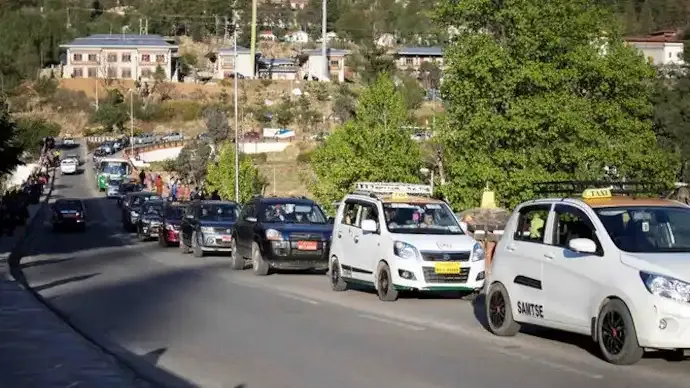

Bhutan has decided not to switch to E20 ethanol-blended petrol for now, requesting that India continue supplying conventional petrol as long as it remains available. The decision comes as India expands the use of E20 fuel under its ethanol blending programme, a policy aimed at reducing dependence on imported crude oil and promoting cleaner fuels.
Rather than rejecting ethanol-blended fuel altogether, Bhutan's decision reflects practical challenges related to infrastructure, geography and vehicle compatibility.
What Is E20 Petrol?
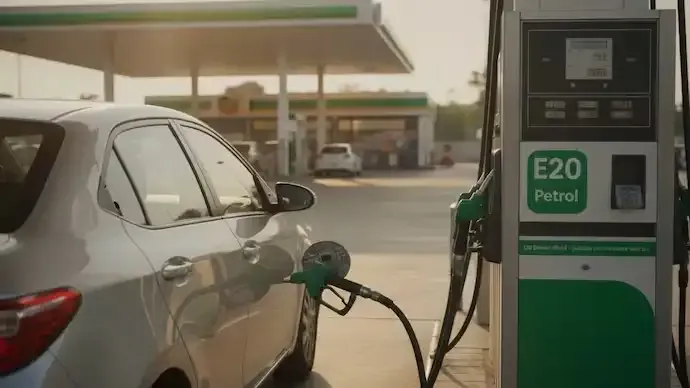
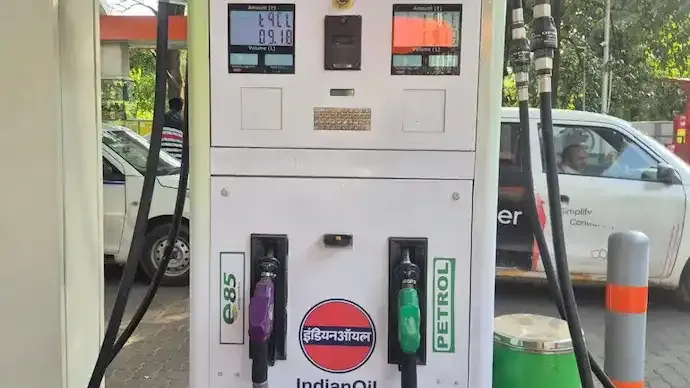
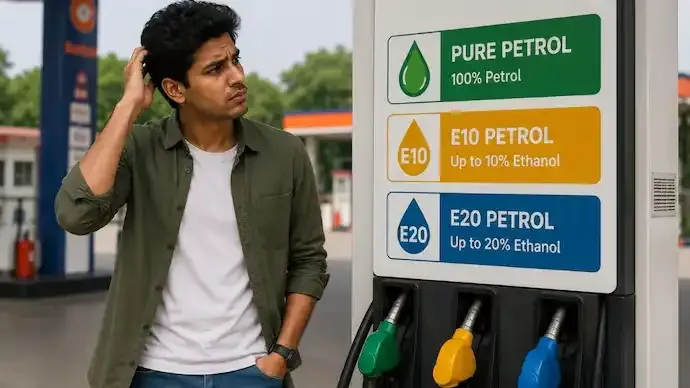
E20 petrol is a fuel blend containing 20% ethanol and 80% petrol.

India has been progressively introducing E20 fuel as part of its long-term energy strategy to:
- Reduce crude oil imports.
- Lower carbon emissions.
- Support domestic ethanol production.
- Increase the use of renewable fuels.
- Improve energy security.
Many newer vehicles are being designed or calibrated to operate efficiently on E20 fuel, while some older models may require manufacturer approval before using higher ethanol blends.
Why Has Bhutan Declined E20 Fuel?
Bhutan's decision is primarily linked to operational and technical considerations rather than opposition to cleaner fuels.
1. Fuel Storage Infrastructure
One of the biggest challenges is Bhutan's existing fuel storage system.
Ethanol absorbs moisture more readily than conventional petrol and generally requires storage facilities designed to handle blended fuels. Authorities believe the country's current infrastructure is not yet fully prepared for long-term E20 storage and distribution.
2. Mountainous Terrain
Bhutan's road network passes through steep hills and high-altitude routes where vehicles often operate under demanding driving conditions.
Officials are concerned that maintaining consistent engine performance is particularly important in such terrain, leading them to continue with conventional petrol until further evaluation is completed.
3. Vehicle Compatibility
Not every vehicle currently on Bhutan's roads is designed to use E20 fuel.
Introducing the blend without ensuring widespread vehicle compatibility could create operational challenges for motorists, especially owners of older vehicles.
Why Is India Promoting E20 Petrol?
India's ethanol blending programme forms part of a broader strategy to diversify fuel sources.
The policy seeks to:
- Reduce dependence on imported crude oil.
- Increase farmers' income through ethanol production from agricultural feedstocks.
- Lower greenhouse gas emissions.
- Strengthen long-term energy security.
- Promote renewable transportation fuels.
The rollout has been taking place in phases across different parts of the country.
Debate Around E20 Fuel
The introduction of E20 petrol has generated discussion among vehicle owners, automobile manufacturers and fuel experts.
Supporters argue that ethanol blending helps reduce fossil fuel consumption and contributes to environmental goals.
Others have raised questions regarding:
- Fuel efficiency in certain vehicles.
- Compatibility with older engines.
- Long-term maintenance costs.
- Availability of E20-compatible vehicles.
- Consumer awareness during the transition.
Vehicle manufacturers generally recommend following the fuel specifications listed for each model.
What Happens Next?
Bhutan has requested that supplies of conventional petrol continue while it evaluates future options.
If fuel infrastructure is upgraded and a larger share of the vehicle fleet becomes compatible with higher ethanol blends, the country's policy could evolve over time.
Meanwhile, India is expected to continue expanding its ethanol blending programme in line with its energy and environmental objectives.
Featured SnippetBhutan has declined India's offer to supply E20 petrol for now, opting to continue using regular petrol. The decision is linked to fuel storage infrastructure, vehicle compatibility and concerns about maintaining reliable performance on the country's mountainous roads.
Key Highlights- Bhutan has requested continued supplies of regular petrol.
- The country has not adopted India's E20 fuel blend.
- Storage infrastructure is one of the main concerns.
- Mountainous terrain influenced the decision.
- Vehicle compatibility is also being considered.
- India continues expanding its ethanol blending programme.
- E20 fuel remains a key part of India's energy strategy.
Bhutan's decision to continue using conventional petrol reflects its current infrastructure and transportation needs rather than a rejection of ethanol-blended fuel as a concept. As the country modernises its fuel systems and vehicle fleet, its approach may change. For now, the focus remains on ensuring reliable fuel performance while India continues advancing its broader clean-energy goals through increased ethanol blending.
FAQs1. What is E20 petrol?
E20 petrol is a fuel blend containing 20% ethanol and 80% petrol.
2. Why did Bhutan decline E20 petrol?
Bhutan cited limitations in fuel storage infrastructure, concerns about vehicle compatibility and the demands of driving in mountainous terrain.
3. Has Bhutan permanently rejected E20 fuel?
No. Bhutan has requested continued supplies of regular petrol for now and may review its position in the future.
4. Why is India promoting E20 petrol?
India aims to reduce crude oil imports, improve energy security, support ethanol production and lower emissions through ethanol blending.
5. Can all vehicles use E20 petrol?
No. Compatibility depends on the vehicle's design and manufacturer recommendations. Many newer models are built to support E20, while some older vehicles may not be.
6. Will India continue supplying regular petrol to Bhutan?
Bhutan has requested regular petrol as long as it remains available from Indian suppliers.
7. Does E20 reduce vehicle mileage?
The effect on fuel economy can vary depending on the vehicle, engine design and driving conditions. Vehicle owners should follow manufacturer guidance regarding approved fuel types.




Conversation
Be kind and stay on topic. Comments are moderated; abuse, spam and personal attacks are removed. Report a problem