
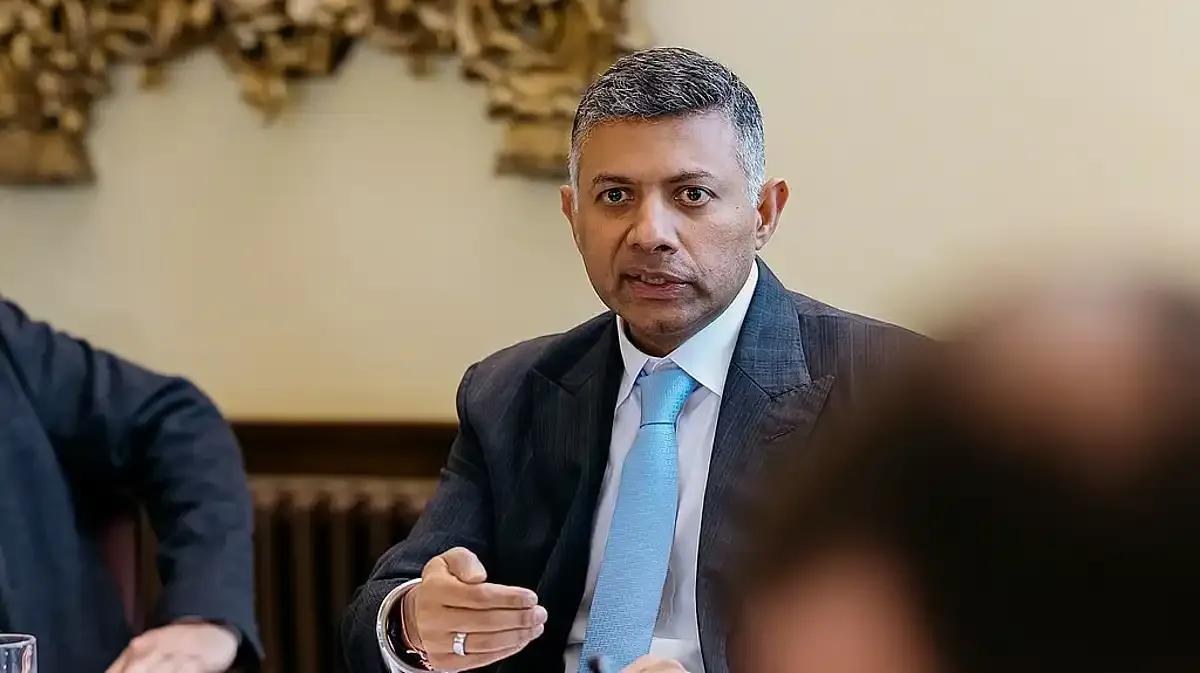
India has ruled out comparisons with Pakistan regarding mediation efforts in the ongoing West Asia conflict, stressing that decisions on international diplomatic engagement are guided by national interest rather than external expectations.
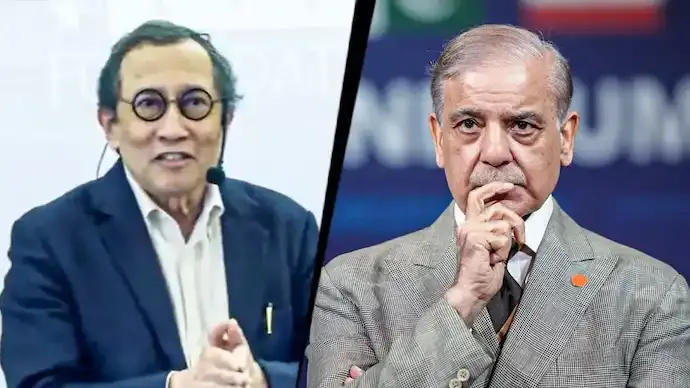
Speaking at the World Peace Forum in Beijing, India's Ambassador to China, Vikram Doraiswami, said every country must independently determine whether taking on a mediation role serves its strategic objectives. He added that while India remains committed to supporting global peace and security, it does not currently see mediation in the conflict as being in its national interest.
Doraiswami Outlines India's Position
Responding to a question during the forum, Doraiswami rejected comparisons between India and Pakistan in the context of mediation initiatives.
He noted that each country pursues its own foreign policy priorities and suggested that comparisons between the two nations do not accurately reflect their differing economic strength, strategic interests and international roles.
The ambassador reiterated that India's approach to international conflicts is based on careful assessment of national priorities alongside broader global stability.
India and China Share Similar Approach
During the discussion, Doraiswami observed that India and China have adopted broadly similar positions on recent geopolitical crises in West Asia and Eastern Europe.
According to him, neither New Delhi nor Beijing has actively stepped forward to offer formal mediation in the current conflict, instead focusing on supporting peace, stability and diplomatic dialogue through established international channels.
His remarks highlighted the cautious approach both countries have taken toward direct involvement in ongoing regional disputes.
National Interest Remains the Guiding Principle
The ambassador emphasised that India's foreign policy decisions are shaped primarily by national interest.
While New Delhi has consistently expressed support for peaceful resolution of international disputes and respect for international law, Doraiswami indicated that assuming a mediator's role is not an objective in itself and must be evaluated based on whether it advances India's strategic and diplomatic interests.
India's Diplomatic Approach to Global Conflicts
India has increasingly positioned itself as a voice advocating dialogue, de-escalation and peaceful resolution in international crises.
In recent years, New Delhi has maintained engagement with multiple global powers while pursuing what it describes as an independent foreign policy. This approach has enabled India to preserve relations across competing geopolitical blocs while continuing to promote diplomatic solutions.
Why the Remarks Matter
The ambassador's comments come amid continuing discussions over the role of emerging powers in addressing international conflicts.
As geopolitical tensions reshape global diplomacy, countries such as India continue to balance international expectations with domestic priorities, economic interests and long-term strategic objectives.
The statement also reinforces India's emphasis on strategic autonomy, a principle that has increasingly shaped its foreign policy decisions in recent years.
Featured SnippetIndia has rejected comparisons with Pakistan over mediating the West Asia conflict. Speaking at the World Peace Forum in Beijing, Ambassador Vikram Doraiswami said New Delhi supports peace and security but will only consider mediation if it aligns with India's national interest.
Key Highlights- India dismissed comparisons with Pakistan on West Asia mediation.
- Ambassador Vikram Doraiswami made the remarks at the World Peace Forum in Beijing.
- He said mediation decisions should be based on national interest.
- India continues to support peace and regional stability.
- Doraiswami noted similarities between India's and China's approach to recent international crises.
- New Delhi has not offered to mediate the current West Asia conflict.
- India reaffirmed its independent foreign policy approach.
India has reiterated that its role in international diplomacy will continue to be guided by strategic priorities rather than external comparisons. Ambassador Vikram Doraiswami's remarks underline New Delhi's preference for supporting peace and stability while carefully evaluating whether direct mediation aligns with the country's long-term national interests.
FAQs1. What did India say about mediating the West Asia conflict?
India said it supports peace and security but will only consider mediation if doing so serves its national interest.
2. Who made the statement?
India's Ambassador to China, Vikram Doraiswami, made the remarks during the World Peace Forum in Beijing.
3. Why did India reject the comparison with Pakistan?
Doraiswami said the comparison was inappropriate, noting that the two countries have different economic strengths, strategic priorities and foreign policy approaches.
4. Did India offer to mediate the conflict?
No. India has not offered to mediate and has indicated that such a role is not currently in its national interest.
5. What did Doraiswami say about China?
He observed that India and China have taken broadly similar approaches to recent crises and that neither country has actively sought a formal mediation role.
6. What is India's broader foreign policy approach?
India continues to emphasise strategic autonomy, peaceful dialogue and decisions based on national interest while engaging with multiple global partners.
Conversation
Be kind and stay on topic. Comments are moderated; abuse, spam and personal attacks are removed. Report a problem