


Rating: ⭐⭐⭐⭐☆ (4/5)
At a time when education reforms, examination controversies and the condition of government schools dominate national conversations, Prime Video's Adarsh Baal Vidyalaya arrives as a refreshingly grounded drama that focuses not on heroes who change the system overnight, but on ordinary teachers trying to make a difference despite overwhelming odds.
Created by former TVF creatives Biswapati Sarkar and Sameer Saxena under Posham Pa, the seven-episode series blends humour, emotion and social commentary to tell a story that feels authentic, relatable and deeply relevant.

Story: A School That's 'Ideal' Only in Name
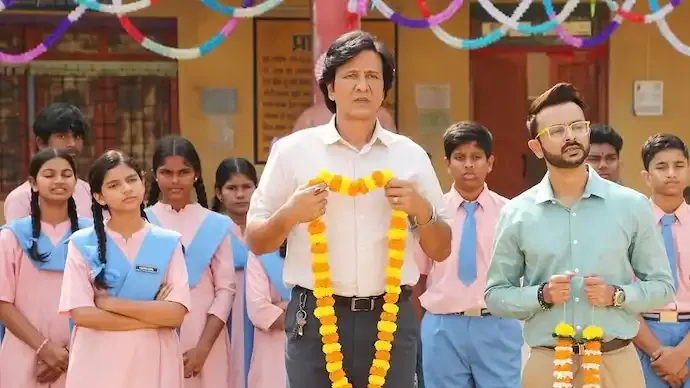
Set in the fictional town of Tinki Toli on the outskirts of Delhi, the series revolves around Adarsh Baal Vidyalaya, a government school where crumbling classrooms, inadequate infrastructure and political interference have become part of everyday life.
The story follows principal Gyaneshwar Tripathi (Kay Kay Menon) and his colleagues as they navigate staff shortages, administrative hurdles and personal struggles while trying to provide meaningful education to their students.
Rather than relying on dramatic twists, the show builds its narrative through everyday moments that quietly reflect the realities of India's public education system.
Performances Shine Throughout
The biggest strength of the series is its ensemble cast.
Kay Kay Menon delivers a restrained yet emotionally powerful performance as Principal Gyaneshwar Tripathi, portraying an educator who continues to believe in his students despite the limitations of the system.
Prasanna Bisht impresses as newly appointed teacher Kanchan, while Naveen Kasturia brings warmth and vulnerability to the role of school counsellor Mukul. Abhimanyu Singh provides several light-hearted moments without reducing his character to comic relief.
Supporting performances from Prachi Shah, Archana Puran Singh and Deven Bhojani further strengthen the narrative.
Writing Balances Humour and Social Commentary
One of the show's greatest achievements is its ability to address serious issues without becoming preachy.
Through simple classroom incidents and everyday conversations, the series explores themes such as:
- Teacher shortages in government schools
- Menstrual health and sex education
- Child marriage and dowry
- Gender bias
- Examination pressure
- Student mental health
- The growing obsession with marks
- Political interference in education
- The importance of compassionate teachers
The writing consistently reminds viewers that education is about nurturing children rather than simply producing examination results.
Several emotional moments resonate deeply, particularly those involving students who struggle academically and teachers who refuse to give up on them.
Where the Series Falls Short
While the writing remains consistently thoughtful, the pacing occasionally slows the narrative.
At seven episodes, the story sometimes lingers longer than necessary on routine interactions, causing certain episodes to lose momentum.
The creators deliberately avoid melodrama, which helps preserve authenticity, but a tighter screenplay could have made the overall experience even more engaging.
Final Verdict
Adarsh Baal Vidyalaya succeeds because it refuses to romanticise government schools while also avoiding cynicism.
Instead, it presents a compassionate portrait of teachers working within an imperfect system and highlights the quiet impact that dedicated educators can have on young lives.
For viewers who appreciated series such as Panchayat, Kota Factory, Aspirants or Gram Chikitsalaya, this drama offers another heartfelt slice-of-life story rooted in everyday India.
It is a timely reminder that while policies and infrastructure matter, the true strength of any classroom lies in the people who teach within it.
Rating: 4/5
Key Highlights
- Adarsh Baal Vidyalaya premiered on Prime Video on July 24.
- Kay Kay Menon leads a strong ensemble cast as a government school principal.
- The series explores the challenges facing India's public education system.
- Themes include examination pressure, teacher shortages, gender issues and student welfare.
- Thoughtful writing and authentic performances are the show's biggest strengths.
- Slow pacing in parts prevents it from reaching its full potential.
Frequently Asked Questions (FAQs)
Where can you watch Adarsh Baal Vidyalaya?
The series is streaming on Prime Video.
Who plays the lead role?
Veteran actor Kay Kay Menon stars as Principal Gyaneshwar Tripathi.
What is the series about?
It follows teachers working in a struggling government school as they navigate educational, administrative and personal challenges while trying to improve students' lives.
Is Adarsh Baal Vidyalaya worth watching?
Yes. The series offers heartfelt performances, meaningful social commentary and an authentic portrayal of India's education system, although its pacing may feel slow at times.
How many episodes does the series have?
The first season consists of seven episodes.
What is the overall rating?
4 out of 5 stars for its performances, writing and socially relevant storytelling.







Conversation
Be kind and stay on topic. Comments are moderated; abuse, spam and personal attacks are removed. Report a problem