

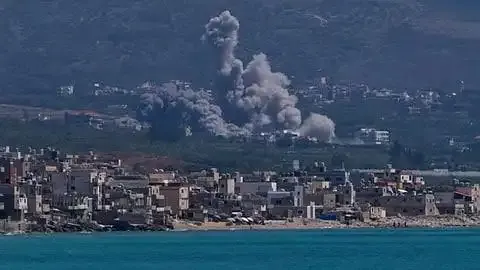

The conflict between the United States and Iran intensified on Monday as both sides carried out fresh military strikes, raising fears of a broader regional war.
The United States launched another wave of airstrikes targeting Iranian military infrastructure, while Iran responded by attacking Bahrain and Kuwait, two key US allies in the Gulf.
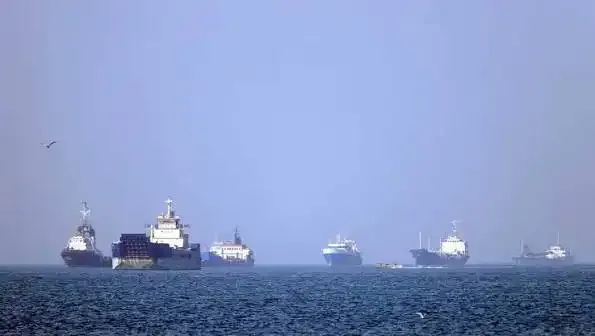
The latest escalation has also disrupted shipping through the Strait of Hormuz, pushing global oil prices higher and increasing concerns over energy security.

US Conducts Fresh Airstrikes
The US military confirmed it carried out its ninth consecutive night of strikes against targets inside Iran.
According to US Central Command (CENTCOM), the operation targeted:
- Military command centres
- Air defence systems
- Coastal surveillance facilities
- Missile launch sites
- Drone launch sites
- Maritime infrastructure
- Communications networks
The strikes came shortly after Washington announced the death of another US service member in Iraq.
The soldier was reportedly killed during the controlled detonation of a downed Iranian drone.
US President Donald Trump said the latest operation was conducted in honour of American personnel killed during the conflict.
Iran Retaliates Against Bahrain and Kuwait
Iran responded by expanding its attacks beyond US military targets.
Authorities in Bahrain activated missile warning sirens after incoming projectiles were detected.
Meanwhile, Kuwait confirmed that its air defence systems intercepted an Iranian missile barrage aimed at the country.
The attacks mark another widening of the conflict, increasing concerns that more Gulf nations could become directly involved.
Shipping Disrupted in the Strait of Hormuz
The Strait of Hormuz, one of the world's most important oil shipping routes, remains heavily affected by the ongoing conflict.
Before the war, roughly 20% of global oil supplies passed through the strategic waterway.
Reports indicate that commercial shipping remains significantly disrupted, while a vessel caught fire near the Omani coast. The cause of the incident has not yet been officially confirmed.
The United States has also increased naval operations in the region, including efforts to restrict Iranian crude oil exports.
Oil Prices Rise Above $90
Growing concerns over global energy supplies pushed Brent crude oil above $90 per barrel on Monday.
The continued disruption of maritime trade through the Gulf has increased fears of:
- Higher fuel prices
- Rising inflation
- Supply chain disruptions
- Increased transportation costs worldwide
Energy markets remain highly sensitive to further developments in the conflict.
Diplomatic Window Still Open
Despite the renewed fighting, Washington says it remains open to negotiations.
US Secretary of State Marco Rubio stated that diplomacy remains possible if meaningful talks can take place.
However, he stressed that the United States would continue responding militarily while attacks against American interests persist.
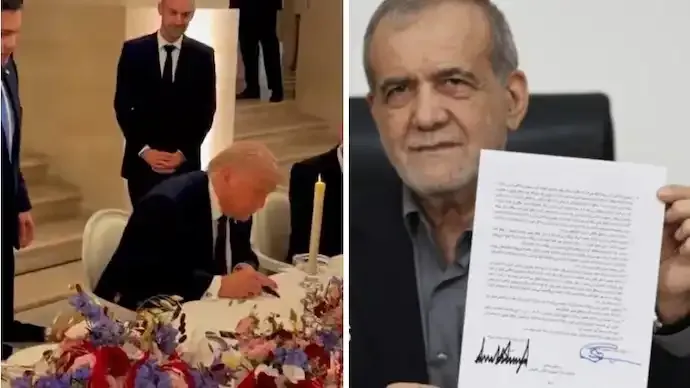
A 60-day interim agreement, intended to create conditions for broader negotiations on the conflict and Iran's nuclear programme, has now passed its halfway point without a breakthrough.
Human and Military Casualties Continue to Rise
Iranian authorities said the latest US strikes resulted in:
- At least 50 deaths
- More than 500 injuries
Since the conflict began on February 28, the United States has reported the deaths of 17 service members.
As military operations continue on multiple fronts, concerns are growing that the conflict could spread further across the Middle East.
Key Highlights
- The United States carried out another round of airstrikes on Iran.
- Iran retaliated with attacks targeting Bahrain and Kuwait.
- US Central Command said military sites, missile bases and communications facilities were targeted.
- The Strait of Hormuz remains heavily disrupted, affecting global oil supplies.
- Brent crude oil rose above $90 per barrel.
- The US says diplomacy remains possible despite continued military operations.
FAQs
Why did the US launch new strikes on Iran?
The United States said the attacks targeted Iranian military infrastructure following continued hostilities and the death of another US service member.
Which countries did Iran target?
Iran launched attacks targeting Bahrain and Kuwait, both key US allies in the Gulf region.
Why is the Strait of Hormuz important?
The Strait of Hormuz is one of the world's busiest oil shipping routes, handling around 20% of global oil trade before the conflict.
How have oil prices reacted?
Brent crude oil climbed above $90 per barrel amid concerns over disruptions to global energy supplies.
Are diplomatic talks still possible?
Yes. US officials have said they remain open to negotiations, although military operations continue as the conflict escalates.







Conversation
Be kind and stay on topic. Comments are moderated; abuse, spam and personal attacks are removed. Report a problem