

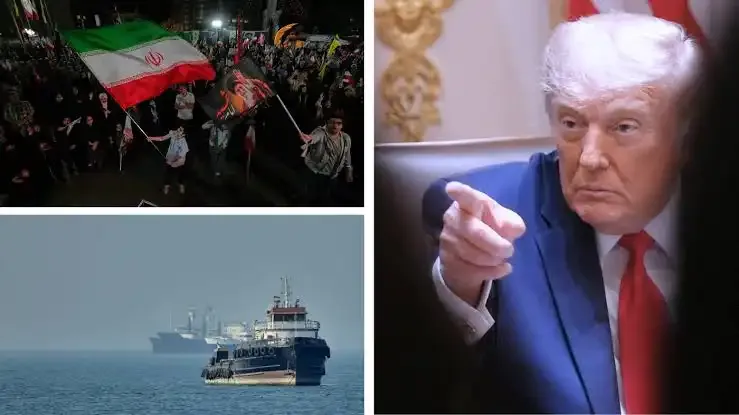

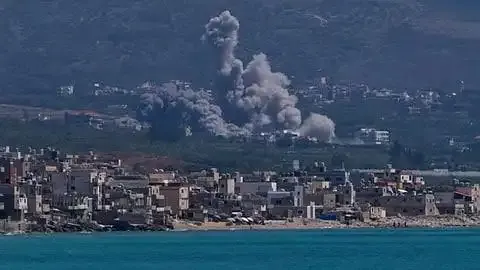
The United States and Iran are once again engaged in daily military exchanges around the Strait of Hormuz, escalating tensions in one of the world's most strategically important waterways.
The renewed confrontation has intensified concerns over global energy security, regional stability, and the future of diplomatic efforts, as both nations continue military operations while publicly leaving the door open for negotiations.
The latest escalation has also renewed worries about disruptions to international oil supplies and the possibility of a broader conflict in the Middle East.

Strait of Hormuz Remains at the Centre of the Crisis
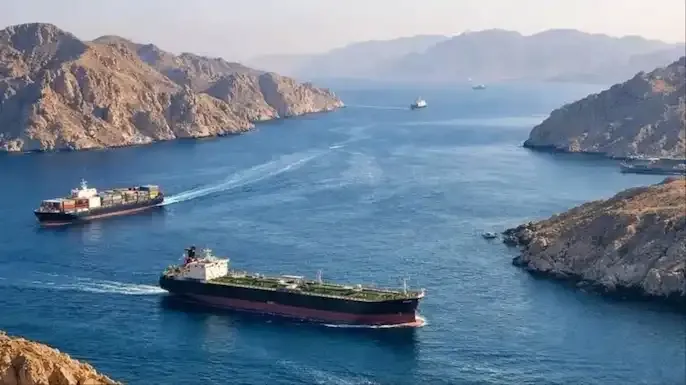
The Strait of Hormuz is one of the world's busiest energy corridors, with roughly one-fifth of global oil shipments passing through the narrow waterway.
According to US officials, Iran has continued operations affecting maritime traffic in the region despite previous efforts to reduce tensions.
Washington has responded with continued military strikes, saying it aims to protect international shipping routes and respond to attacks targeting American interests.
The breakdown of an earlier ceasefire has further increased military activity around the strategic passage.
US Maintains Pressure While Keeping Diplomacy Open
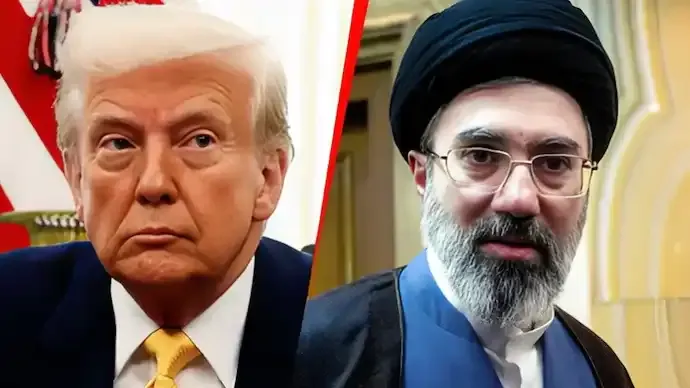
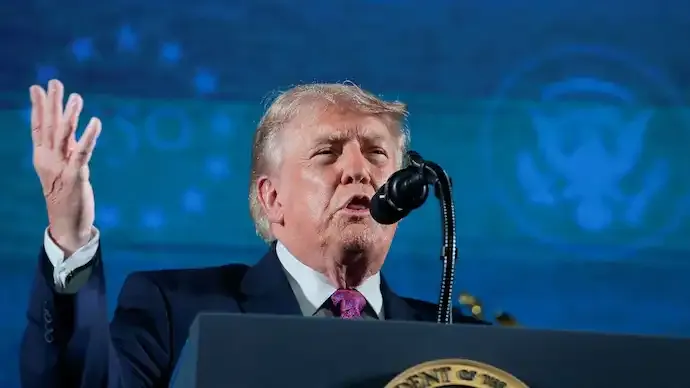
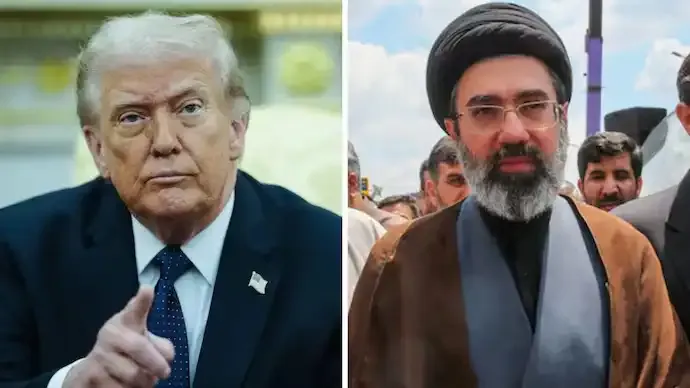
The administration of President Donald Trump has stated that it remains willing to pursue diplomatic engagement with Iran despite the ongoing conflict.
US Secretary of State Marco Rubio said Washington remains open to negotiations if Iran changes its course, while also maintaining that military responses would continue against attacks targeting US forces and commercial shipping.
Officials indicated that military operations and diplomatic efforts are currently proceeding simultaneously.
Experts Warn of Escalation Risks
Foreign policy experts believe the renewed exchanges highlight the limitations of relying primarily on military pressure.
Several analysts argue that repeated airstrikes alone may not compel either side to change its strategic objectives and could instead increase the risk of prolonged confrontation.
Experts also warned that every new exchange reduces trust between the two countries, making future diplomatic negotiations more challenging.
Some analysts believe both governments are attempting to increase pressure in hopes of forcing concessions from the other side, raising the possibility of further escalation.
Airstrikes Alone May Not Resolve the Conflict
Security analysts have questioned whether air power alone can achieve Washington's objectives.
Military experts note that Iran has spent years dispersing and protecting key military assets, making them increasingly difficult to neutralise through aerial operations alone.
They also point out that any broader military campaign involving ground operations would likely face significant political and public resistance.
As a result, many observers believe neither side currently possesses an easy path to achieving its strategic goals.
Oil Markets Closely Watching Developments
The renewed fighting has once again placed global energy markets on alert.
Any prolonged disruption in the Strait of Hormuz could significantly affect international oil supplies and fuel prices, given the waterway's importance to global crude exports.
Analysts warn that continued instability could have economic consequences well beyond the Middle East, particularly if shipping traffic becomes increasingly restricted.
Diplomatic Challenges Continue
Despite ongoing military operations, officials on both sides have indicated that diplomatic channels remain available.
However, analysts caution that years of mistrust and repeated confrontations have made negotiations increasingly difficult.
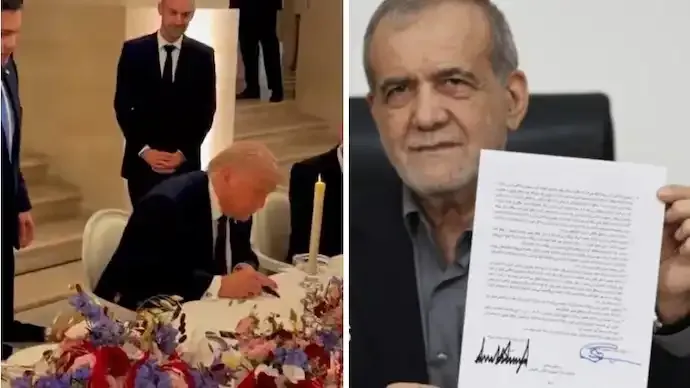
While some recent developments have been viewed as potential confidence-building gestures, experts say meaningful progress will require sustained dialogue and a reduction in military tensions.
Wider Regional Risks
Observers also warn that the conflict could expand beyond the Strait of Hormuz if tensions spread to other strategic maritime routes in the region.
Any disruption to additional shipping corridors would place further pressure on global trade, energy markets, and regional security.
For now, military operations continue while diplomatic efforts remain uncertain, leaving the Middle East facing another period of heightened instability.
Key Highlights
- The United States and Iran continue exchanging military strikes around the Strait of Hormuz.
- The strategic waterway carries nearly one-fifth of the world's oil shipments.
- Washington says it remains open to diplomacy while continuing military operations.
- Experts warn that military escalation alone may not resolve the conflict.
- Analysts fear prolonged instability could disrupt global oil markets.
- Diplomatic efforts continue amid growing regional tensions.
Frequently Asked Questions (FAQs)
Why is the Strait of Hormuz important?
The Strait of Hormuz is one of the world's most critical maritime trade routes, carrying roughly 20% of global oil exports.
Why are the US and Iran exchanging strikes?
The two countries accuse each other of actions threatening regional security and maritime navigation, leading to continued military exchanges.
Is the United States still pursuing diplomacy?
Yes. US officials have stated that diplomatic negotiations remain possible alongside ongoing military operations.
How could the conflict affect global oil prices?
Any disruption to shipping through the Strait of Hormuz could reduce oil supplies, potentially increasing global energy prices.
What are experts saying about the conflict?
Many analysts believe military escalation alone is unlikely to resolve the crisis and warn that continued fighting could make diplomatic solutions more difficult.
Could the conflict spread further?
Experts caution that additional regional escalation could threaten other strategic shipping routes, increasing risks for global trade and energy markets.



Conversation
Be kind and stay on topic. Comments are moderated; abuse, spam and personal attacks are removed. Report a problem