

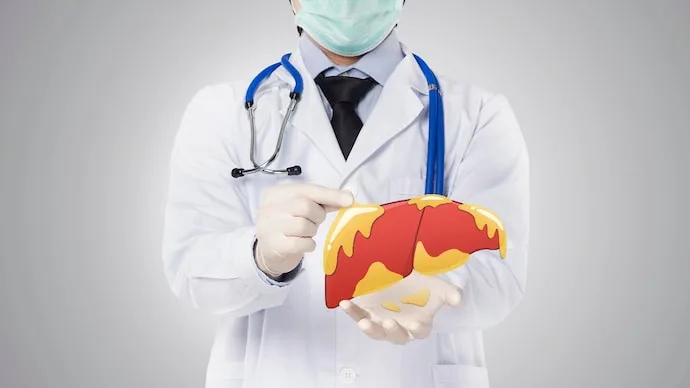

Can fatty liver turn into cancer? Yes, in some cases, but most people with uncomplicated fatty liver will not develop liver cancer. The primary concern is progressive liver damage, particularly when persistent inflammation and fibrosis, or scarring, develop over time.
Fatty liver is often detected during a routine ultrasound, even when a person has no noticeable symptoms. However, the amount of fat visible on a scan does not necessarily indicate how severely the liver is affected.
Dr Sunny Jain, Clinical Director of Medical Onco-Sciences and Head of Medical Oncology at Marengo Asia Hospital, Faridabad, and Dr Vishal Khurana, Principal Director and Head of Gastroenterology and Hepatobiliary Sciences at Metro Hospital, Faridabad, emphasise the importance of identifying liver damage early.

How Does Fatty Liver Progress to Cancer?
Metabolic dysfunction-associated steatotic liver disease (MASLD), previously known as non-alcoholic fatty liver disease, is commonly associated with obesity, type 2 diabetes, insulin resistance and abnormal cholesterol levels.
In some people, the condition progresses to metabolic dysfunction-associated steatohepatitis (MASH), which involves inflammation and liver-cell injury. Persistent damage can lead to fibrosis and, in advanced cases, cirrhosis.
Cirrhosis substantially increases the risk of hepatocellular carcinoma, the most common type of primary liver cancer. However, progression is not inevitable, and many people with simple fatty liver never develop advanced liver disease.
Can Liver Cancer Develop Without Cirrhosis?
Yes. Although cirrhosis is a major risk factor, liver cancer can occasionally develop in people with fatty liver disease without established cirrhosis.
People with long-standing diabetes, obesity and multiple metabolic risk factors may require closer assessment. Nevertheless, having fatty liver does not mean that cancer is inevitable.
Doctors assess the patient's overall metabolic health and evidence of liver scarring rather than relying solely on the amount of fat detected by ultrasound.
Who Is at Greater Risk?
Several factors can increase the likelihood of progressive liver damage and liver cancer:
- Type 2 diabetes: Associated with progressive metabolic liver disease and increased liver cancer risk.
- Obesity and insulin resistance: Can contribute to persistent liver injury.
- Advanced fibrosis or cirrhosis: Significant scarring is an important indicator of elevated risk.
- Excessive alcohol consumption: Can worsen liver damage, particularly alongside metabolic risk factors.
- Chronic hepatitis B or C: These infections are also established risk factors for liver cancer.
These factors do not guarantee that cancer will develop, but they can help doctors identify patients who need closer monitoring.
Why You Should Not Wait for Symptoms
Fatty liver often causes no specific symptoms in its early stages. Even advanced liver disease can remain unnoticed for a considerable time.
Yellowing of the eyes, abdominal swelling, unexplained weight loss, reduced appetite or unusual bleeding should prompt medical evaluation. These symptoms can have several causes and do not automatically indicate cancer.
Normal liver enzyme results also cannot completely rule out significant fibrosis. People with diabetes, obesity or a previous fatty liver diagnosis should discuss appropriate assessment and follow-up with their doctor.
Which Tests Can Detect Liver Damage?
Doctors may recommend different tests depending on medical history, risk factors and initial findings.
- Blood tests: Assess liver enzymes and other indicators of liver health.
- FIB-4 score: Uses age, AST, ALT and platelet count to estimate the likelihood of advanced fibrosis.
- FibroScan: Measures liver stiffness to help assess scarring.
- Ultrasound: Can identify fatty infiltration but cannot reliably determine the degree of fibrosis or exclude early liver cancer.
- CT or MRI: May be required to investigate suspicious liver lesions or other clinical concerns.
Not everyone needs every test. Liver cancer surveillance is generally recommended for eligible patients with cirrhosis, often every six months. People with fatty liver without cirrhosis need individualised medical assessment rather than automatic cancer screening.
Can Fatty Liver Be Reversed?
In many people, early-stage fatty liver can improve with sustained lifestyle changes and better management of associated conditions.
Doctors commonly recommend:
- Maintaining a healthy weight and pursuing gradual weight loss when appropriate.
- Exercising regularly.
- Reducing sugary drinks and following a balanced diet.
- Managing diabetes, cholesterol and other metabolic conditions.
- Discussing alcohol consumption with a healthcare professional, particularly when liver damage is present.
Losing around 5–10% of body weight can improve liver health in people who are overweight, although the benefits vary by individual. Unproven liver detox products and crash diets are not substitutes for medical care.
People with advanced fibrosis or cirrhosis may still need specialist monitoring even if liver fat improves.
Fatty liver is not a diagnosis of cancer. The most important step is to determine whether liver scarring is present and address the factors that could cause further damage. Early assessment, appropriate lifestyle changes and medical follow-up can help many people improve their liver health and reduce the risk of disease progression.








Conversation
Be kind and stay on topic. Comments are moderated; abuse, spam and personal attacks are removed. Report a problem