

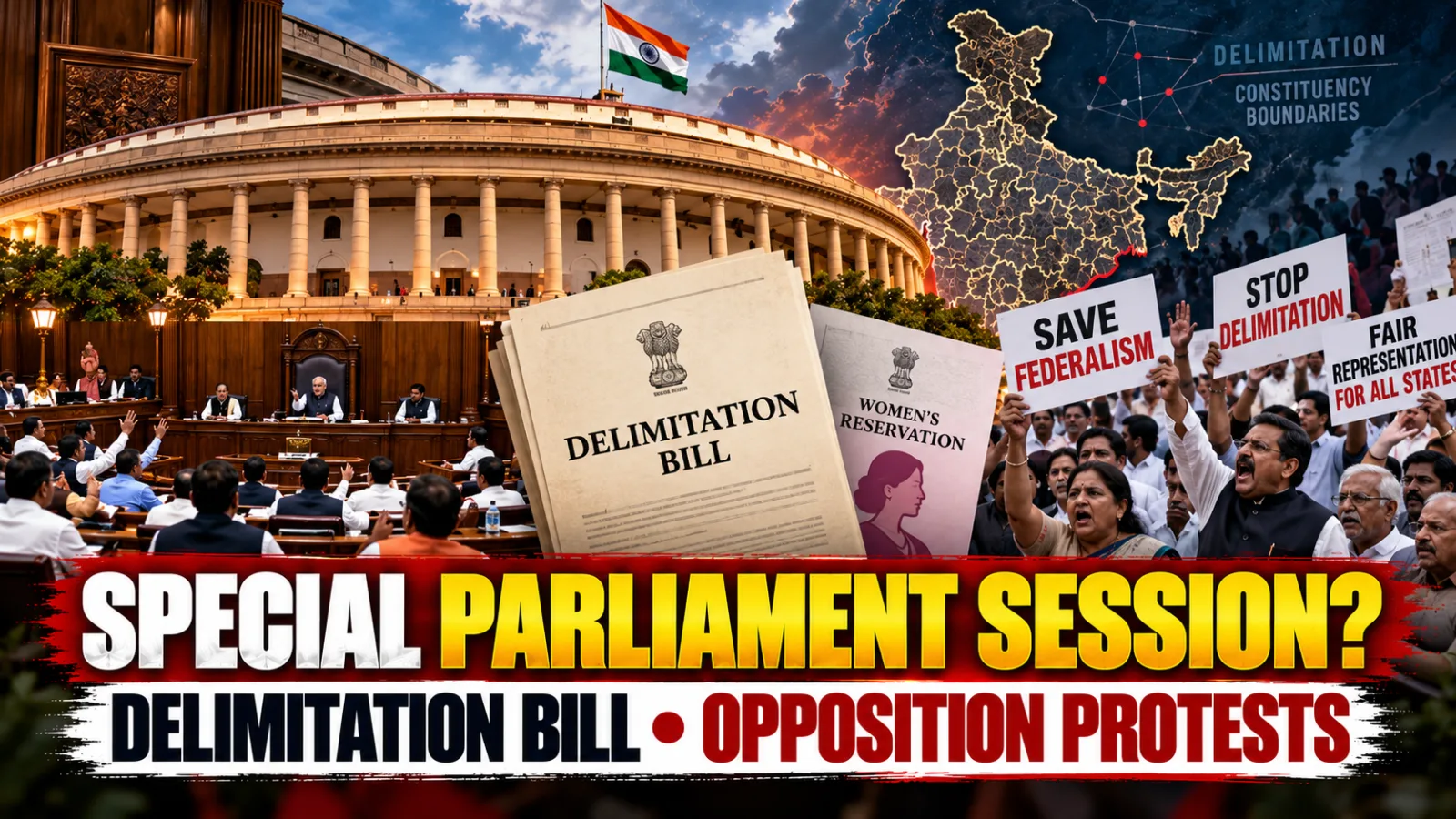

The possibility of a Parliament special session to consider constitutional amendment bills linked to delimitation and women's reservation has triggered a political confrontation between the government and the Opposition.
According to information from political sources, the government is seeking consensus across party lines before moving forward, including reaching out to regional parties. The proposed legislative discussions are expected to focus on delimitation and measures connected to women's reservation.
However, Opposition leaders have called for broader consultation before any special session is convened, arguing that constitutional changes require adequate parliamentary discussion.

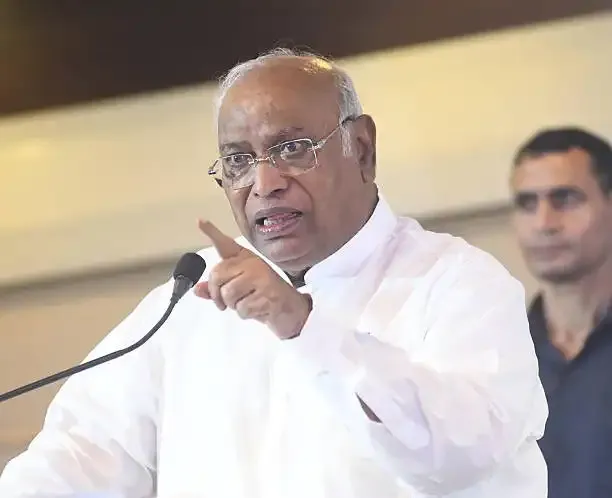
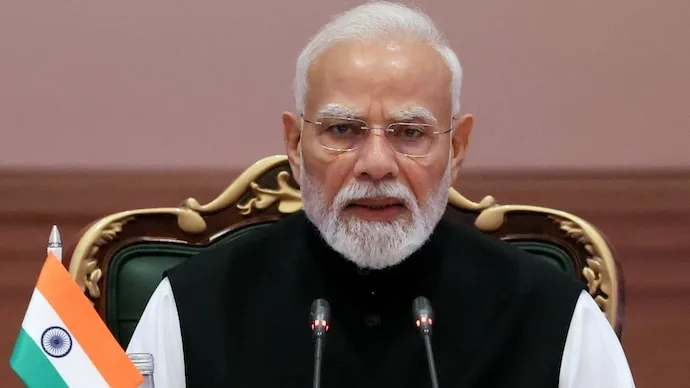
Mallikarjun Kharge Writes to PM Modi
Congress president and Leader of the Opposition in the Rajya Sabha, Mallikarjun Kharge, has written to Prime Minister Narendra Modi seeking an all-party meeting.
Kharge has demanded that political parties be given sufficient time to examine the proposed constitutional amendments and share their views before Parliament takes up the bills.
His intervention reflects the Opposition's demand for a consultative process involving parties across the political spectrum, including regional parties that could be affected by decisions concerning delimitation.
The request also places the focus on the procedure through which the government intends to build political agreement on the proposed legislative changes.
Opposition Raises Concerns Over Parliamentary Deliberations
Opposition leaders have warned against passing important constitutional amendments without meaningful parliamentary deliberations. They argue that legislation of this significance should be discussed thoroughly and should allow political parties adequate opportunities to examine its implications.
Delimitation concerns the process of redrawing electoral constituency boundaries, while women's reservation relates to increasing women's representation in legislative bodies. Changes involving these subjects can have significant implications for electoral representation and political arrangements.
The debate therefore extends beyond the timing of a possible special session to questions about consultation, transparency and parliamentary scrutiny.
What Happens Next?
The government's reported efforts to reach out to regional parties suggest that building consensus remains an important part of the political process. Kharge's demand for an all-party meeting adds pressure for discussions before the proposed bills are taken up.
The timing of any special session and the final legislative agenda remain subject to official decisions. The next developments will indicate whether the government and Opposition can agree on a consultation process before Parliament considers the proposed amendments.
For official parliamentary updates, visit the Parliament of India.





Conversation
Be kind and stay on topic. Comments are moderated; abuse, spam and personal attacks are removed. Report a problem